
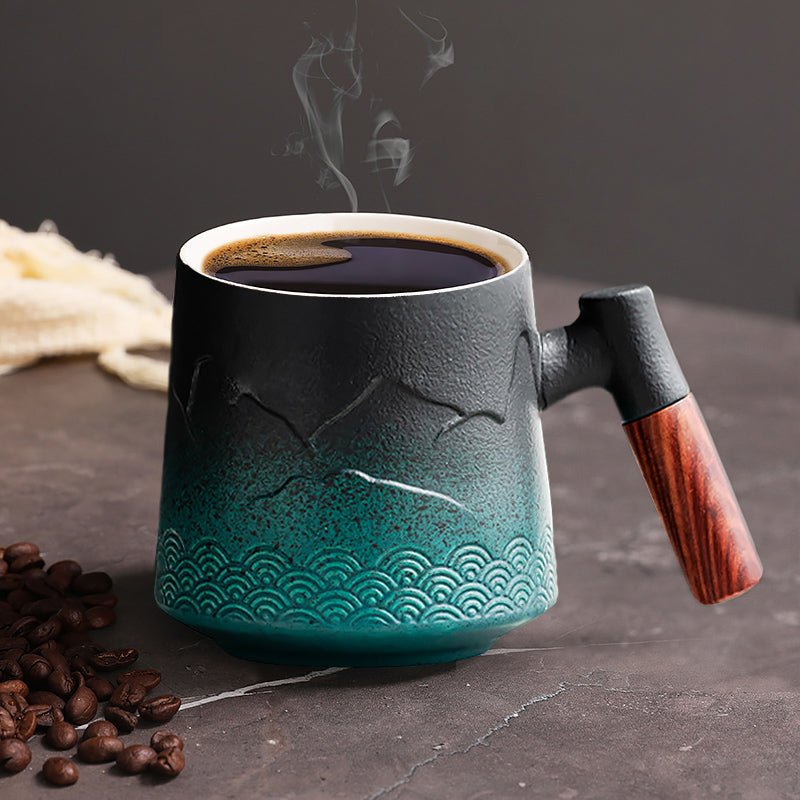
Daniel Handle Tea Cups: What Buyers Should Check Before Ordering
Reading time: about 10 minutes
A tea cup that looks good online can feel awkward the moment you lift it with one hand and a hot mug of tea in the other. That usually shows up at the handle first. With daniel handle tea cups, the real question is not just style — it is whether the handle shape, cup weight, and rim size work in daily use on a kitchen counter, office desk, or gift shelf.
We handle a lot of drinkware in our store, and the cups that earn repeat buyers are the ones that feel stable, clean to drink from, and easy to wash. If you are comparing daniel handle tea cups, this guide will help you sort out the practical details before you buy. If you want to see our broader selection while you read, you can browse our product selection or compare current styles in our full collection.
What makes a daniel handle tea cup different from a regular tea cup?
The handle is the whole story. A daniel handle tea cup is typically chosen for how the handle is shaped and positioned relative to the cup body, which affects grip, balance, and how hot the cup feels in your hand. In practice, that means we pay attention to three things: the opening of the handle, the space between handle and cup wall, and where the cup’s center of gravity sits when filled.
A handle that is too narrow can pinch larger fingers or make the cup feel less stable. A handle that sits too close to the wall can warm up faster than expected, especially with thin ceramic. A handle that is large enough but not overbuilt usually wins for everyday use. That is the kind of difference shoppers notice after a week of use, not on a product photo.
For readers comparing tea-cup styles more broadly, our Tea Mug Buying Guide: Best Materials, Sizes, and Everyday Use is a useful companion read. It covers the material side in more depth, while this guide focuses on handle comfort and purchase trade-offs.
Which material works best for everyday tea drinking?
Most daniel handle tea cups you will see fall into a few common material groups: ceramic, porcelain, stoneware, and occasionally double-wall glass. Each one changes the way the cup feels, how much heat it holds, and how forgiving it is in daily use.
| Material | What it feels like | Best for | Trade-off |
|---|---|---|---|
| Ceramic | Solid, familiar, usually moderate weight | Everyday tea at home or the office | Can chip if knocked against sink edges |
| Porcelain | Finer, often lighter, smoother rim | Formal settings and gift purchases | Can feel delicate and may show wear sooner |
| Stoneware | Heavier, sturdy, grounded in the hand | Longer tea sessions and frequent use | Heavier on smaller hands; slower to cool |
| Glass | Light visual feel, easy to watch color change | Loose-leaf tea and presentation | Less insulating unless double-wall |
In our experience, stoneware is the easiest match for buyers who want a cup that feels substantial and hides small day-to-day marks well. Porcelain is the cleaner, more refined pick, but it is not the best option if you tend to stack cups tightly in a cabinet. Glass is useful for tea lovers who care about presentation, but it is not our first recommendation if you want warmth retention and a no-fuss cupboard life.
If you are deciding between tea cup styles and larger mug formats, our Tea Mugs: How to Choose the Right Size, Material, and Style article gives a good side-by-side view of where a handled tea cup makes more sense than a mug.
What size should you buy if you actually drink tea every day?
Size matters more than people expect. A cup that looks elegant can feel tiny with a full tea bag, while an oversized cup can cool too quickly or feel awkward for smaller hands. We usually think about size in terms of the tea-drinking habit, not just the listed ounces.
- Smaller cups are good for strong black tea, espresso-style tea service, or short breaks at a desk.
- Mid-size cups are the safest everyday choice for most buyers. They balance comfort, heat retention, and easy handling.
- Large cups work for long reading sessions or people who want one refill fewer, but they are not ideal if you like tea piping hot from the first sip to the last.
There is also a practical cabinet issue. Bigger cups take more shelf space, and wider handles can clash when stacked or packed tightly. If you are leaning toward a larger format, our Big Coffee Cups: What to Check Before You Buy a Large Mug piece applies well here too, because the same real-world checks matter: weight, balance, and storage fit.
One thing we tell customers plainly: a bigger cup is not always better for tea. If you like delicate green tea or lighter herbal blends, a very large vessel can make the drink feel more spread out and less controlled. For many shoppers, a modest handled cup is the better daily buy.
What handle shape feels comfortable in real use?
Handle comfort is hard to judge from a product photo, so we look at how the cup behaves in a normal grip. A good handle should leave enough clearance for at least two fingers without forcing them against the cup wall. It should also let the cup hang naturally without tipping forward the moment you lift it.
These are the common handle shapes we see buyers respond to:
- Rounded loop handles - comfortable for most hands and usually the easiest to clean.
- Straighter, more upright handles - can look modern, but may feel tighter for larger fingers.
- Thicker handles - more secure when the cup is full, though they can feel bulky on smaller cups.
A handle is not a good match if you need an exaggerated grip for travel or if you plan to hold the cup while walking. That is where a travel lid or a dedicated travel mug makes more sense. We cover those buyer checks in our Travel Coffee Mug with Handle: What Buyers Should Check Before Buying article, which is worth reading if your tea leaves the kitchen and goes straight into the car.
Our team has seen the same pattern over and over: shoppers love the look of a slim handle online, then realize they prefer a slightly roomier loop after one week of use. Comfort beats style when the cup is hot and full.
What should you inspect before buying online?
Photos are only part of the story. For daniel handle tea cups, we recommend checking the details that affect durability and comfort after delivery.
- Rim thickness: A thinner rim can feel refined, but it may be less forgiving if you prefer a sturdier sip.
- Handle-to-body join: Look for smooth attachment points without visible gaps or rough seams.
- Interior finish: A smooth glazed interior is easier to rinse and less likely to hold tea stains.
- Base stability: A flat, balanced foot helps the cup sit securely on glass tables and office desks.
- Care instructions: Dishwasher-safe pieces are easier for everyday use, but hand-wash-only cups may have more delicate decoration or a more fragile finish.
We also recommend checking the underside if the seller shows it. A clean, evenly finished base is a good sign. Rough feet can scratch counters or feel unfinished in the hand. None of this is glamorous, but it is what separates a pleasant cup from a frustrating one.
Are daniel handle tea cups good for gifts, offices, or daily home use?
They can be good for all three, but not for the same reasons. For gifting, a handled tea cup works best when the shape is balanced and the finish is clean. For office use, you want stability, a comfortable grip, and a material that tolerates repeated washing. At home, the question usually becomes whether the cup fits the rest of your routine and your cabinet space.
For gift buyers, subtle details matter. A cup with a comfortable handle and a simple glaze is usually safer than an unusually sculpted piece that looks impressive but feels awkward. For desk use, our customers often want something that does not feel like a coffee mug pretending to be a teacup. A proper tea cup should feel easy to cradle, not bulky.
For everyday home use, the best choice is often the one that survives routine life: sink edges, dishwasher cycles, and hurried mornings. That is why our store tends to favor shapes that are easy to wash and simple to stack. Fancy is fine. Fussy is not.
What are the downsides buyers should think about?
Not every daniel handle tea cup is the right choice for every tea drinker. Here is where these cups can fall short:
- Small capacity: If you want a large morning drink, a tea cup may feel too restrained.
- Heat transfer: Thin ceramic or porcelain can get warm quickly if the handle is small or close to the cup wall.
- Fragility: Decorative finishes, gold trim, or delicate glaze effects may require hand washing.
- Storage fit: Some handles make stacked storage awkward, especially in tighter kitchen cabinets.
That does not make them bad. It just means the cup should match the way you actually drink tea. If you prefer long sipping sessions without refills, a larger mug may be the better purchase. If you care most about presentation and a more refined tea-service feel, the handled tea cup is usually the better fit.
How do daniel handle tea cups compare with other tea cup styles?
Compared with handleless cups, daniel handle tea cups are easier to lift with hot liquids and better for people who dislike wrapping both hands around a warm vessel. Compared with oversized mugs, they usually feel lighter and more tea-specific. Compared with travel cups, they are less about insulation and portability and more about table use, comfort, and presentation.
The trade-off is straightforward: you gain a more traditional drinking experience, but you give up some capacity and portability. We find that many shoppers buy one handled tea cup for their favorite tea and keep a larger mug for busy mornings. That is a practical split, not a compromise.
Frequently asked questions
Are daniel handle tea cups dishwasher safe?
Some are, but not all. We always recommend checking the finish and decoration first, because metallic trim, hand-painted details, and delicate glaze effects are more likely to need hand washing. If you want low-maintenance daily use, choose a plain glazed ceramic or stoneware cup with clear care instructions.
What size is best for everyday tea use?
A mid-size cup is usually the most useful choice for daily tea. It gives you enough room for a standard pour without feeling oversized on a desk or in a cabinet. Very large cups are better for long sessions, but they are not the best match if you want tea to stay hot and focused.
Do handled tea cups work for both tea and coffee?
Yes, many do. The main difference is feel: tea drinkers often prefer a lighter, more refined cup, while coffee drinkers may lean toward a heavier mug. If you want one vessel for both, choose a balanced ceramic or stoneware cup with a comfortable loop handle and a stable base.
What should I avoid if I want a cup that lasts?
Avoid very thin handles, rough base edges, and cups with visible glaze pooling where the handle meets the body. Those are the spots that tend to show wear first. We also suggest skipping decorative cups if you know they will go through frequent dishwasher cycles.
Is a daniel handle tea cup a good gift?
Yes, if the design is simple, the handle is comfortable, and the finish looks clean in person. It is a stronger gift choice for tea drinkers than for people who mostly use travel mugs or oversized coffee cups. If you are unsure, a mid-size ceramic cup is the safest all-around pick.
If you are ready to compare options, use this quick checklist before buying: material, handle comfort, size, care instructions, and storage fit. Then browse our current product selection or compare styles across our full collection to find the cup that matches your routine.
Read more
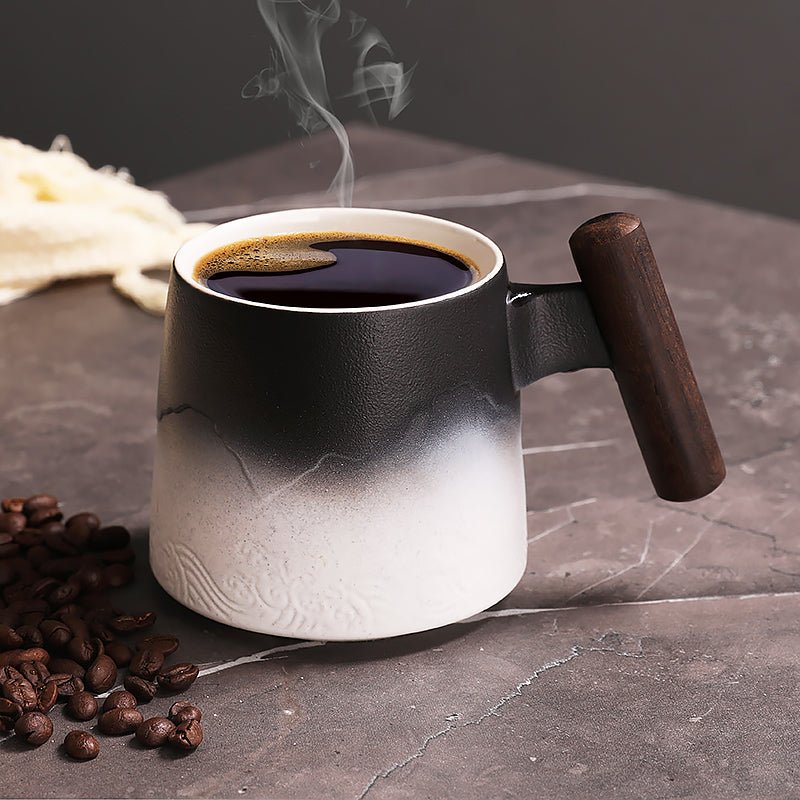
Amazon Coffee Mugs: How to Compare Materials, Sizes, and Everyday Use
A practical buyer’s guide to amazon coffee mugs, with the trade-offs that matter on a kitchen counter, office desk, or gift table. Compare materials, sizes, and features before you buy.
Read more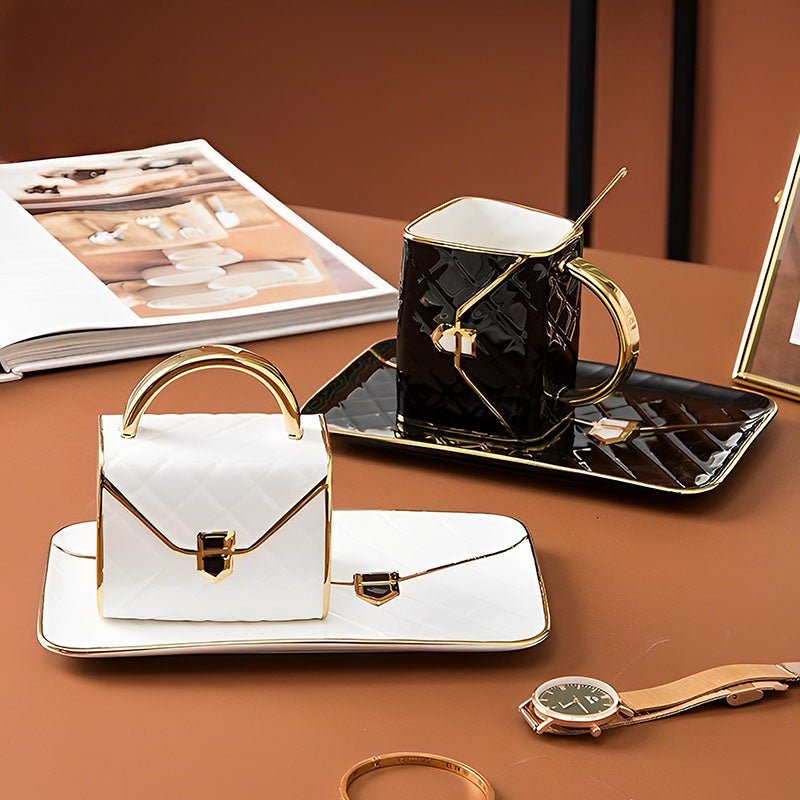
Father’s Day Coffee Mug Gift Guide for Outdoor Dads
A practical Father’s Day coffee mug guide for dads who camp, fish, hike, or spend mornings on the porch. We break down the materials, sizes, and styles that actually hold up outdoors, plus where ea...
Read more
Los kommentaar
This site is protected by hCaptcha and the hCaptcha Privacy Policy and Terms of Service apply.