
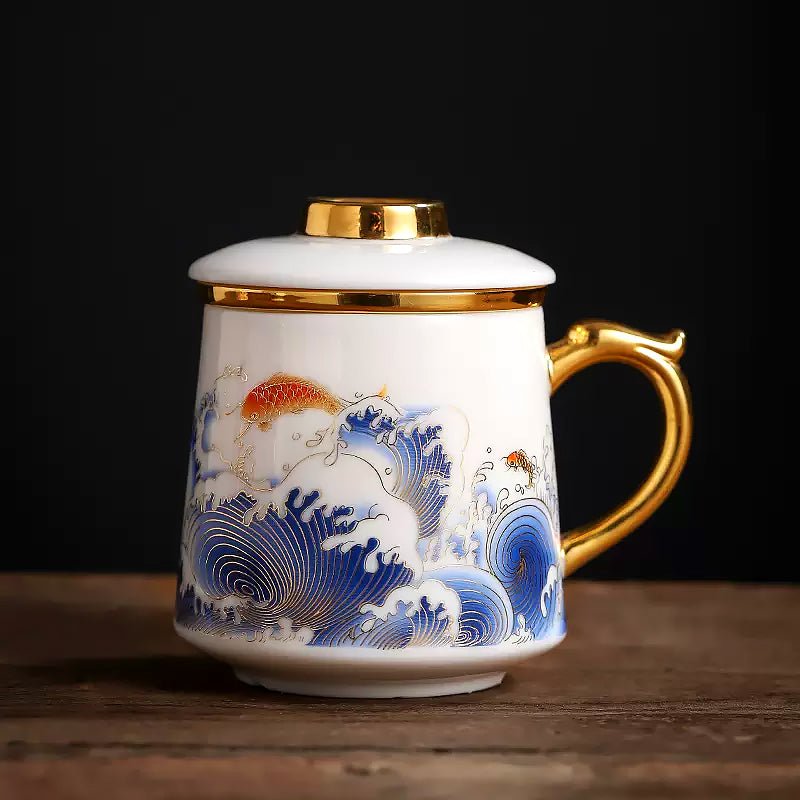
Cute Coffee Mug for Microwave: What to Buy Before You Click
Reading time: about 10 minutes
A mug can look adorable on a shelf and still be a headache at 7 a.m. if it runs too hot to grab, has a thin glaze that stains, or comes out of the microwave with a hot handle and a lukewarm drink. We see that trade-off a lot in our store: shoppers want something cute, but they also want a mug they can actually use every day.
If you’re shopping for a cute coffee mug for microwave, the real question is not just “is it pretty?” It is also “will it hold up in a kitchen, office break room, or gift box after a few wash cycles?” That is the standard we use when we look at mugs for our own assortment, and it is the same lens we use for buyers comparing options on our product lineup or browsing the broader collection.
For a deeper comparison on durability and everyday use, our related guides on what to buy and what to avoid and how to choose a mug that actually holds up go into the failure points we watch for most closely.
What makes a cute mug actually work in a microwave?
A microwave-friendly cute mug needs more than a charming print. The mug body should be made from a material that tolerates microwave heat without cracking, and the decoration should be applied in a way that does not peel, bubble, or discolor after repeated use. In practice, that usually means a well-fired ceramic mug with a stable glaze and no metallic accents.
Here is what we check in our hands, not just on a product page:
- Material: ceramic is the most common choice for a cute everyday mug because it heats evenly and feels substantial. Porcelain can feel lighter and more refined, while stoneware tends to feel heavier and sturdier.
- Rim and handle comfort: a cute mug that is awkward to sip from or hard to hold will stop getting used. We look at handle space for two fingers, not just the outside shape.
- Decoration placement: a wraparound print, decal, or raised detail can affect cleanup if it creates rough spots that trap residue.
- Glaze finish: a smooth, sealed glaze is easier to wash and less likely to pick up coffee stains around the lip or inside base.
One practical note: a mug can be microwave-safe and still not be ideal for long reheats. Thin walls may get very hot fast, and oversized mugs can make the drink heat unevenly. That is why shape matters as much as the cute design.
Which materials are best if you want cute and microwave-safe?
We usually narrow this category to a few common materials, and each one has trade-offs. If you want a mug that looks sweet on a desk and can also handle a morning reheat, the material is the first thing to check.
| Material | What it does well | Where it falls short |
|---|---|---|
| Ceramic | Good all-around heat performance, classic mug feel, easy to decorate in cute styles | Can chip if knocked against a sink or countertop |
| Porcelain | Clean look, lighter feel, often great for gift-worthy designs | Can feel more delicate than stoneware if used roughly |
| Stoneware | Heavier, durable-feeling, good for everyday kitchen use | Can be thicker and slightly bulkier in smaller hands |
| Glass | Lets you see the drink, modern look | Not always the best fit for the cutest printed styles, and rims can feel less cozy |
For most shoppers, ceramic is the safest middle ground. It gives you the cute look without forcing you into a delicate decorative piece that belongs on a shelf instead of in a microwave. That said, if you want a lightweight mug for office use, porcelain may feel better in the hand. If you tend to bang mugs around in a busy kitchen, stoneware is often the better pick.
One thing we do not recommend: mugs with metallic paint, gold trim, or decorative foils. They can create microwave problems fast, and they are not worth the risk if your goal is daily use.
What size should you choose for coffee, tea, or cocoa?
The right size depends on how you drink. A cute mug that is too small will feel like a sample cup. One that is too large may look fun but becomes awkward to heat, hold, and finish before the drink cools.
For buyers comparing sizes, our posts on 8 oz coffee mugs and 20 oz coffee mugs are useful if you already know you lean small or large.
Here is the practical breakdown we give shoppers:
- 8 to 10 oz: best for espresso drinks, small drip coffee servings, tea, and people who like a short drink that stays manageable in the microwave.
- 11 to 14 oz: the sweet spot for most home coffee drinkers. It usually gives enough room for coffee plus milk without feeling oversized.
- 15 to 20 oz: better for big mugs, hot chocolate, or desk use where you want fewer refills. Just expect a larger footprint on a kitchen shelf and a little more microwave time.
We generally suggest not choosing a giant mug just because the print looks cute. Bigger mugs can be harder to store, and if the walls are thick, the outside may stay cool while the drink needs more heating time. That is fine if you know you want a large-capacity mug. It is not ideal if you want a quick two-minute coffee break.
What details tell you a mug will survive daily use?
This is where the pretty photo on a listing can hide problems. In our experience, the mugs that disappoint buyers usually fail in one of a few predictable ways: the handle feels cramped, the glaze stains around the bottom, the print fades after dishwasher cycles, or the mug develops tiny chips along the rim.
Before buying, look for these details:
- Thick enough rim: a slightly rounded rim feels better on the lips and is less likely to chip than a razor-thin edge.
- Stable base: a flat, balanced base matters on a desk, especially if the mug is tall or top-heavy.
- Food-safe glaze: the finish should be smooth inside and around the lip, with no rough specks where coffee residue can collect.
- Microwave-safe labeling: look for explicit language from the seller rather than guessing from the product photo.
- Dishwasher guidance: if you plan to use it daily, check whether the design is recommended for top-rack washing or hand wash only.
We also pay attention to the print placement. A centered graphic may wear better than a design that wraps over high-contact areas on the handle or lip. That does not mean wraparound art is bad. It just means the design should be applied cleanly and sealed well.
Our rule in the store is simple: cute should not mean fragile. If a mug can survive a microwave reheating, a sink full of dishes, and a few clumsy desk moments, it is the kind of mug people keep using.
How do you care for a cute microwave mug so it stays nice?
A good mug should not require special treatment, but a little care goes a long way. We have seen plenty of attractive mugs lose their appeal because they were scrubbed too aggressively, stacked carelessly, or microwaved with coffee splatter baked into the glaze.
Use this simple care routine:
- Rinse soon after use: dried coffee and tea stains are harder to remove later, especially inside light-colored mugs.
- Use a soft sponge: abrasive pads can dull a glossy finish and wear down printed designs over time.
- Avoid sudden temperature shock: do not move a very hot mug straight into cold water. That kind of rapid change is rough on ceramic and porcelain.
- Check the base after microwaving: if the bottom stays unusually hot or starts to feel rough, stop using it and inspect for cracks.
- Store with space between mugs: stacking too tightly can chip rims and handles, especially with decorative mugs.
If a mug is labeled hand wash only, believe that instruction. Decorative decals, metallic details, and some specialty glazes do not love repeated dishwasher cycles. That limitation is not a flaw in every mug. It is just a reminder that the cutest design is not always the easiest one to maintain.
What should you avoid if you need a mug for the microwave?
We would rather tell you what not to buy than let you guess. The most common mistakes are easy to avoid once you know what to look for.
- Metal accents: avoid any silver, gold, or foil trim.
- Unknown materials: if the listing does not clearly say ceramic, porcelain, stoneware, or glass, keep looking.
- Extremely thin walls: they can heat too quickly and feel uncomfortable to hold.
- Highly textured interiors: cute raised dots or heavy embossing can make cleaning harder.
- No care instructions: a product listing without cleaning or microwave guidance is a weak sign.
We also caution against buying a mug only because it is “cute” in a gift photo. A good gift mug should still be something the recipient can use on a normal Tuesday morning. If it is too awkward for coffee, too large for tea, or too delicate for routine use, it will end up as decor instead of a cup.
If you are shopping for a playful style rather than just a cute one, our guide on how to choose a mug you’ll actually use is a useful companion read.
Is a cute microwave mug a good gift?
Yes, as long as the design matches the person and the mug is practical enough to use. Cute mugs are especially good for birthdays, thank-you gifts, office swaps, and small holiday presents because they feel personal without requiring you to know someone’s whole kitchen setup.
That said, a gift mug should meet a few basic standards:
- It should be easy to hold with one hand.
- It should have a size that fits the recipient’s drink habits.
- It should not require special cleaning unless the design is truly worth it.
- It should be microwave-safe if you know the person reheats coffee or tea often.
We have also learned that some buyers want a mug that feels cute but not childish. That is a real distinction. A softer color palette, a simple illustration, or a clean shape usually lands better for adult desks and home offices than an overly busy design.
Frequently asked questions
How can I tell if a cute coffee mug is microwave safe?
Check for clear microwave-safe labeling in the product details and inspect the mug for metal trim, foil, or decorative accents that should not go in a microwave. A ceramic, porcelain, or stoneware mug with a smooth glaze is usually the safest place to start, but the seller’s care instructions matter most.
What size cute mug is best for everyday coffee?
For most people, 11 to 14 oz is the most practical everyday size. It gives enough room for coffee and milk without feeling bulky on a desk or taking forever to heat through. If you only drink small servings, 8 to 10 oz may fit better.
Can I put a printed cute mug in the dishwasher?
Sometimes, but not always. Printed mugs with strong decals or specialty finishes may be hand wash only, especially if you want the design to stay crisp. If the listing says dishwasher safe, we still suggest using a gentle cycle and avoiding rough scrubbing.
Why does my mug get hot in the microwave even if the coffee is fine?
The mug material absorbs heat too, especially if the walls are thin or the mug has been microwaved for a longer cycle. A mug that gets very hot to the touch is not ideal for repeated use because it becomes uncomfortable and can hint at uneven heating.
What is the best material for a cute mug I will use every day?
Ceramic is usually the best all-around choice because it balances appearance, feel, and microwave use. Stoneware is a good option if you want something heavier and tougher-feeling, while porcelain works well if you prefer a lighter cup with a cleaner look.
If you are ready to compare styles side by side, start with our full collection and look for the details that matter most: material, capacity, microwave guidance, and care instructions. If you want a faster shortcut, browse our product selection and compare the mugs that look cute on the page but still make sense in a real kitchen.
More from our blog
Read more
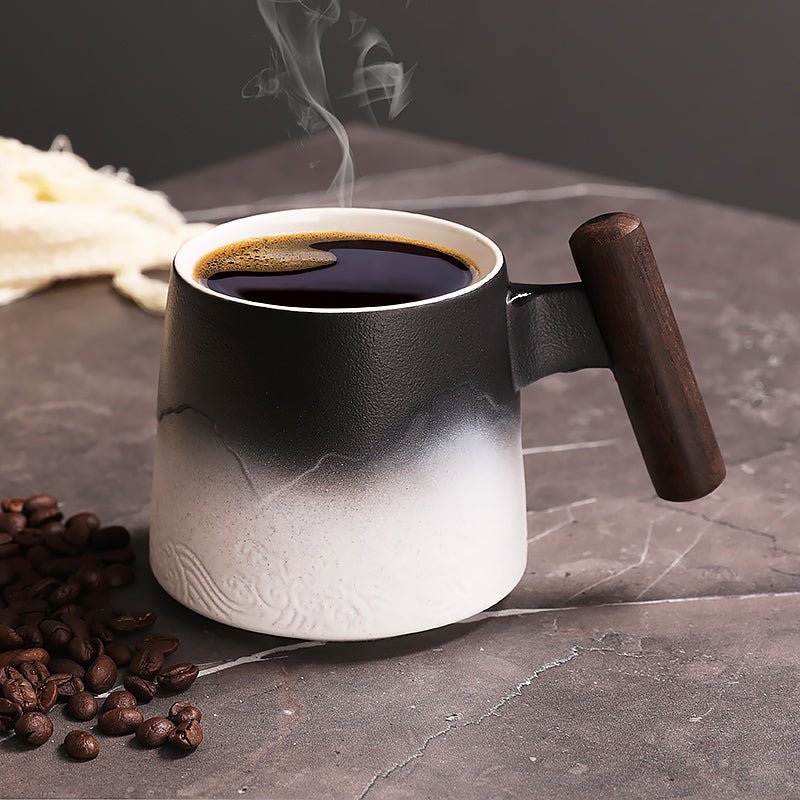
Ello Coffee Mug Buying Guide: What to Check Before You Buy
A practical guide to choosing an ello coffee mug based on size, lid design, heat retention, and daily use. We break down what matters at the desk, in the car, and at home so you can pick the right ...
Read more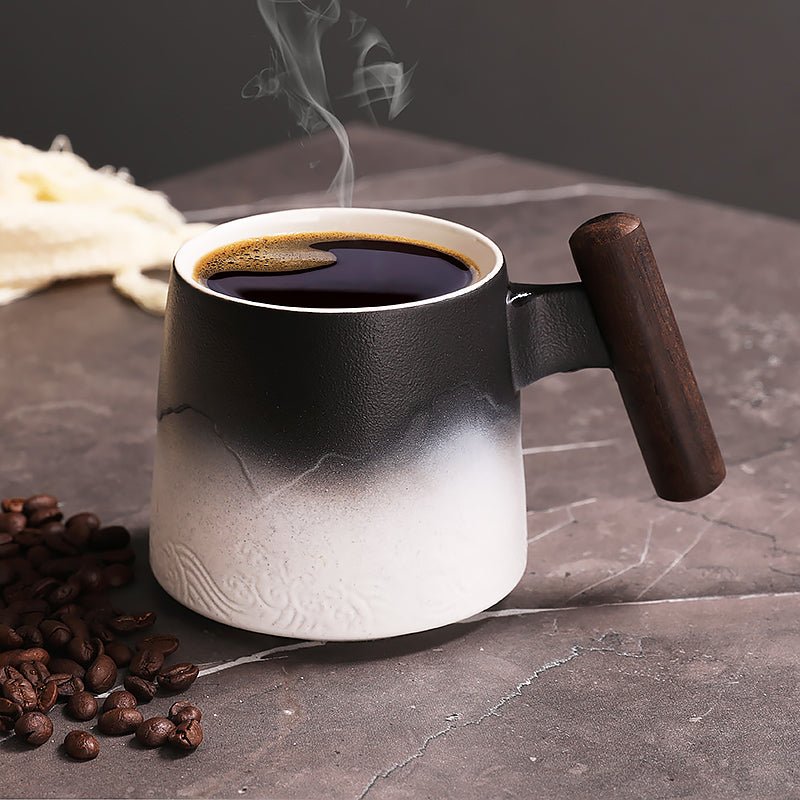
Harley Davidson Coffee Mug: What to Check Before You Buy
A practical guide to choosing a Harley Davidson coffee mug for daily use or gifting. We cover size, material, care, and the trade-offs that matter before you buy.
Read more
Los kommentaar
This site is protected by hCaptcha and the hCaptcha Privacy Policy and Terms of Service apply.