
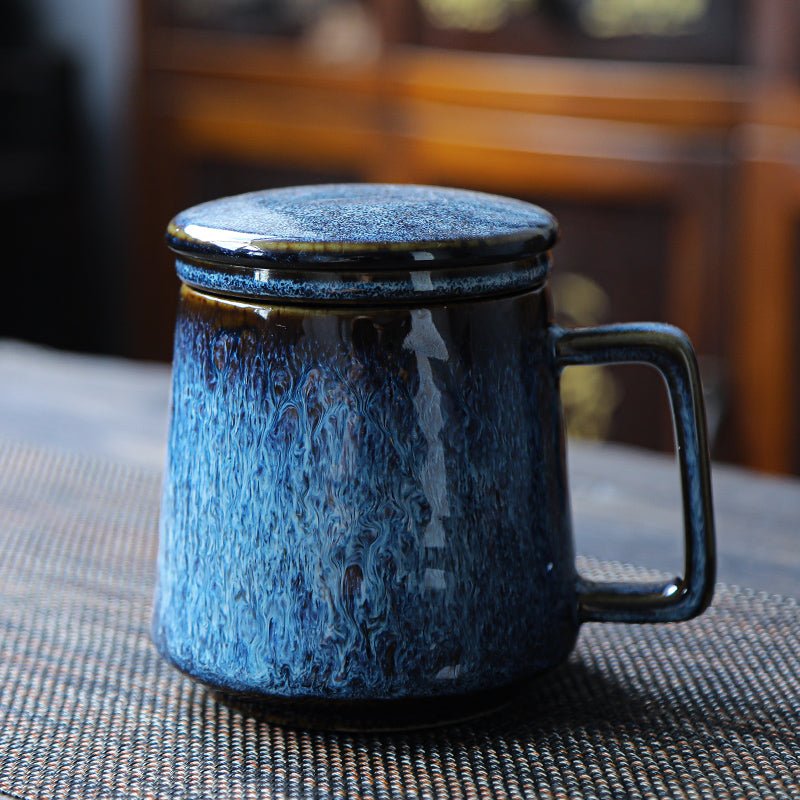
Customizable Coffee Mug Buying Guide: Size, Print, and Care
Reading time: about 9 minutes
A mug gets judged fast on a real desk. It has to look clean out of the box, sit comfortably in the hand, survive a rinse after the first latte, and still make sense as a gift if the name is printed on one side and the handle is on the other. That is the test we keep in mind when we help shoppers compare a customizable coffee mug.
We see the same mistake often: people choose the artwork first and the mug second. That works only if the base mug, size, finish, and care instructions all match the way the mug will actually be used. A good custom mug should feel practical before it feels personal.
What should you check before ordering a customizable coffee mug?
Start with the basics. A customizable coffee mug should fit the drink, the machine, and the person using it. If any one of those is off, the mug may still look nice, but it will not stay in rotation.
Check these points before you buy:
- Capacity: 11 oz is a common standard, but larger pours often feel better in 15 oz or 16 oz mugs.
- Handle clearance: A handle that only fits two fingers in theory can still feel cramped once the mug is full and hot.
- Print area: Long names, dates, logos, and wraparound artwork need enough flat-looking space to read well on a curved surface.
- Finish: Glossy white ceramic usually gives the cleanest, sharpest presentation for photos and color graphics.
- Care: Dishwasher-safe is not the same as low-maintenance forever. Print quality, rim chips, and metallic accents all matter.
If you want a broader size reference, our separate guides for 10 oz Coffee Mug: Size, Fit, and What to Check Before You Buy, 11 oz Coffee Mug: Size, Fit, and What to Check Before You Buy, 15 oz Coffee Mug: Size, Fit, and What Buyers Should Check, and 16 Ounce Coffee Mug Buyer’s Guide: Size, Material, and Fit are useful side-by-side reads.
One more practical check: a custom mug is not a travel mug. If the mug needs to fit in a car cup holder, keep drinks hot for hours, or stay sealed in a bag, a straight-sided ceramic mug is the wrong product category.
Which size fits your coffee routine?
The printed size on a mug is only part of the story. Real-world fill level changes with milk, foam, tea bags, spoons, and how full people like their first pour. Leave some room at the top if you do not want the mug to splash on the way from the machine to the desk.
| Size | Best for | Trade-off |
|---|---|---|
| 10 oz | Smaller coffees, tea, or a compact desk setup | Less room for milk, foam, or a larger pour |
| 11 oz | Standard drip coffee and everyday office use | Can feel small if the user likes a generous pour |
| 15 oz | Long work sessions and people who top up with cream or milk | Heavier when full and a little bulkier in the hand |
| 16 oz | Large drinks, soup, or shoppers who want extra room | Not the best choice if you want a lighter, tighter mug |
If you are choosing for a desk, 11 oz is usually the safest default. It is familiar, easy to store, and less likely to feel oversized on a small workspace. If the mug is for a home coffee station or a person who drinks slowly, 15 oz or 16 oz may be the more useful pick.
There is also a simple visual factor. Bigger mugs give more canvas for names, quotes, or logos, but they also make weak design layouts look empty if the artwork is too small. That is why size and artwork should be chosen together, not one after the other.
What material and finish should you choose?
Most shoppers land on ceramic because it is familiar, prints cleanly, and feels neutral for coffee or tea. In our experience, ceramic is the easiest material to personalize well because the surface is smooth and the mug reads like a normal everyday cup, not a novelty item.
Stoneware is a different feel. It can look heavier and more artisanal, with a thicker wall and a slightly more handcrafted appearance. That can be a good fit for a kitchen shelf, but it may not be the best choice if you want every mug in a team order to look nearly identical.
Glossy vs. matte matters too:
- Glossy finishes usually show photos, logos, and color gradients more clearly.
- Matte finishes can feel more modern, but they may show scuffs, utensil marks, or fingerprints sooner.
- White surfaces give the most predictable print contrast for custom artwork.
- Colored glazes can look great, but they can also shift how bright a design appears.
A practical warning: if your custom mug has metallic trim, specialty coating, or very dark glaze, read the care notes carefully. Those details can change microwave use and dishwasher tolerance. A shopper who wants no-fuss daily use should usually pick a simple ceramic mug with a straightforward finish.
How do custom prints hold up over time?
This is where many buyers get surprised. The mug body may be durable, but the printed layer can still be the weak point if the design is too busy, too close to the edge, or produced with a low-quality transfer. We look for the same failure modes over and over: fading, edge blur, seam mismatch on wraparound art, and wear near the handle where hands and cabinets hit the mug repeatedly.
Design choices that usually age better:
- Short names or short phrases with enough empty space around them.
- High-contrast artwork that stays readable from arm's length.
- Simple logos that do not depend on tiny type or thin linework.
- Layouts that leave margin near the rim and base, where chips show first.
Fine text is the hardest thing to preserve on a curved mug. If the design relies on legal copy, tiny social handles, or a long slogan, the result can look crowded once it wraps around the body. A cleaner design often looks more premium than a busy one.
We also recommend checking for basic build quality before checkout. Look for an even rim, a handle that is attached cleanly, and a base that sits flat without wobble. Hairline cracks, glaze pinholes, and chips near the handle are the common defects that matter most because they affect both the look and the day-to-day use of the mug.
Is a customizable coffee mug a good gift, and when is it not?
As a gift, a customizable coffee mug works best when the personalization feels specific without being too complex. A name, date, role title, office joke, or simple brand mark usually lands well because the mug still feels usable after the first reaction fades.
It is less useful in a few situations. A customizable coffee mug is not the best pick for someone who commutes daily, wants insulation, or needs a mug that fits in a car cup holder. It is also a weaker choice if the recipient hates hand washing and you are looking at a finish that should be treated gently.
For gift orders, proofread everything twice. Spelling, capitalization, and dates are the details that most often cause problems, and custom items are much harder to fix after printing. If you are placing a larger order for a team, we suggest checking one sample layout first if the artwork is complex or the text is unusually long.
Our team treats custom mug orders like desk-use products first and gift items second. If the mug cannot handle the way people actually drink coffee, the personalization will not save it.
How should you care for it so it lasts?
Care is where everyday habits make the biggest difference. Even a good mug can lose its clean look faster if it gets slammed into a crowded dishwasher, scrubbed with an abrasive pad, or moved from very cold to very hot water too quickly.
Simple care steps we recommend:
- Use the top rack if the mug is labeled dishwasher safe.
- Hand wash printed areas if the artwork is delicate or includes special finishes.
- Avoid metal scrubbers on the design, rim, and handle.
- Do not microwave mugs with metallic accents or trim.
- Let the mug warm gradually if it has been stored in a cold cabinet or freezer.
The stress points are predictable: the rim, the handle, and the base. Those are the places where chips usually start after repeated use or rough stacking. If a mug will live in an office break room, choose a shape that does not need babying.
That said, a customizable coffee mug is not always the best answer for everyone. If the person wants maximum heat retention, spill resistance, or a mug that disappears into a backpack, a travel tumbler or insulated cup is the better product category.
Frequently asked questions
What size customizable coffee mug is best for daily coffee?
For most daily coffee drinkers, 11 oz is the safest baseline because it fits standard pours without feeling oversized. If the person adds a lot of milk or drinks slowly at a desk, 15 oz can be more practical. For smaller servings or tea, 10 oz is often enough.
Are customizable coffee mugs dishwasher safe?
Some are, but dishwasher safe does not mean every finish will age the same way. Top-rack washing is usually safer for printed mugs, and hand washing is the better choice for delicate artwork, metallic accents, or finishes you want to keep looking sharp longer.
Can I put a customizable coffee mug in the microwave?
Only if the mug and its decoration are marked microwave safe. Plain ceramic is often fine, but metallic trim, reflective coatings, and some specialty prints should stay out of the microwave. If the care note is unclear, treat that as a warning sign.
What should I put on a custom mug if I want it to look premium?
Simple usually wins. A name, short phrase, initials, or a clean logo looks more polished than a crowded layout with tiny text. Leave some open space so the mug still looks balanced when it is being held in one hand.
Is a customizable coffee mug a good office gift?
Yes, if the personalization is neutral enough to fit the setting. A name, title, department joke, or company mark works well, but avoid anything too private or too niche unless you know the person well. If you want something safer, choose a simple design and a standard size like 11 oz.
If you want the shortest path to a good choice, compare size first, then check print area, care instructions, and whether the mug will live at a desk, in a break room, or in a gift box. Start with our products page to see current options, or browse the full collection if you want to narrow by style and size.
More from our blog
Read more
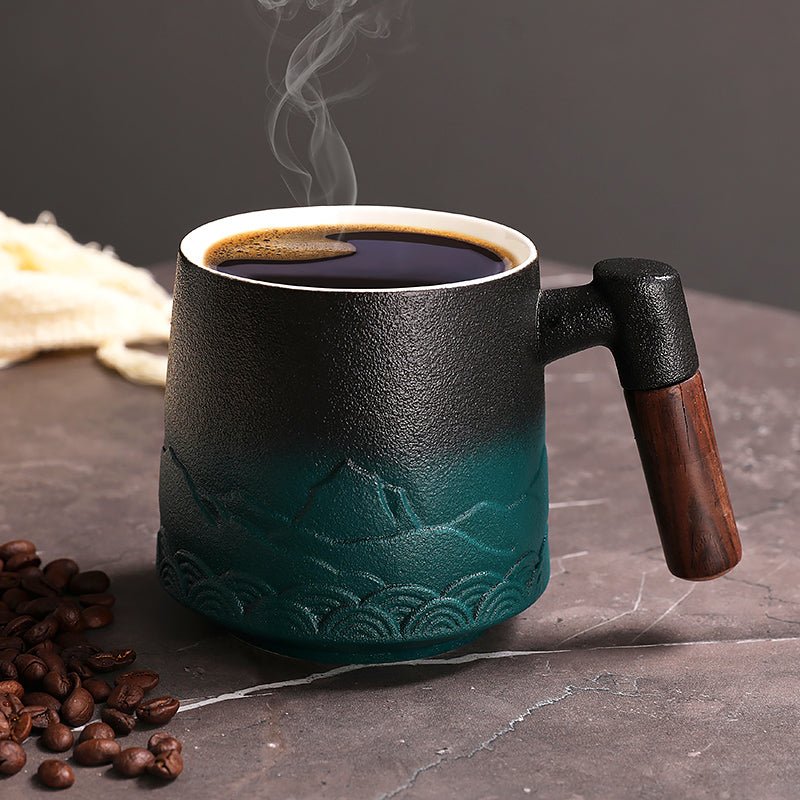
Coffee Mug Painting: Materials, Methods, and What Holds Up
Coffee mug painting works best when the mug surface, paint, and cure method match how the mug will be used. We cover what holds up on real kitchen counters, what to avoid, and which mug shapes make...
Read more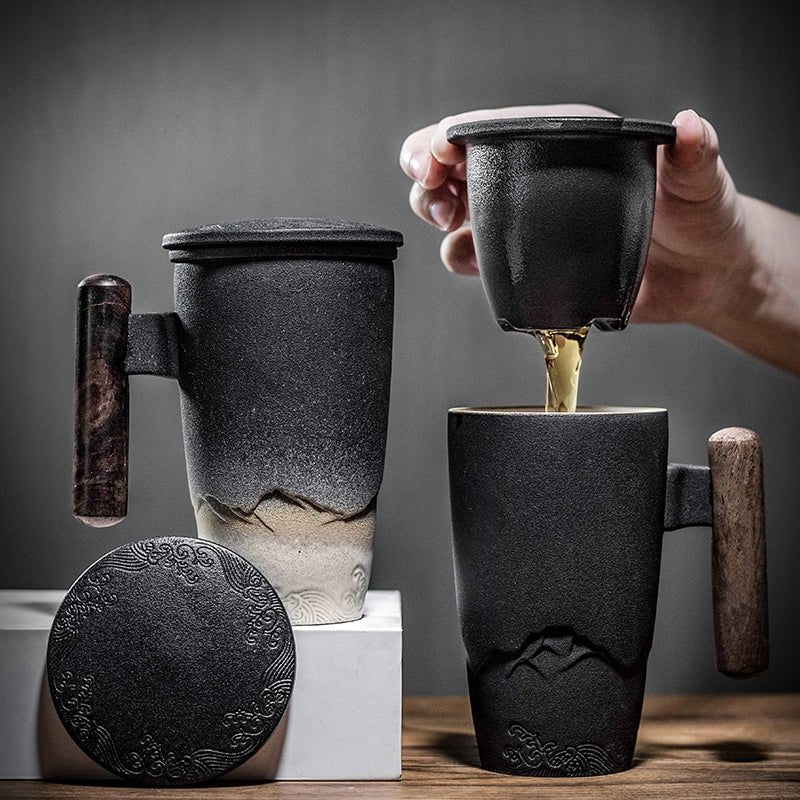
Home Goods Coffee Mugs: What to Buy for Daily Use
We break down home goods coffee mugs by size, material, handle comfort, and care so you can choose one that fits real daily coffee, not just a product photo.
Read more
Los kommentaar
This site is protected by hCaptcha and the hCaptcha Privacy Policy and Terms of Service apply.