
Currier and Ives Coffee Mugs: What to Check Before You Buy
Reading time: about 9 minutes
A mug that looks right on a shelf can still feel wrong at 7 a.m. if the handle is cramped, the rim is too thin, or the cup tips the moment you set it down. That is the real test for currier and ives coffee mugs: not just the artwork, but how they hold up on a kitchen counter, at an office desk, or after a few dishwasher cycles.
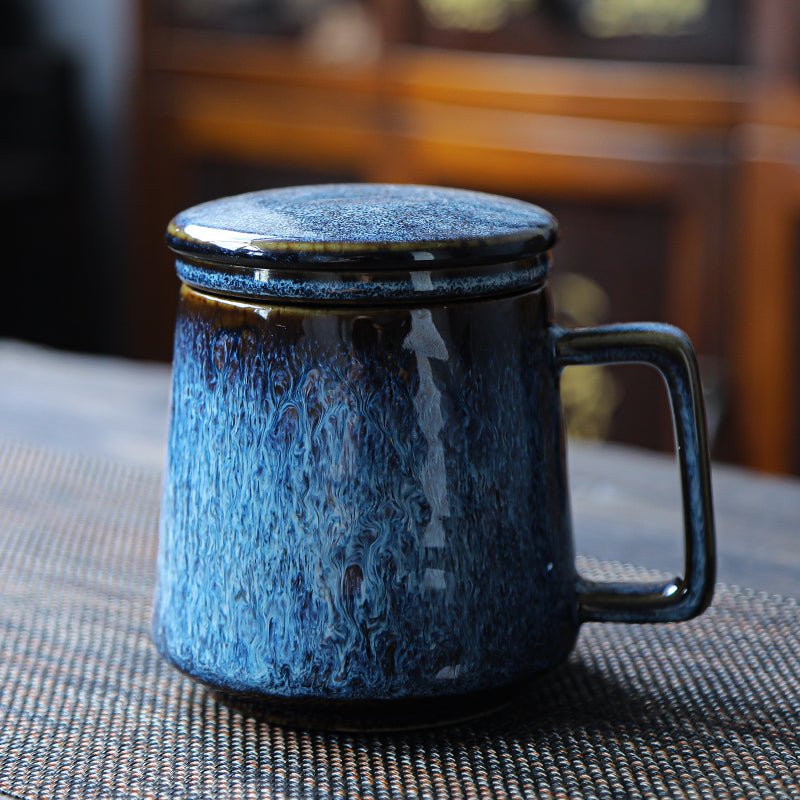
We sell mugs for everyday use, and we see the same buying pattern again and again. People start with the image they love, then realize they still need the right size, a comfortable grip, and a finish that will survive regular washing. If you are comparing options, start with the mugs in our store such as The Flow Coffee Tea Mug and Mountain Sea Coffee Tea Mug, then compare them against the broader collection before you decide.
What makes Currier and Ives mugs worth buying in the first place?
The appeal is straightforward: these mugs lean into classic American imagery, so they feel familiar without looking generic. For many shoppers, that matters more than a trendy graphic that goes stale in six months. A good Currier and Ives style mug works for slow weekend coffee, guest use, or gift-giving because the design is recognizable and easy to place in a kitchen with other traditional pieces.
We also see a practical advantage. Classic scene-based mugs are less likely to feel tied to one season or one fleeting trend, which makes them easier to keep in rotation. That said, they are not the best fit if you want a very minimal mug, a modern color-block look, or a specialty vessel built for espresso shots. If your daily routine is mostly pour-over or drip coffee, a standard straight-sided mug usually makes more sense than an oversized novelty shape.
If you want help sorting through the visual and functional side together, our related guide Currier and Ives Coffee Mugs: How to Choose the Right One goes deeper into the style side of the decision.
Which size works best for everyday coffee?
Size is where a lot of people overbuy. A mug that looks generous online can feel bulky in hand, especially if you keep it loaded with hot coffee at a desk. In our experience, the right choice depends on how you actually drink.
- 12 oz works well for standard drip coffee, tea, and people who prefer a lighter mug that cools down faster.
- 14 oz gives a little more room for cream or milk without feeling oversized.
- 16 oz suits longer drinks, refills you want to stretch, or anyone who dislikes topping up often.
If you want a deeper breakdown of size trade-offs, our size-focused articles on 12 oz Coffee Mugs: How to Choose the Right Mug for Daily Use and 16 oz Coffee Mugs: How to Choose the Right Mug for Daily Use are useful comparisons. They are especially helpful if you are buying for a household where one person likes a small morning pour and another wants a full mug that stays satisfying longer.
One trade-off is heat retention. A larger mug holds more liquid, but it also asks more from the handle and can feel heavy when full. A smaller mug is easier to lift, but it may not match someone who wants a long drink at a workstation. That is why we usually suggest matching size to the drink first, not the design.
What details matter most in the mug itself?
Shoppers often focus on the print and overlook the build. That is where many disappointing mugs fail. The common weak points are easy to spot once you know what to check.
| Detail | Why it matters | What we look for |
|---|---|---|
| Rim thickness | A very thin rim can feel sharp or fragile; a very thick rim can change how the coffee flows | A smooth, even lip with no rough spots |
| Handle shape | Comfort matters once the mug is full and hot | Enough finger clearance for a secure two- or three-finger grip |
| Base stability | Uneven bases wobble on counters and trays | A flat, stable foot ring with no rocking |
| Glaze finish | Pinholes or weak glaze can make a mug age poorly | An even surface with consistent color and no obvious pits |
We also pay attention to the kinds of flaws that show up over time. A hairline crack near the handle join, a slightly off-center base, or a print that starts fading after repeated harsh wash cycles are all more important than they sound on a product page. If a mug is going to live in a busy kitchen, it should survive loading, unloading, and daily handling without making you baby it.
For shoppers comparing shape as much as artwork, 14 Ounce Coffee Mugs: Fit, Materials, and Buying Guide is a useful companion read. It helps put capacity and comfort in the same frame, which is where most real buying decisions happen.
How do these mugs hold up for daily use and gifts?
For daily use, the best mug is one that disappears into routine. You can reach for it without thinking. It fits under the coffee maker, sits steady on the desk, and survives the sink cycle without special handling. That is the standard we care about in our store, and it is the standard customers should use when comparing any decorative mug.
For gifts, the calculation changes a little. You are not only buying a drinking vessel; you are buying a first impression. A classic-style mug can be a strong gift because it feels personal without being too specific. It works well for parents, coworkers, hosts, or anyone who likes traditional Americana patterns and wants something they will actually use.
There are limits. If the recipient prefers travel mugs, insulated tumblers, or very large mugs for soup and oversized lattes, a classic ceramic coffee mug may not be the right fit. It is also not the best choice for someone who wants ultra-lightweight drinkware for commuting. In those cases, a different style would suit them better than a decorative desk or home mug.
We see this most often at unboxing time. The right mug gets a quick nod, then it goes straight to the kitchen. The wrong one gets admired for a minute and then left on a shelf because the handle feels awkward or the size is off. That is why we recommend checking both the look and the hand-feel before you buy.
What should you check before placing the order?
A short checklist keeps you from guessing. Before you add one of these mugs to cart, look at the details below and make the decision on purpose.
- Capacity: decide whether you want a lighter 12 oz feel, a balanced 14 oz middle ground, or a roomier 16 oz cup.
- Handle clearance: make sure the handle looks large enough for your hand, especially if you dislike tight grips.
- Wall thickness: thicker walls tend to feel sturdier, while thinner walls can feel lighter but more delicate.
- Care instructions: confirm whether the mug is meant for dishwasher use, hand washing, or both.
- Use case: decide whether this is for home coffee, office tea, display, or gifting.
If you are comparing across styles and not just this theme, the full collection is the fastest way to see what else fits the same use case. That matters because a classic mug image can pull you in, but the final choice should still match your routine.
Our rule is simple: buy the mug you will actually drink from, not just the one that photographs best.
How should you care for a decorative coffee mug?
Good care extends the life of the glaze and the artwork. For everyday ceramic mugs, we recommend a basic routine: rinse soon after use, wash with a mild dish soap, and avoid abrasive scrubbers that can dull the finish over time. If a mug is dishwasher safe, it still helps to place it where it will not bang against other items or rattle loose during the cycle.
Heat is another factor. Sudden temperature swings are rough on ceramic. A cold mug pulled straight into very hot liquid can be more stressed than one that warms gradually, and the same is true in reverse when a mug goes from hot to cold water immediately. That does not mean you have to treat the mug delicately all the time, only that normal care goes a long way.
We also tell customers to check for early warning signs: a rough edge that catches a sponge, a tiny chip on the rim, or a hairline fracture near the base. Those are the kinds of defects that can stay small at first and then turn into a bigger problem later. A mug that starts wobbling or developing a crack should be retired, not pushed through daily use.
Frequently asked questions
Are Currier and Ives coffee mugs good for everyday use?
Yes, as long as you choose the right size and a mug with a comfortable handle. The design is decorative, but the mug still needs to work in a real kitchen or office. We usually recommend checking the capacity and care instructions first, because that is what determines whether it fits daily life.
What size is best if I drink regular drip coffee?
For most drip coffee drinkers, 12 oz to 14 oz is the most practical range. It is large enough for a normal serving without feeling clumsy in the hand. If you routinely add milk or like more room at the top, 14 oz is usually the safer bet.
Should I choose a ceramic mug or a lighter alternative?
Ceramic is the better choice if you want a classic mug feel, stable weight, and a traditional look. A lighter mug can be useful for travel or commuting, but it usually does not give the same sturdy desk or kitchen experience. For a home mug, ceramic is the more dependable default.
How do I know if the print will hold up?
Look for a smooth glaze, clear artwork edges, and care instructions that match your routine. Repeated harsh scrubbing and rough loading in the dishwasher are the main causes of premature wear, not normal drinking. If you want a mug that will stay in rotation, gentle care matters more than people think.
What if I want something classic but not specifically Currier and Ives?
Then compare style and shape first, not just the artwork. A classic scene mug may be right for you, but another traditional design could fit better if you want a different capacity or handle feel. Our broader mug collection is the fastest place to compare options side by side.
If you are narrowing the choice now, use this last check: size, handle comfort, care method, and where the mug will live most of the time. If those four points line up, you are probably looking at the right mug. If they do not, keep comparing and start with the full collection or the size guides above before you buy.
Read more
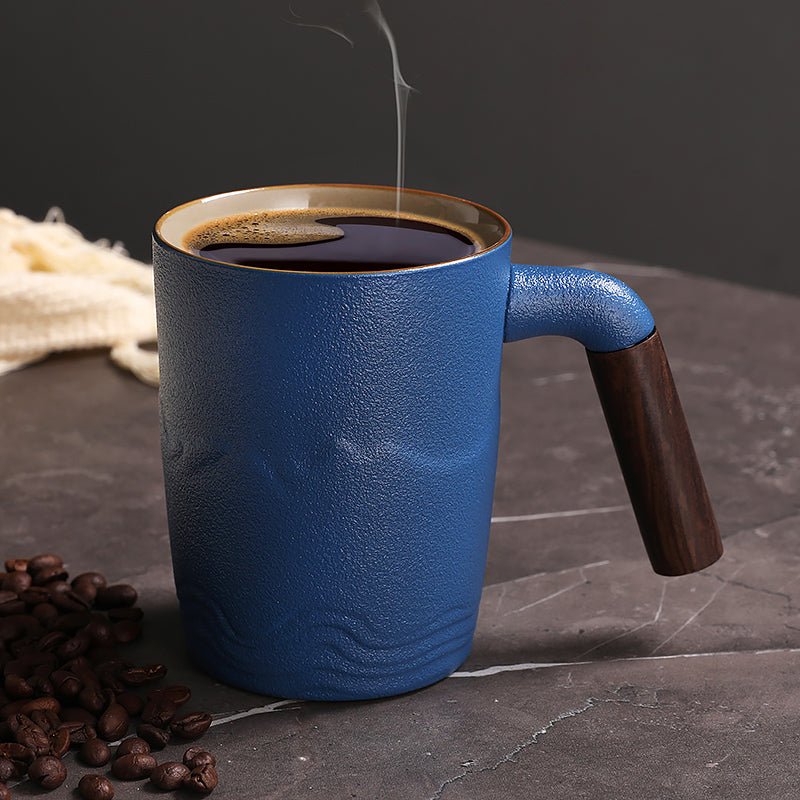
Metal Coffee Mugs: What to Check Before You Buy
Metal coffee mugs are a solid pick for desks, camping bags, and low-maintenance daily use, but the right one depends on wall construction, rim finish, and cleanup expectations. Here’s how we help s...
Read more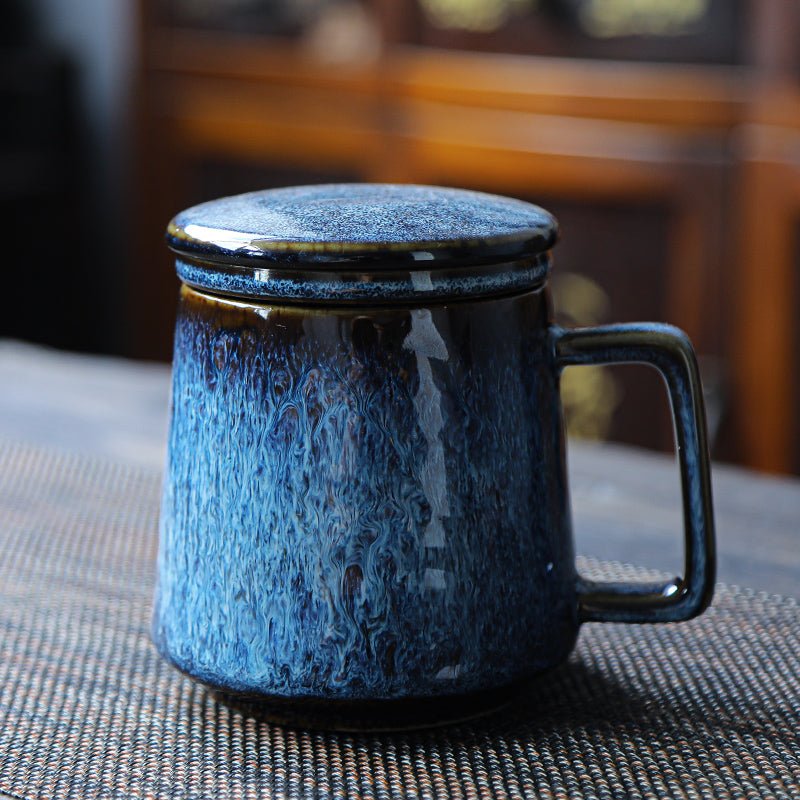
Mikasa Coffee Mugs: What to Check Before You Buy
We break down the details that matter in Mikasa coffee mugs: material, size, handle comfort, glaze quality, and daily-use trade-offs. Use this guide to compare options with a sharper eye before you...
Read more
Los kommentaar
This site is protected by hCaptcha and the hCaptcha Privacy Policy and Terms of Service apply.