
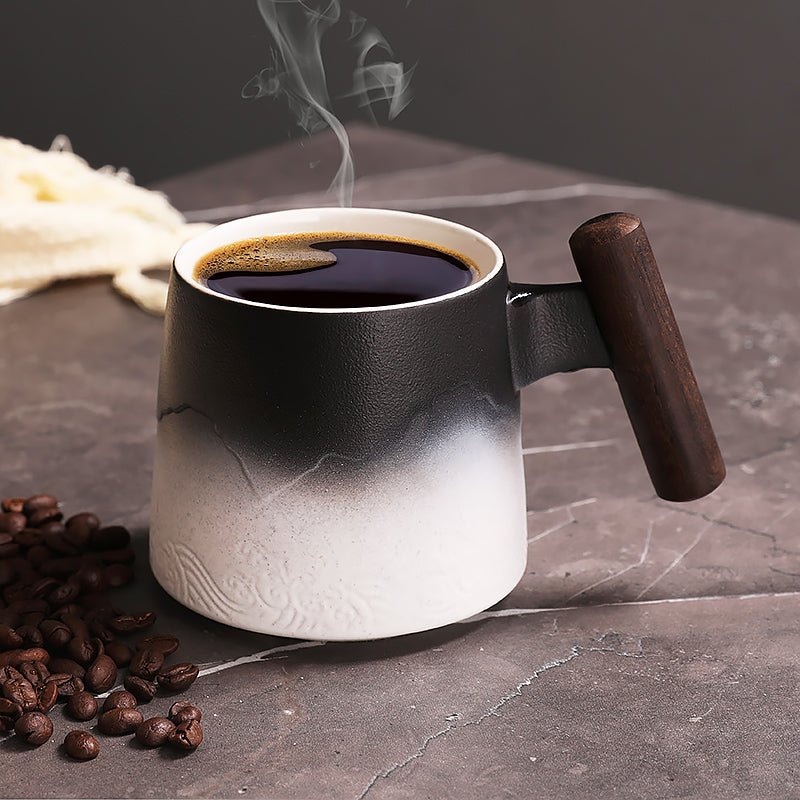
Crate and Barrel Coffee Mugs: What Buyers Should Check First
Reading time: about 8 minutes
Crate and barrel coffee mugs usually catch attention for one reason: they look calm on the shelf and they look even better in a real kitchen. The catch is that a mug that photographs well is not always the one you want to reach for before work, after dinner, or during a long office day.
We see this all the time in our store. People pick up a mug for the first time, wrap two fingers through the handle, and then realize the shape matters more than the color. A good mug should feel balanced, clear the fingers without pinching, and survive the routine stuff: dishwasher cycles, fast reheating, and a few accidental taps against a sink edge.
What do shoppers usually want from Crate and Barrel coffee mugs?
Most buyers are looking for a specific mix of style and practicality. They want a mug that feels at home on a kitchen counter, but they also want one that can be used every day without becoming a special-occasion item.
In that style lane, you usually see:
- Neutral glazes that work with open shelving and mixed tableware.
- Simple silhouettes with a wider bowl or a straighter cylinder shape.
- Stoneware or ceramic construction that feels sturdy in the hand.
The trade-off is that these mugs are often chosen for looks first, so the details matter. A beautiful glaze can still scratch, a heavy base can feel secure but bulky, and a narrow handle can be uncomfortable if you hold hot coffee for more than a few minutes. That is why we recommend comparing the mug in your hand, not just in the photo.
Which size works best for your daily coffee?
Size is the first decision that changes how a mug lives in your kitchen. If you brew drip coffee at home, take milk-heavy drinks, or heat coffee more than once through the morning, the right capacity saves you from constant refills.
If you want a deeper sizing guide, our posts on 12 oz Coffee Mugs: What to Check Before You Buy, 16 oz Coffee Mugs: What to Check Before You Buy, and 20 Ounce Coffee Mugs: What Buyers Should Check Before Ordering break down the differences in more detail.
| Use case | What to look for | Best fit | Main trade-off |
|---|---|---|---|
| Black coffee at home | Comfortable handle, balanced weight, room for a standard pour | 12 oz to 16 oz | Smaller mugs can feel too tight for milk drinks |
| Lattes, cappuccinos, or tea | Wider opening, slightly taller wall, easy-to-clean interior | 16 oz | May be larger than needed for espresso-only drinkers |
| Long desk sessions | Stable base, larger capacity, handle that does not crowd the fingers | 20 oz | Heavier when full and less ideal for quick sips |
| Gift purchase | Universal shape, neutral color, good first impression out of the box | 12 oz to 16 oz | Safer choice, but less personalized |
For most shoppers, 16 oz is the safest middle ground. It handles coffee with milk, tea, and cocoa without forcing you into a giant cup. A 12 oz mug is better if you want your drink hot from first sip to last, or if you use smaller brews. A 20 oz mug is useful for office desks and long mornings, but it is not the best pick if you dislike heavy mugs or prefer a quick, concentrated pour.
What materials and finishes are easiest to live with?
Material is where style and maintenance meet. Many mugs in this category are stoneware, which is popular because it feels solid, holds heat reasonably well, and works for everyday use. Porcelain and glazed ceramic can look a little cleaner and lighter, but they may feel less substantial in the hand.
There are a few practical things we look for before we recommend a mug:
- Glaze type: Glossy glazes tend to wipe clean more easily than matte finishes, which can show tea stains and fingerprints sooner.
- Rim thickness: A thinner rim feels nicer on the lip, but it can be more prone to chips if the mug is knocked against the sink or another cup.
- Base stability: A flat, even foot ring helps the mug sit steady on a desk or tray instead of wobbling.
- Handle join: The spot where the handle meets the body is one of the most common stress points, so that seam should look smooth and even.
For care, we always recommend checking the specific listing. If the mug is dishwasher safe, top-rack washing is still the safer routine for long-term finish retention. If it is microwave safe, that does not automatically mean every decorative detail is fine in the microwave. Metallic accents, unusual decals, and very thin walls deserve extra caution.
And there are limits. A matte mug can look excellent on a shelf, but it is not always the easiest choice if you hate the possibility of coffee shadows or residue around the rim. A very thick mug can feel durable, but it may be too heavy for people who work at a desk all day.
What details separate a good mug from one that just looks good?
We judge mugs the same way a buyer does at home: by the first five seconds in the hand and the first five wash cycles in the kitchen. That is where the real differences show up.
Watch for these details:
- Handle clearance: Two average fingers should fit without scraping the ceramic body.
- Balance when full: A mug should not feel top-heavy once coffee or tea is in it.
- Consistency in glaze: Tiny pinholes, uneven color, or rough spots can signal finish issues.
- Stacking behavior: If you store mugs in a cabinet, the rim and base should nest without chipping each other.
- Heat comfort: The mug should not become awkwardly hot to hold after a short microwave warmup.
Common defect modes are usually subtle at first. We see shoppers return to the same issues: a handle that is too small for adult hands, a base that rocks slightly on a flat counter, a glaze that crazes over time, or a finish that marks too easily from cutlery and dish racks. None of these flaws are dramatic on day one, but they affect whether the mug stays in rotation.
How do these mugs compare with other everyday mugs?
If you are comparing Crate and Barrel coffee mugs with other style-led options, the question is not just which looks better. It is which one fits your routine. Our article on Anthropologie Coffee Mugs: How to Compare Style, Size, and Everyday Use is useful if you are deciding between decorative and minimalist looks, while Amazon Coffee Mugs: How to Compare Materials, Sizes, and Everyday Use is a good reference if you want to judge value by material and shape instead of branding.
Our own take is simple:
- Choose a cleaner, heavier mug if you want a calm cabinet and a sturdy daily cup.
- Choose a lighter mug if you prioritize easy handling or smaller servings.
- Choose a larger mug if you drink slowly or work through coffee at a desk.
- Choose a narrower mug if you care more about heat retention than volume.
That is also why our broader Best Coffee Mugs for Daily Use, Gifts, and Office Desks guide pairs well with this topic. It helps you separate a mug you will admire from a mug you will actually use five days a week.
Which buyers should skip this style?
Crate and barrel coffee mugs are not the best fit for everyone. If you want an ultralight mug for travel, camping, or a crowded office shelf, a thick stoneware mug may feel too heavy. If you only drink espresso, a large everyday mug is more cup than you need. And if your kitchen gets a lot of hard use, very light-colored matte finishes may ask for more upkeep than you want to give them.
For buyers who prize a sharp, minimal counter look and still want everyday utility, this style can be a strong fit. For buyers who care more about portability, stackability, or tiny-batch espresso service, a different mug format will be the smarter purchase.
Our rule of thumb: buy the mug you want to wash, store, and lift every day, not the mug you only want to photograph once.
Frequently asked questions
Are Crate and Barrel coffee mugs good for everyday use?
Yes, if you want a mug that balances style with routine use. The best ones have a comfortable handle, a steady base, and a finish that stands up to repeated washing. The specific mug still matters, so check size and care notes before buying.
What size Crate and Barrel coffee mug should I buy?
Most shoppers are best served by 12 oz to 16 oz mugs. Choose 12 oz for smaller pours and hotter drinks, 16 oz for the most flexible everyday use, and 20 oz if you drink slowly or want one mug for coffee, tea, and cocoa.
Are stoneware mugs better than porcelain mugs?
Stoneware usually feels heavier and more durable in daily use, while porcelain often feels lighter and a little more refined. Stoneware is a better choice if you want a sturdy kitchen mug. Porcelain is better if you prefer a lighter hand feel and a cleaner visual profile.
How do I keep a glazed mug from staining?
Rinse it soon after use, wash it regularly, and avoid leaving coffee or tea sitting in the cup for long periods. Glossy glazes are usually easier to maintain than matte surfaces. If staining bothers you, choose a lighter glaze and a mug with a smooth interior.
What should I check before ordering a mug online?
Check the capacity, handle size, material, care instructions, and whether the mug stacks well in your cabinet. Photos can hide a thin handle or a bulky base, so read the dimensions carefully. If you want a broader comparison set, start with our collection of mugs or browse the full product selection to compare shapes side by side.
If you are narrowing it down today, use this checklist: pick the size you actually drink from, confirm the material and care instructions, and make sure the handle feels comfortable for your hand. Then compare it against the rest of our collection before you decide.
More from our blog
Read more
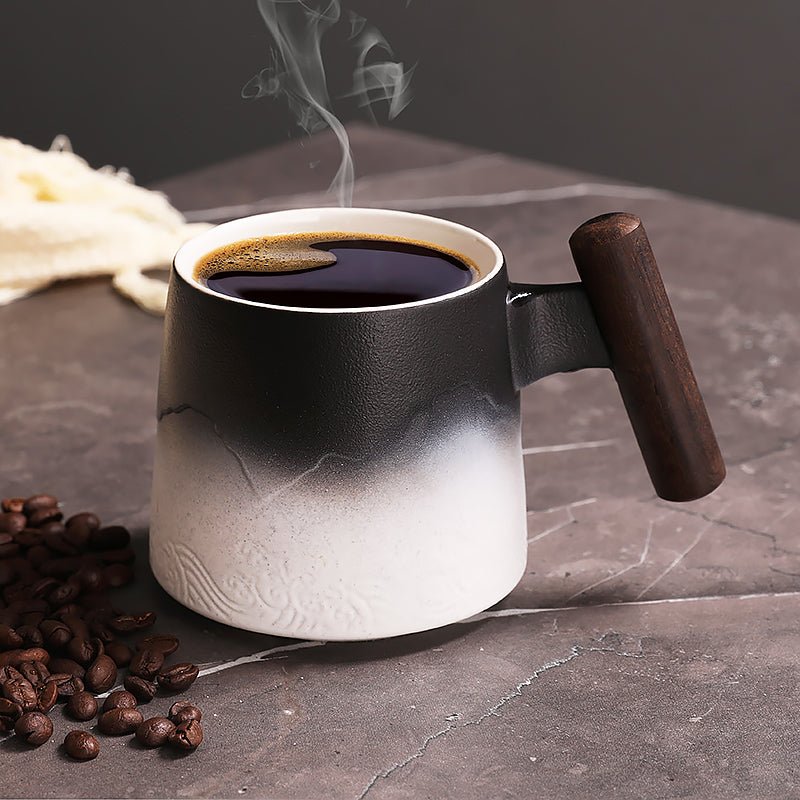
Coffee Percolator Mug: What to Check Before You Buy
A coffee percolator mug sounds simple, but the details matter: heat retention, lid fit, handle comfort, and cleanup all change how it feels in daily use. Here’s what we’d check before choosing one.
Read more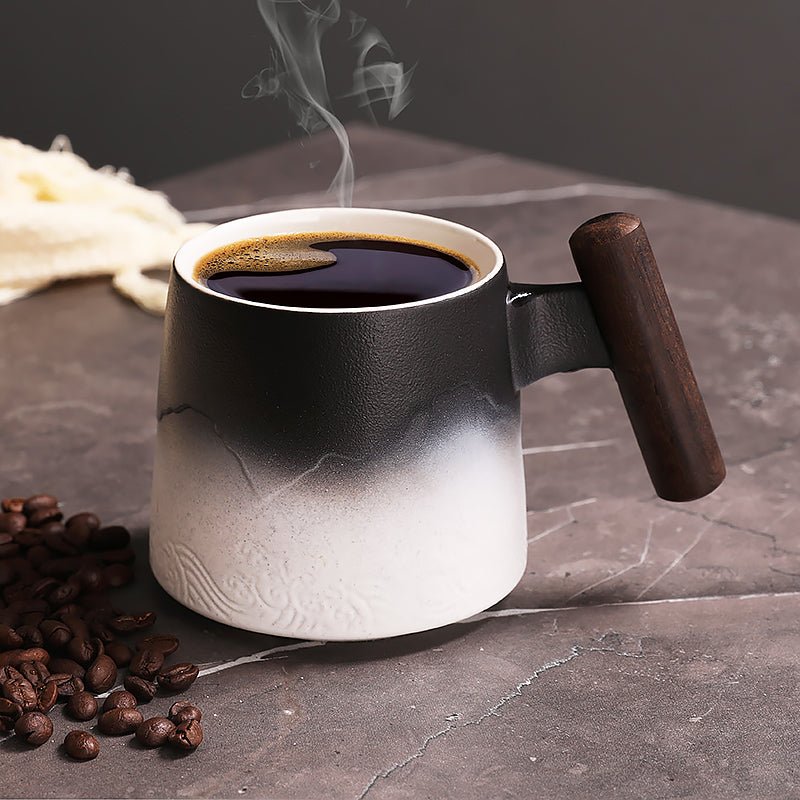
Yellow Mug Coffee Lounge: What Shoppers Should Check Before Buying
A practical guide to the yellow mug coffee lounge style, with the real details shoppers check before buying: material, size, finish, and daily use. We also point to the right CoffeifyMug pages so y...
Read more
Los kommentaar
This site is protected by hCaptcha and the hCaptcha Privacy Policy and Terms of Service apply.