
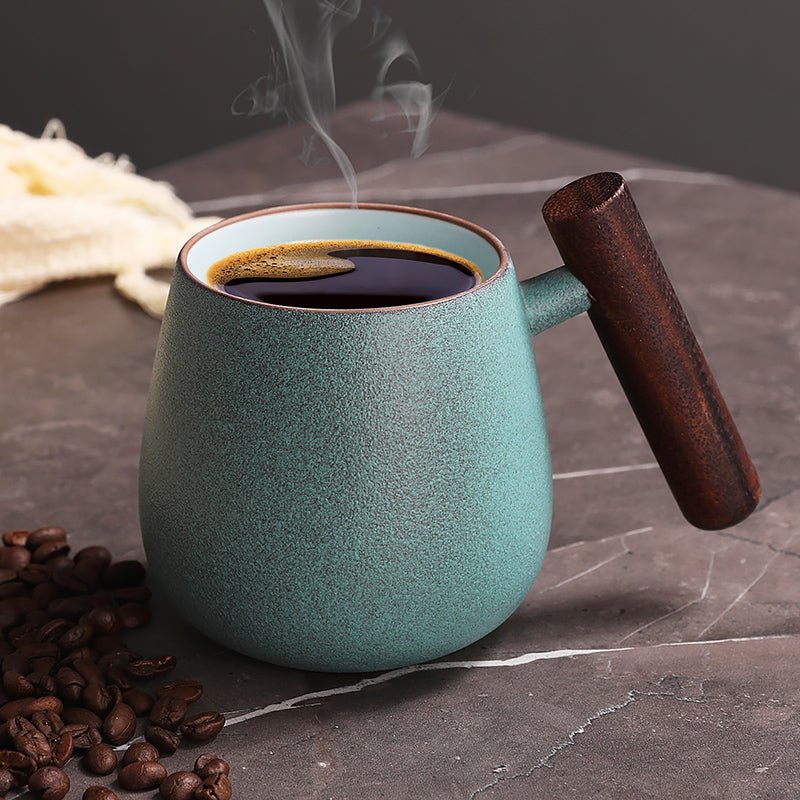
Cracker Barrel Coffee Mugs: Size, Style, and Fit Guide
Reading time: about 8 minutes
The first thing we notice with cracker barrel coffee mugs is not the print or the finish. It is the hand feel. A mug can look right on a shelf and still disappoint the moment you lift it for a weekday pour, especially if the handle is too tight, the base rocks on the counter, or the rim feels clumsy against your lip.
That is the practical part shoppers usually want answered before they buy. In our store, we see people comparing a familiar rustic look with daily-use details, and those details matter more than the branding on the side. If you want a simple place to compare styles first, start with The Flow Coffee & Tea Mug or browse our full collection before deciding what size and shape fit your routine.
We handle a lot of mug decisions this way: someone wants something for a morning drip coffee on the kitchen counter, someone else wants a desk mug that can survive a few dishwasher cycles, and someone is buying a gift that needs to feel substantial out of the box. Those are different jobs, and the right mug should match the job.
What size works best for daily coffee?
Size changes more than capacity. It changes weight, heat retention, storage space, and how the mug feels once you add cream or tea. If you are comparing common capacities, our sizing guides for 12 oz Coffee Mugs: How to Choose the Right Mug for Daily Use, 14 Ounce Coffee Mugs: Size, Fit, and Buying Guide, and 16 Ounce Coffee Mugs for Daily Use: Size, Fit, and Shape Guide are the fastest way to narrow the field.
| Size | Best for | Trade-off |
|---|---|---|
| 12 oz | Standard drip coffee, smaller pours, office desks with limited space | Less room for milk, foam, or a long refill cycle |
| 14 oz | People who want a little extra headroom for cream or tea | Can feel a bit large if you like a lighter, faster cup |
| 16 oz | Long mornings, tea drinkers, and anyone who prefers one larger pour | Heavier when full and more likely to crowd a cabinet shelf |
We usually tell shoppers to think about the last cup they actually finished, not the one they imagine. If your normal pour leaves room for milk and still feels too small, move up a size. If you rarely finish a large mug before it cools, a 12 oz option tends to feel more balanced on the table and in the hand.
One practical test: fill your current mug to the level you actually drink, then measure how much empty space you still want near the rim. That tells you more than a product photo ever will. It also keeps you from buying a mug that looks great but makes every refill feel awkward.
How do shape and handle comfort change the experience?
Shape is where good mugs become everyday favorites or shelf clutter. A curved wall can make a mug feel softer in the hand, while a straighter wall can look cleaner and stack more efficiently. The handle matters just as much. We look for enough clearance that two fingers slide in without scraping the mug body, and enough thickness that the handle does not feel sharp after a full pour.
There are a few concrete checks we use in the store when we inspect mugs for real use:
- Rim thickness: A thinner rim usually feels better for sipping, but it should still be smooth and even.
- Handle opening: A handle that is too narrow becomes annoying fast, especially if you use the mug every morning.
- Base flatness: A mug should sit flat without rocking on a countertop or desk.
- Glaze consistency: Watch for pooling, pinholes, or rough spots near the rim and handle joints.
Those details sound small until you use the mug for a week. Then they are the difference between a piece you reach for automatically and one you move to the back of the cabinet. For a gift, handle comfort matters even more because the recipient notices it immediately during the first unboxing and first pour.
We judge a mug by what it does after a week on the counter, not just by how it photographs. If the handle scrapes, the base wobbles, or the rim feels unfinished, that mug will not stay in rotation.
What should you inspect before you buy?
Before checking out, we recommend looking at the details that tend to separate a solid everyday mug from a disappointing one. These are the same things we check in our own store when we compare mugs for customer use, gift orders, and repeat purchases.
- Material: Confirm whether the mug is ceramic or stoneware and decide whether you want a lighter feel or a heavier one.
- Care instructions: Check whether it is dishwasher-safe and microwave-safe. If the listing says hand wash only, plan on that from day one.
- Rim and handle finish: Run your eye along the rim and handle junction for rough glazing or uneven edges.
- Interior depth: Make sure the mug is deep enough for the way you drink coffee or tea, especially if you use cream, sugar, or tea bags.
- Stability: A flat, balanced base matters on a crowded kitchen counter and on an office desk with notebooks and chargers nearby.
There are also a few care habits that keep this category looking better for longer. Avoid sudden temperature swings, like pouring boiling water into a mug straight from a cold cupboard. If the mug has any decorative finish, regular handwashing is the safest way to preserve the surface. Dishwasher use is convenient, but it is only a good idea if the product page clearly allows it.
One more point we tell shoppers honestly: mugs with rich glaze variation can be charming, but they can also hide small imperfections more easily. If you care about symmetry, inspect the product photos closely for even handle placement and a level rim. If you care more about character than precision, some of that variation may be exactly what you want.
Which options in our store fit the same buyer profile?
If you like the feel of cracker barrel coffee mugs but want to compare a few different silhouettes, our store has a few practical alternatives that cover different use cases. The right choice depends on whether you want a cleaner everyday mug, a more rustic look, or a piece that reads as a gift first and a workhorse second.
The Flow Coffee & Tea Mug is the easiest starting point if you want an everyday shape that feels calm and simple on a kitchen shelf. Mountain Sea Coffee & Tea Mug fits shoppers who want a slightly stronger visual presence, the kind of mug that looks intentional on open shelving or a home office desk. Spittoon Coffee & Tea Mug is the more conversation-forward option, better for someone who wants a mug with a bit more character than a standard plain cup.
We would not pretend these are all interchangeable. They are not. A cleaner shape can be easier to wash and store, while a more decorative piece may be better for gifting or display. If you are buying for a person who uses the same mug every weekday, favor comfort and balance over novelty. If the mug is mainly for a kitchen display or a gift basket, the visual story matters more.
What are the trade-offs of this style?
Cracker Barrel coffee mugs appeal to shoppers who want a familiar, grounded look. That is useful, but it is not the right choice for everyone. The style tends to suit regular coffee and tea use better than oversized milk drinks, and it may not be the best fit for someone who wants a very light cup, a minimalist modern cabinet, or a mug that disappears into a tight workspace drawer.
We also see a few situations where a different style makes more sense:
- If you mostly drink espresso or very small pours, a smaller mug will feel more precise.
- If you want a huge latte vessel, a bowl-like shape may be more comfortable than a classic handled mug.
- If your cabinet shelves are narrow, a shorter mug with a smaller handle footprint is easier to store.
- If you need a travel mug for a car cup holder, a ceramic countertop mug is the wrong category altogether.
That trade-off is normal. Good buying is not about picking the biggest mug or the most decorative one. It is about choosing the mug you will actually use without thinking about it. The best mug disappears into your routine.
Frequently asked questions
Are Cracker Barrel coffee mugs usually ceramic or stoneware?
Most mugs in this style are ceramic or stoneware, but you should verify the product page for the exact material. Ceramic usually feels a little lighter, while stoneware often feels more substantial in the hand. Either can work well if the glaze is smooth and the handle is comfortable.
What size Cracker Barrel coffee mug is best for daily coffee?
For most daily coffee drinkers, 12 oz is the safest starting point. If you add a lot of milk or want more room for tea, 14 oz can feel better. A 16 oz mug works when you want a larger single pour, but it is heavier and takes up more cabinet space.
Can these mugs go in the dishwasher and microwave?
Only follow the care instructions that come with the specific mug. Many ceramic mugs can handle dishwasher and microwave use, but decorative finishes, metallic details, or specialty glazes may require handwashing. If you want the surface to look good longer, handwashing is the safer routine.
What should I check if I am buying one as a gift?
Check the handle comfort, the finish, and the overall balance before you choose a gift mug. A good gift mug should feel solid when lifted, not just attractive in a photo. If you are unsure, pick a shape with a clean silhouette and enough capacity for the recipient's usual drink.
What is the biggest mistake shoppers make with this mug style?
The biggest mistake is buying for the look alone. A mug can match the aesthetic and still be annoying if the handle is cramped or the base rocks on the counter. We always recommend comparing the size and grip to the way you actually drink coffee at home or at work.
If you want to compare the full range before buying, start with our mug collection and use your current mug as the benchmark for size, handle room, and base stability.
Read more
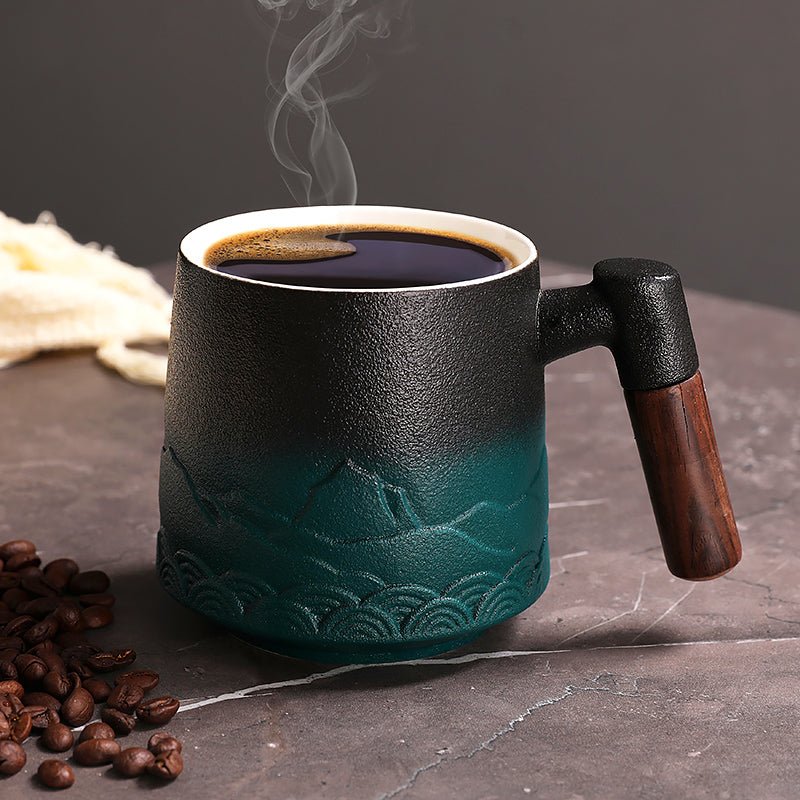
Corning Coffee Mugs: Size, Material, and Care Guide
Shoppers comparing corning coffee mugs usually care about comfort, weight, and how well a mug holds up in daily use. We break down the checks that matter and show which of our mugs are worth a clos...
Read more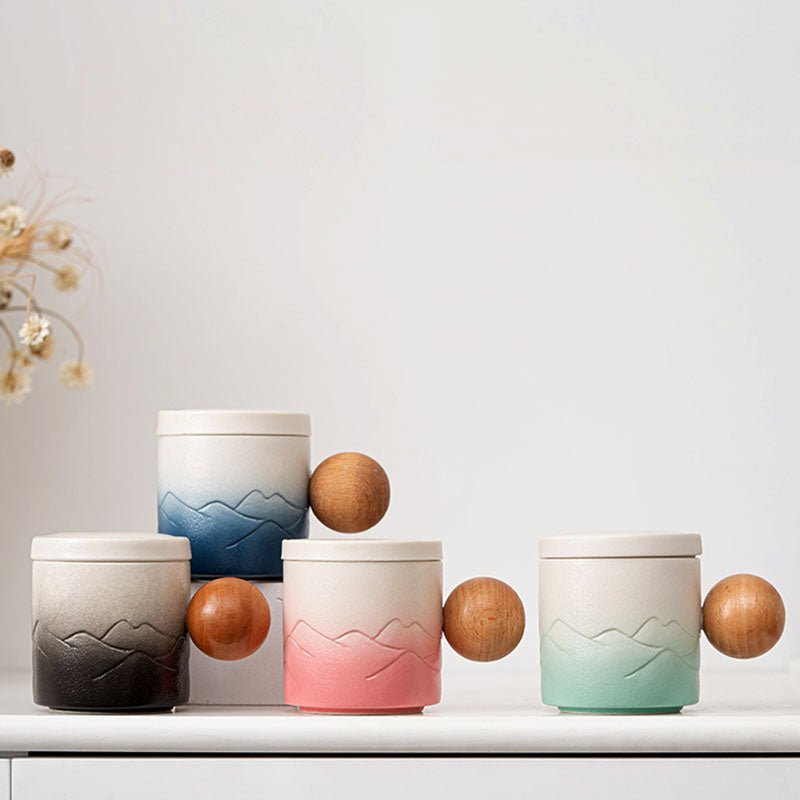
Fathers Coffee Mug Buying Guide for Everyday Gifting
A fathers coffee mug should feel good in the hand, fit the way he actually drinks coffee, and hold up on a real kitchen counter or office desk. This guide compares practical options and points you ...
Read more
Los kommentaar
This site is protected by hCaptcha and the hCaptcha Privacy Policy and Terms of Service apply.