
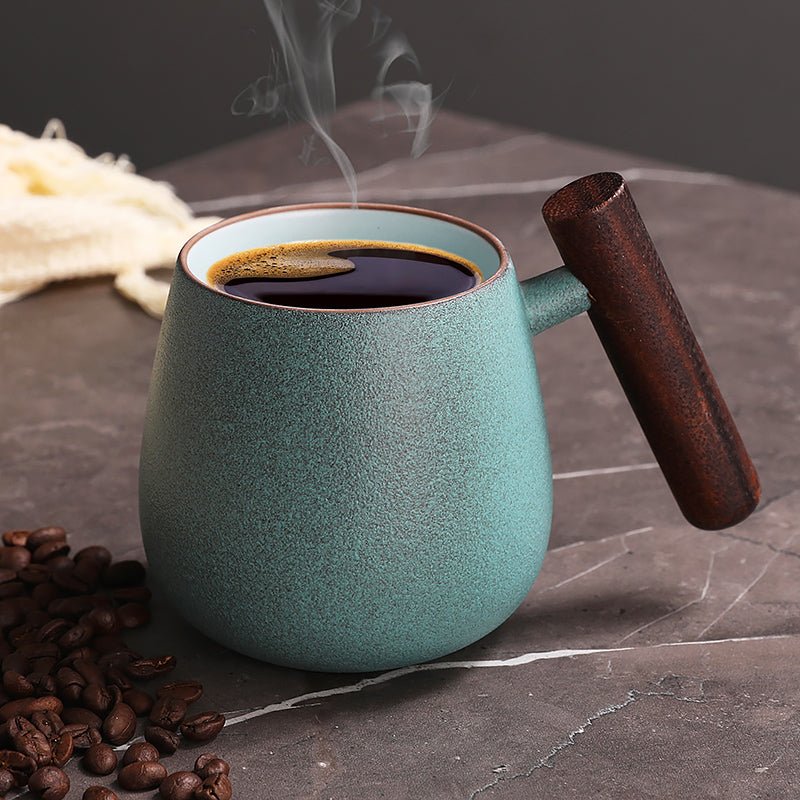
Corning Coffee Mugs: What Buyers Should Check Before Ordering
Reading time: about 6 minutes
Corning coffee mugs get attention for a simple reason: the mug lives on a kitchen counter, beside an office keyboard, and in the dishwasher more often than most people realize. If the handle feels cramped, the rim chips early, or the mug is too tall for the cabinet shelf, the "nice mug" becomes the one you stop reaching for.
We look at mugs the way real buyers use them. If you want to compare styles quickly, start with our all mugs collection. Our store uses that page as the fastest way to sort by shape and finish before choosing a specific mug. For a design-forward example, the Mountain Sea Coffee Tea Mug shows the kind of everyday mug many shoppers pick for desks and gift boxes.
What should you check first on corning coffee mugs?
The first pass should be practical, not decorative. In our experience, the complaints start with fit and finish, not the printed design.
- Handle clearance: two fingers should fit without scraping the mug body.
- Rim thickness: a thinner rim can feel nicer on the lip, but too thin can chip more easily.
- Base stability: the mug should sit flat, not rock on a kitchen counter or desk tray.
- Glaze coverage: rough spots near the foot or handle join often turn into wear points after repeated washes.
- Cabinet height: a tall mug can be awkward if your shelf clearance is tight.
If you are comparing against our broader buying guide, the article Corning Coffee Mugs: What Buyers Should Check Before Ordering goes deeper into the same checklist from a shopping angle.
Which size feels right for daily coffee?
Size changes the whole experience. A 12 oz mug is usually the safest pick for standard drip coffee and smaller hands. A 14 oz mug gives a little more room for milk, cream, or a longer pour. A 16 oz mug is better if you want fewer refills at a desk, but it can feel heavy once filled and may crowd narrow cupboards or pod-machine spaces.
| Size | Best for | Main trade-off |
|---|---|---|
| 12 oz | Standard drip coffee, tea, and a mug that does not feel bulky | Less room for milk and foam |
| 14 oz | People who like a little extra volume without moving to a large mug | Takes up more cabinet space than a 12 oz mug |
| 16 oz | Desk use, long mornings, and fewer refills | Heavier when full and not as easy to store in tight spaces |
If you want a tighter breakdown of everyday capacity, our guides on 12 oz Coffee Mugs: How to Choose the Right Mug for Daily Use and 16 oz Coffee Mugs: How to Choose the Right Mug for Daily Use are useful before you buy.
What material and finish hold up best?
Not all mugs age the same. Ceramic and stoneware are common everyday picks because they feel solid and usually tolerate regular dishwasher use better than delicate decorative pieces. Porcelain is often lighter and more refined at the lip, but it can feel less substantial. Glass shows stains sooner and is less forgiving if you pour boiling liquid into a cold cup too quickly.
What we watch for in-store is simple: a smooth glaze, even wall thickness, and no sharp transition where the handle meets the body. That handle joint is one of the first places that shows stress after repeated dishwasher cycles. Hairline cracks, glaze crazing, and tiny chips on the rim are the common wear modes that turn a good mug into a short-lived one.
A mug does not need to be fancy to be good. It needs to feel balanced full of coffee, clean well, and survive the daily habits people actually have.
Which mugs from our store fit different buying goals?
We stock mugs for shoppers who want a practical gift, a desk mug, or a more expressive piece than a plain white cup. If you want a compact starting point, browse the full collection and compare the silhouette, handle shape, and artwork style before choosing.
| Buying goal | What to prioritize | Store option |
|---|---|---|
| Everyday desk mug | A comfortable handle, a stable base, and a shape that does not tip easily near a keyboard | Planet Coffee Tea Mug |
| Giftable mug | Artwork that reads clearly out of the box and a size that most people can use right away | Mountain Sea Coffee Tea Mug |
| Fun conversation piece | A distinctive profile that stands out on a shelf without becoming awkward to hold | Spittoon Coffee Tea Mug |
These are not the right pick for someone who wants ultralight travel gear or stackable espresso cups. They are better for home kitchens, shared office kitchens, and gift sets where a mug is meant to be used, not just displayed.
What should you avoid if you want the mug to last?
Three things cause most buyer regret. First, a mug that looks good in photos but feels top-heavy once full. Second, a decorative glaze or print that leaves a rough edge where the hand rests. Third, a size that does not fit the way the person drinks coffee.
- Do not choose a mug only because it is large if you usually drink a half-cup refill.
- Do not assume every mug that says dishwasher-safe will look the same after dozens of cycles; thin prints and light-colored glazes can wear differently.
- Do not ignore handle shape if the mug will be used by someone with larger hands or wrist sensitivity.
- Do not buy a delicate display mug for a busy office sink if you need something that can take everyday handling.
For shoppers comparing size first, the difference between a 12 oz and 16 oz mug is not just capacity. It changes the grip, the cabinet fit, and how quickly the drink cools while you work.
Frequently asked questions
Are corning coffee mugs good for everyday use?
They can be, if the mug has a comfortable handle, a stable base, and a finish that holds up to regular washing. Everyday use is where defects show up, so we recommend checking the rim, handle joint, and overall balance before buying.
What size is best for coffee at home?
For most people, 12 oz is the safest everyday size because it works for standard coffee without feeling bulky. If you like extra milk or longer desk sessions, 14 oz or 16 oz can be a better fit, but they take up more space and feel heavier when full.
Can I put these mugs in the dishwasher and microwave?
That depends on the specific mug and the finish used on it. We always recommend checking the care guidance on the product page, because some mugs handle repeated dishwasher cycles well while others are better treated more gently.
What defects should I look for before I order?
Watch for chips on the rim, hairline cracks near the handle, rough glaze on the foot, and a base that rocks on a flat surface. Those are small issues on day one, but they are the ones that tend to become real problems after a few weeks of use.
Which mug is better for gifting: plain or decorative?
Decorative mugs usually feel more personal right out of the box, while plain mugs are safer if you do not know the recipient's taste. If the gift is for daily coffee at work or home, a comfortable handle and a practical size matter more than an elaborate print.
If you want to compare options side by side, start with the full mug collection, then narrow by size and shape before choosing a specific design.
Read more
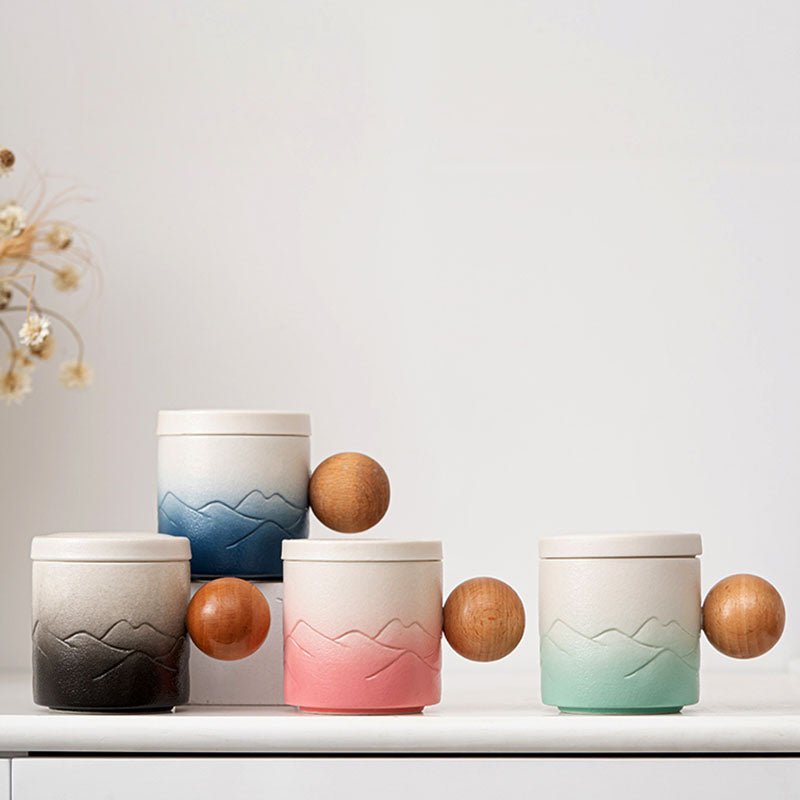
Large Tea Cup Buying Guide for Daily Tea Drinkers
A large tea cup should hold enough tea for a real sitting, feel steady in the hand, and survive daily use without getting awkward on a desk or in the dishwasher. Here is how we help shoppers compar...
Read more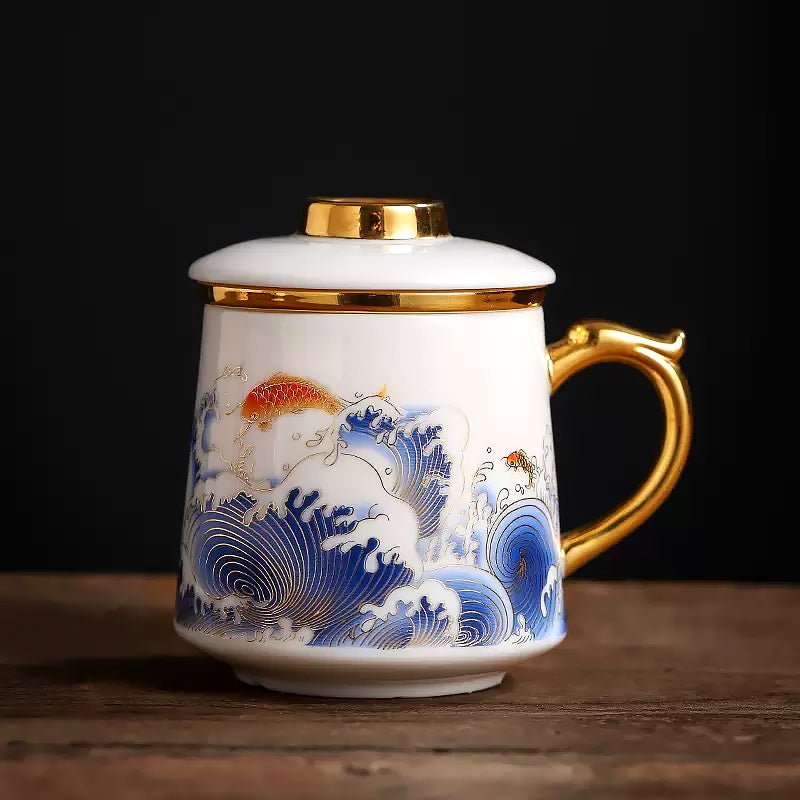
Fancy Coffee Mugs: How to Choose One That Actually Gets Used
We compare fancy coffee mugs that look good on the counter but still work for daily coffee, desk use, and gifting. See how wooden-handle styles differ, what to check before you buy, and which desig...
Read more
Los kommentaar
This site is protected by hCaptcha and the hCaptcha Privacy Policy and Terms of Service apply.