
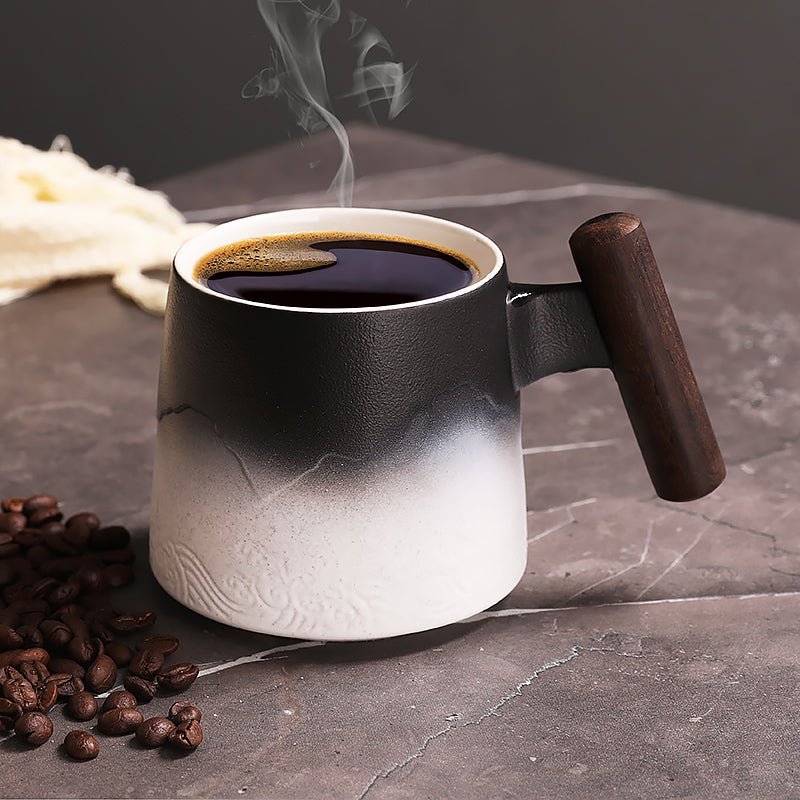
Cool Coffee Mug Buyer’s Guide: Materials, Sizes, and Features
Reading time: about 9 minutes
A mug can look perfect in a product photo and still be awkward on a real desk. We see that all the time: a handle that feels too tight, a rim that pours heat straight into your hand, or a cup that looks stylish but chips after a few dishwasher cycles.
That is why buying a cool coffee mug is less about chasing a trendy shape and more about checking the details that affect daily use. In our store, we judge mugs the way shoppers actually use them: on a kitchen counter before work, under an office Keurig, in a dishwasher at the end of the day, and as a gift that still needs to feel special after the box is opened. If you want to browse current options while you read, start with our products page or the full collection.
What makes a cool coffee mug worth buying?
A cool mug is not just a pretty mug. It should have a shape that feels balanced in the hand, a finish that still looks good after repeated washing, and a size that matches how much coffee you actually drink.
We look for a few things first:
- A comfortable handle that fits more than just a few fingers. If the opening is cramped, the mug may look sleek but feel annoying every morning.
- A stable base so it does not feel top-heavy on a desk or tray table.
- A rim that drinks cleanly. A thick, awkward lip can make even good coffee feel less refined.
- A finish that can handle routine care. Glossy glaze, matte coating, or printed artwork all behave differently over time.
Style matters, but utility decides whether a mug stays in rotation. A design that photographs well but scratches easily or gets too hot to hold is not a strong buy for everyday use. That trade-off shows up fast in real kitchens.
Which mug material fits your routine best?
Material is the biggest factor in how a mug feels and lasts. It changes heat retention, weight, dishwasher durability, and even how the mug sounds when you set it down on a table.
| Material | What it feels like | Best for | Trade-off |
|---|---|---|---|
| Ceramic | Classic, balanced, easy to hold | Daily coffee, gifting, most home use | Can chip if dropped or knocked against a sink |
| Stoneware | Heavier, more substantial, often warmer-looking | Desk mugs, cozy at-home use | Weight adds heft, which some people love and others do not |
| Glass | Clean, modern, shows the drink inside | Espresso drinks, latte presentation | Usually less forgiving if you want a sturdy everyday mug |
| Stainless steel | Tough and practical | Travel or outdoor use | Less ideal if you want the feel of a classic coffee mug |
For most shoppers, ceramic is still the safest default. It is familiar, easy to gift, and usually the most comfortable for a standard coffee routine. Stoneware is better if you like a more substantial feel. Glass is the style choice, but it is not the best option if you want something rugged for a busy kitchen.
If microwave use matters, read our guide on Cool Coffee Mug for Microwave: What to Buy and What to Avoid before you pick a finish or accent material. Decorative trims, metallic inks, and some printed surfaces can be a problem in the microwave even if the mug looks fully ceramic at first glance.
What size should you buy for your daily coffee?
Size changes the whole buying experience. A mug that is too small forces a refill. One that is too large cools slowly and can feel bulky on a narrow desk or under a machine.
Here is the practical way we think about it in our store:
- 10 oz to 12 oz works for smaller pours, shorter coffees, and people who want a compact mug that fits neatly under cabinets and machines. If you want a tighter fit, our related posts on the 10 oz coffee mug, 11 oz coffee mug, and 12 oz coffee mug explain what fits best.
- 15 oz to 16 oz suits people who want one mug to cover a larger pour, a longer work session, or a breakfast drink with room for milk. Our guides on the 15 oz coffee mug and 16 ounce coffee mug are useful if you are comparing everyday comfort against capacity.
- 20 oz is for buyers who want a bigger cup and do not mind extra weight or footprint. It is less suitable if your desk is crowded or you usually drink smaller servings. We cover those trade-offs in our 20 oz coffee mug guide.
One practical note from handling a lot of mugs: the stated ounce size does not tell you everything. Two mugs with the same capacity can feel very different because of wall thickness, handle shape, and how high the mug tapers. A 12 oz mug with thick walls may feel larger in the hand than a narrow 15 oz mug.
Which details make a mug feel premium instead of generic?
The details are where the better mugs separate from the forgettable ones. We have seen plenty of cups that look cool in photos but feel ordinary once you actually hold them.
- Handle geometry: a rounded handle is usually easier on the fingers than a sharp-edged one, especially if you drink hot coffee without a sleeve.
- Rim thickness: thinner rims often feel cleaner on the lips, but very thin rims can be less forgiving if the mug chips.
- Glaze quality: an even glaze matters. Drips, pinholes, and rough spots can be cosmetic or signs of a rushed finish.
- Print placement: artwork should sit cleanly on the body of the mug, not crowd the grip zone where hands and dishwashers wear it down fastest.
- Base stability: a flat, well-finished base helps prevent wobble and keeps the mug from feeling cheap on a table.
For gifting, the unboxing matters too. A mug can be a nice present, but it should still look intentional when the lid comes off the box. Clean lines, legible graphics, and a finish that does not show fingerprints too easily all help. That is why a good cool coffee mug works for home offices, client gifts, and casual birthdays without needing a lot of explanation.
We judge a mug by the second week, not the first day. A lot of mugs are fine at unboxing and less impressive after a few dishwashing cycles, a couple of desk bumps, or one rushed morning pour.
How do you match the mug to the buyer or use case?
Not every mug should be bought for the same reason. The best choice changes depending on where it will live and who is using it.
For a home kitchen
Choose a mug with a comfortable handle, easy-clean glaze, and enough weight to feel steady on a counter. Ceramic or stoneware usually makes the most sense here. If the mug will live in a cabinet with a lot of other cups, check diameter and height so it actually fits where you store it.
For an office desk
Look for a stable base and a size that does not crowd the workspace. A mid-size mug around 11 oz to 15 oz is often easier to live with than a large, heavy cup. If you use a laptop and papers on the same desk, a wide mug can be more annoying than useful.
For a gift
Choose a design that reads clearly from a distance and feels polished in hand. Generic novelty mugs can be funny, but they do not always age well. A more restrained graphic or a clean, modern shape usually lands better if you do not know the recipient’s exact taste.
For heavy daily use
Prioritize durability over novelty. A mug that is dishwasher friendly, easy to grasp, and not overly tall will usually last longer in routine use. If someone is rough on dishes, skip delicate handles, fragile glass, and highly detailed exterior textures that can trap grime.
What should you avoid before you buy?
A cool mug can still be the wrong mug for your setup. The most common mistakes are easy to avoid if you check a few basics before buying.
- Do not buy solely on looks. A striking color or graphic means little if the handle is too small or the mug is too tall for your cabinet.
- Do not ignore care instructions. If a mug needs hand washing to keep its finish looking right, that is a real trade-off for someone who expects dishwasher convenience.
- Do not assume all ceramic is microwave safe. Metallic accents, specialty coatings, and decorative trims can change that quickly.
- Do not overlook diameter. Some mugs fit the amount you want but are too wide for machine clearance or too narrow for a steady grip.
- Do not buy a large mug for a small routine. A 20 oz mug is not automatically better than a 12 oz mug. It is just bigger.
There is also a limit to what a mug can do. If you need something for the car, for long commutes, or for keeping coffee hot for hours, a standard mug is not the right tool. A travel cup or insulated tumbler is a better fit. The classic mug is for desk use, kitchen use, and relaxed sipping, not road use.
Frequently asked questions
What size is best for a cool coffee mug?
For most people, 11 oz to 15 oz is the most practical range. It gives enough room for a normal pour without making the mug too heavy or too bulky for a desk or cabinet.
Are ceramic mugs better than stoneware mugs?
Neither is automatically better. Ceramic is usually lighter and more familiar, while stoneware feels heavier and a bit more substantial. If you want a mug that feels cozy and solid, stoneware is a strong choice; if you want an easy everyday default, ceramic is usually simpler.
Can I put a cool coffee mug in the microwave?
Sometimes yes, but not always. Check for metallic accents, specialty finishes, or care notes that say otherwise. If microwave use matters to you, use our microwave-specific guide before buying.
What is the best mug for office use?
A stable ceramic mug in the 11 oz to 15 oz range is usually the easiest office choice. It fits standard desk use well, is less likely to feel oversized, and is generally more comfortable than a very tall mug with a narrow handle.
What should I check before buying a mug as a gift?
Check the size, the handle comfort, and whether the design feels broad enough for someone else’s taste. A simple, well-finished mug is usually safer than something overly themed unless you know the recipient well.
If you are comparing options now, use this checklist: size first, then material, then care instructions, then handle comfort. Once those four points are clear, the right mug usually becomes obvious. Browse the current selection on our collection page and narrow it down to the mug that fits your routine, not just your feed.
More from our blog
Read more
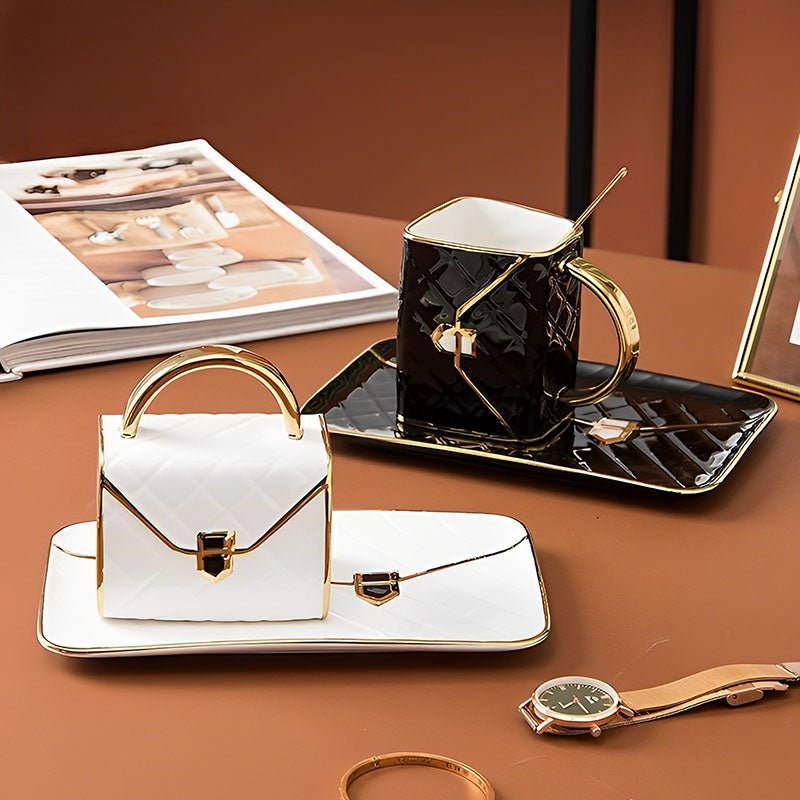
Best Tea Mug: What to Buy for Daily Tea, Desk Use, and Gifts
A practical guide to the best tea mug for everyday use, with material, size, handle, and care details that actually affect the drinking experience.
Read more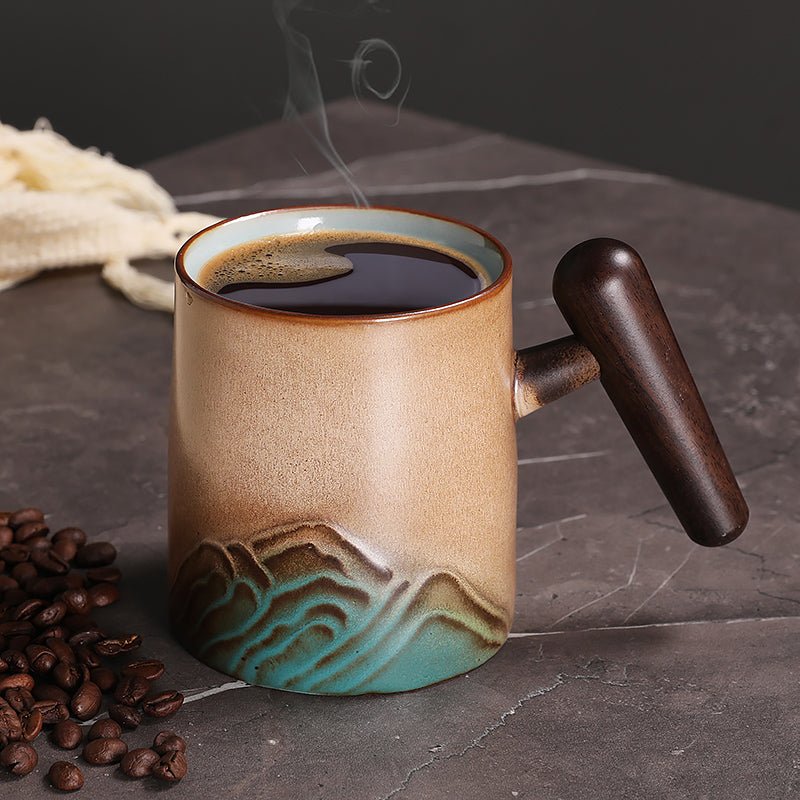
Bigfoot Coffee Mug Buyer’s Guide: What to Check Before You Buy
A practical guide to choosing a bigfoot coffee mug that looks good on a desk, feels right in hand, and holds up to regular use. We cover size, material, print durability, care, and the trade-offs t...
Read more
Los kommentaar
This site is protected by hCaptcha and the hCaptcha Privacy Policy and Terms of Service apply.