
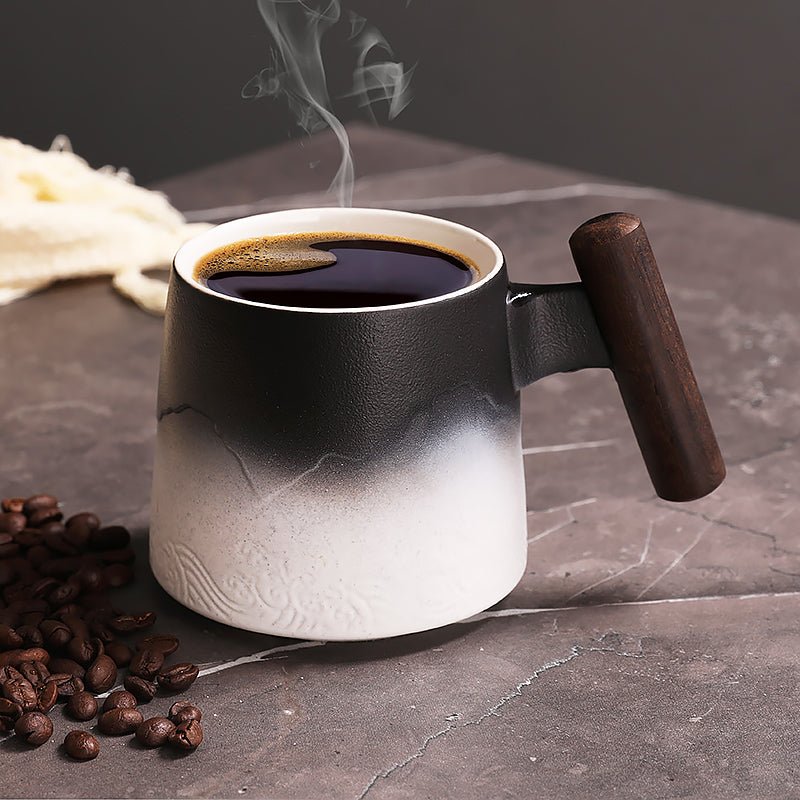
Company Logo Coffee Mugs: What Buyers Should Check Before Ordering
Reading time: about 10 minutes
A mug with a logo on it can look sharp on a desk. It can also look cheap fast if the print is too small, the mug feels flimsy, or the size is wrong for the person using it every morning.
That is the real decision behind company logo coffee mugs. Not just how the logo looks online, but how the mug feels in hand, how it handles dishwasher cycles, and whether it actually gets used after the first week. In our store, we see the same pattern over and over: buyers want something that feels professional, lasts through daily coffee refills, and still looks good when handed out at an office, conference, or client meeting.
If you are comparing options, start with the basics. Our full range is here at our products, and if you want to compare styles across the broader assortment, the all collections page is the quickest place to scan what fits your needs.
What should you check first on company logo coffee mugs?
The mug itself matters as much as the logo. A good imprint cannot save a mug that feels awkward, chips easily, or holds less coffee than the buyer expects.
Here is what we recommend checking before ordering:
- Material: Ceramic is the most common choice for everyday office mugs because it feels sturdy and photographs well. Stainless steel is better for travel or desk setups where heat retention matters more than classic presentation.
- Capacity: A 12 oz mug suits a standard drip coffee pour. A 16 oz mug gives more room for milk, foam, or a larger morning brew. For people who refill less often, 20 oz styles can make more sense. If you are comparing those sizes, our guides on 12 oz coffee mugs, 16 oz coffee mugs, and 20 ounce coffee mugs help narrow it down.
- Handle comfort: A handle that looks fine in photos can feel cramped when someone actually grips it. We always pay attention to finger clearance, especially for broader mugs.
- Print placement: Left side, right side, or centered placement changes how the logo reads when the mug is sitting on a desk or lifted for a sip.
- Care instructions: If the mug will be washed often in a dishwasher, choose a decoration method and finish that can handle regular cleaning without fading or losing gloss.
That last point gets skipped too often. A mug that looks great on day one but is not built for repeated washing is not a good office mug. It may still work as a short-term event giveaway, but not as the daily cup someone keeps at their workstation.
Which mug sizes work best for branding?
Size changes both the drinking experience and the branding space. A small mug can look refined. A larger one can make the logo more visible, but only if the mug still feels balanced.
In our experience, size choice usually comes down to use case:
| Mug size | Best for | Trade-off |
|---|---|---|
| 12 oz | Standard coffee drinkers, compact desks, clean presentation | Less room for large drinks, milk drinks, or extra foam |
| 16 oz | Daily office use, mixed coffee styles, more logo visibility | Bulkier in smaller cabinets and some hands |
| 20 oz | Heavy coffee drinkers, long meetings, fewer refills | Can feel oversized if the user prefers a lighter mug |
For gift boxes or onboarding kits, 12 oz and 16 oz are usually the safest picks. For a break room, a 16 oz mug often gets used more because it fits real routines better. We rarely recommend oversized mugs for formal client gifts unless the audience specifically likes large cups.
If your buyer is shopping by capacity first, our broader article on large capacity coffee mugs is useful for sorting out what feels practical versus what just looks big.
What materials make the best company logo coffee mugs?
Material is one of the easiest ways to separate a solid purchase from a regret.
Ceramic is still the workhorse for branded mugs. It feels familiar, takes print well, and looks right in offices, cafés, and conference rooms. A good ceramic mug should feel dense enough in the hand that it does not seem hollow or brittle. Thin ceramic is one of the common failure points we watch for because it often feels less substantial and can chip more easily around the rim.
Stoneware has a heavier, more artisanal feel. It can be a strong choice for premium gifts, but the trade-off is weight. Some buyers love that heft; others find it too heavy for daily desk use.
Stainless steel works better when heat retention matters more than a classic mug feel. It is not the best option if you want a traditional ceramic presentation with a printed logo on a meeting table.
For most company logo coffee mugs, we steer buyers toward ceramic first because it hits the sweet spot for office use, unboxing, and repeat washing. If you are buying for a brand that wants a more polished look, the finish matters too. Glossy mugs show logos clearly and look crisp on camera. Matte finishes can feel more modern, but they can show smudges or handling marks more easily.
Our team has found that the mug people keep is usually the one that feels balanced in the hand, not the one with the biggest logo.
How do you make sure the logo actually looks good on the mug?
The logo print can fail in a few predictable ways. It can be too small to read from normal desk distance. It can sit too high and disappear into the curve of the rim. Or it can clash with the mug color and lose contrast.
Before ordering, check these details:
- Logo size: Make sure the mark is large enough to read from arm’s length, but not so large that it wraps awkwardly around the mug.
- Artwork simplicity: Fine lines, tiny text, and narrow spacing are more likely to soften or blur than a simple, bold logo.
- Color contrast: Dark logos on light mugs are usually the safest. Light logos on dark mugs can look great, but only if the print method supports clear contrast.
- Placement consistency: If the mug will sit on desks in an office, think about how the logo appears from the user’s seated position and from someone standing across from them.
- Proof review: Always inspect the placement proof if one is provided. A logo can be technically correct and still look awkward if it is centered too low or too close to the handle.
We also tell buyers to think about how the mug will be photographed. A product that looks good on a desk lamp shot can still disappoint if the logo is cramped by the handle or hidden when someone holds it in the right hand.
What care details should you ask about before buying?
Care is where many branded mugs separate from everyday mugs. If your team will run them through dishwashers every week, the finish and decoration method should be chosen with that in mind.
Ask about these points before you place an order:
- Dishwasher safety: Confirm whether the printed logo is intended to withstand repeated dishwasher cycles.
- Microwave use: Some mugs are fine in the microwave, while others with metallic accents or certain finishes are not.
- Surface wear: Check whether the mug can handle stacking in cabinets without rubbing the print or chipping the rim.
- Packaging: If the mugs are being shipped as gifts, protective packing matters. A good mug can still arrive damaged if the box is weak.
Real-world use is harsher than a staged product photo. Office sinks get crowded. Dishwashers get overloaded. Mugs get stacked, knocked together, and left on desks with coffee rings around the base. A practical mug is one that still looks decent after all of that.
If you are comparing different mug styles for everyday use beyond logo printing, our article on Amazon coffee mugs is a helpful reference point for materials, size, and daily wear.
Are company logo coffee mugs good for offices, events, and client gifts?
Yes, but not for the same reason in every setting.
For offices: They work well when you want a shared, professional look in a break room or at individual desks. The best choice is usually a durable ceramic mug with enough capacity for daily use.
For events: Logo mugs are practical if you want something more useful than a flyer or paper item. Still, if shipping or hand-carrying matters, mug weight can become a real limitation.
For client gifts: A branded mug can be a smart, modest gift, but only if the print quality and packaging feel intentional. A cheap-feeling mug can send the wrong message.
What they are not ideal for: very light travel kits, ultra-minimal gift programs, or recipients who rarely drink hot beverages. In those cases, a different branded product may be a better fit. A mug only works as a gift when the recipient can picture using it the next morning.
How do company logo coffee mugs compare with other branded mug styles?
Some buyers start with a logo mug and then realize they actually want a different style. That happens a lot.
If your audience prefers a seasonal or lifestyle look, you may want to compare the feel of a branded mug against styles covered in our post on autumn coffee mugs. If you want a more playful tone, our guide to amusing coffee mugs explains why some mugs get used every day while others end up on a shelf.
Here is the practical difference:
- Company logo coffee mugs are best when brand visibility and everyday utility both matter.
- Decorative mugs can feel more personal, but they are not always the best vehicle for a clean logo.
- Large-capacity mugs are better for people who want fewer refills, but they can be too bulky for some desks and cabinets.
So the question is not just “Which mug looks best?” It is “Which mug will still be in use after a month of real mornings?”
Frequently asked questions
What size is best for company logo coffee mugs in an office?
For most office settings, 12 oz or 16 oz works best. A 12 oz mug feels compact and familiar, while a 16 oz mug gives more room for larger pours and milk drinks. If your team likes strong coffee or long meetings, 16 oz is usually the safer choice.
Are ceramic company logo coffee mugs dishwasher safe?
Many are, but not all finishes and print methods handle repeated dishwasher cycles equally well. We recommend confirming care instructions before ordering, especially if the mugs will be used every day in an office kitchen. If dishwasher use is a must, choose a mug designed for that level of wear.
Can company logo coffee mugs be used as client gifts?
Yes, and they often work well when the print quality and packaging feel polished. They are best for clients who will actually use a mug at home or at work. If the audience is more formal or travel-focused, another branded item may be a better fit.
What makes a logo look bad on a mug?
Most problems come from a logo that is too small, too detailed, or placed too close to the handle or rim. Low contrast between the logo and mug color can also make the design hard to read. A simple, well-spaced logo usually performs best.
What should I check before ordering company logo coffee mugs in bulk?
Check the material, size, print placement, care instructions, and packaging. If possible, review a proof so you can spot issues before production. Bulk orders are where small mistakes become expensive, so it helps to be strict on the details.
If you are ready to compare styles, start with the mug options on our products page and then use the full collection to narrow by size, finish, and overall look. A simple checklist helps: mug size, material, logo placement, care needs, and who will actually use it.
Read more
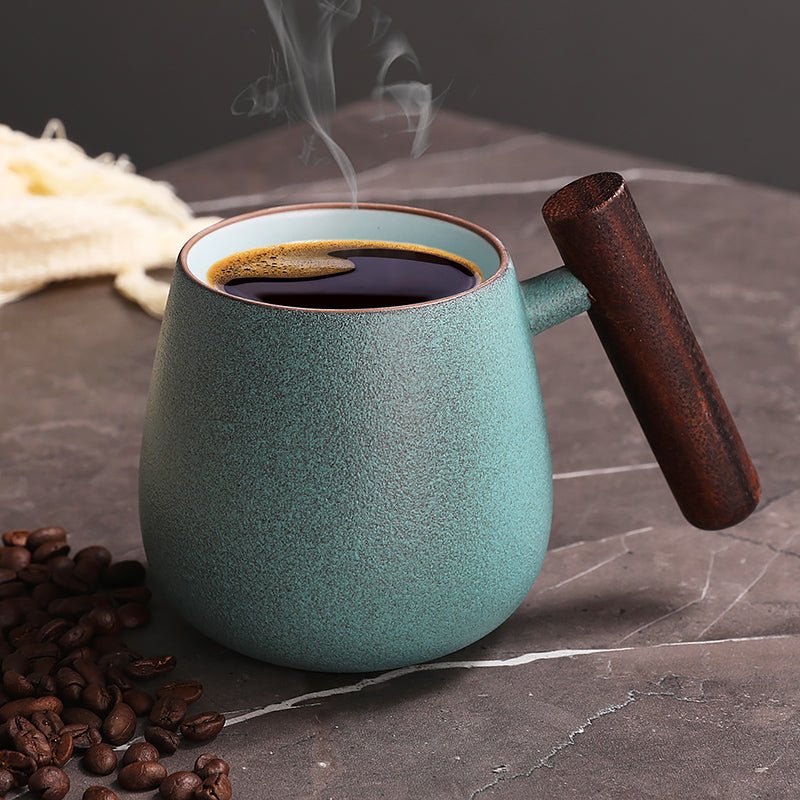
Best Coffee Mugs Travel: What to Buy for Commutes, Office Days, and Trips
A practical guide to the best coffee mugs travel shoppers should compare, with real trade-offs on leak resistance, heat retention, materials, and carry comfort. We break down what actually matters ...
Read more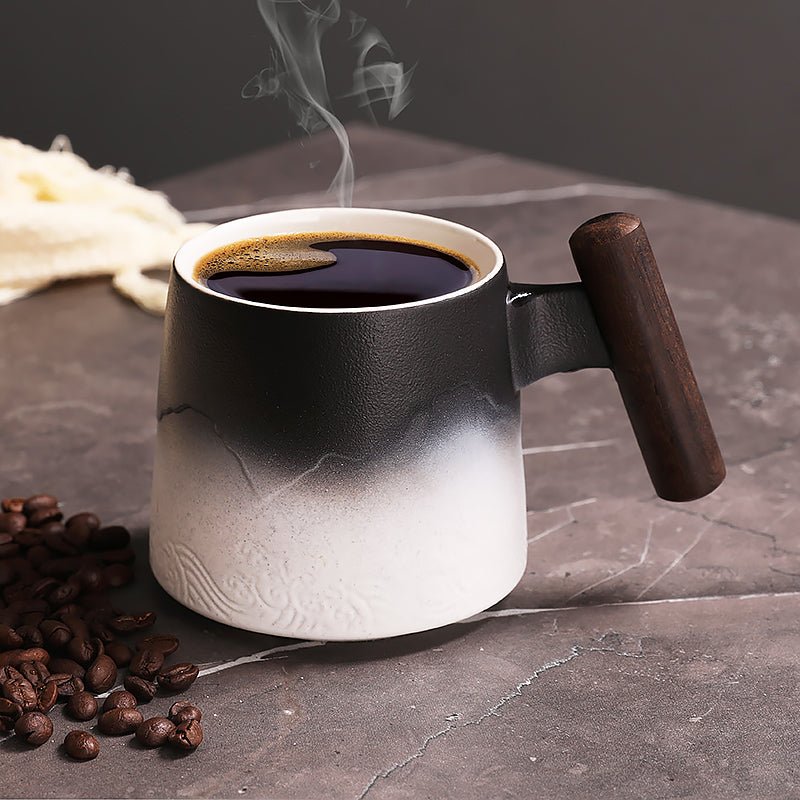
Logo Coffee Mugs: What Buyers Should Check Before Ordering
Logo coffee mugs work best when the print, mug size, and finish match how they’ll be used at desks, in break rooms, or as gifts. Here’s what we check before recommending one.
Read more
Los kommentaar
This site is protected by hCaptcha and the hCaptcha Privacy Policy and Terms of Service apply.