
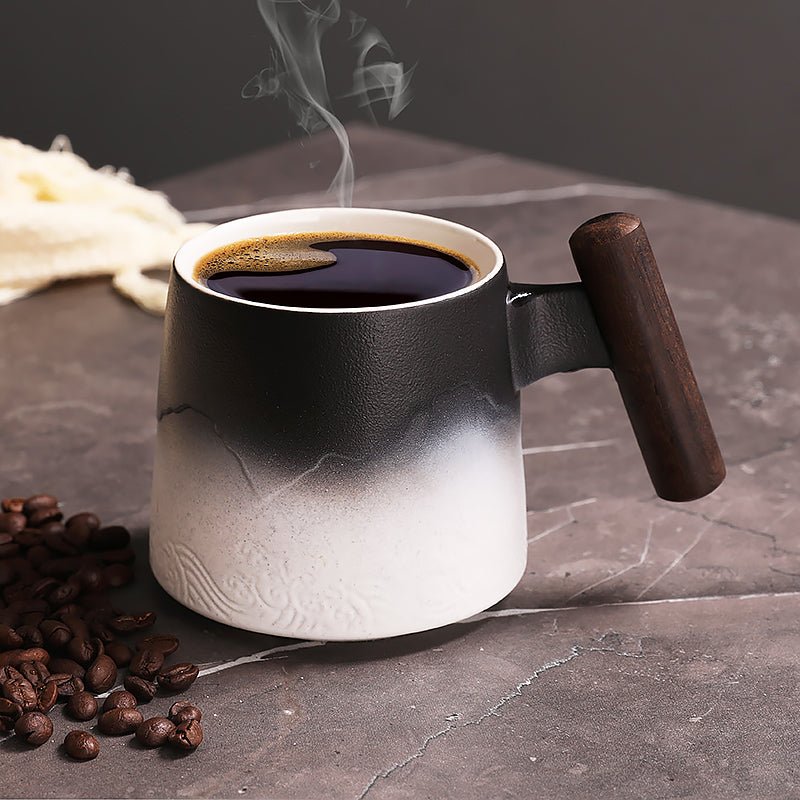
Coffee Portable Mug: What to Check Before You Buy
Reading time: about 11 minutes
A coffee portable mug usually fails in the same places: a lid that dribbles in the car, a body that’s too wide for the cup holder, or a finish that looks fine on day one and scuffs quickly after a week in a bag. We see those complaints often, which is why our team pays close attention to the small details that make a mug worth carrying every day.
If you are comparing options before buying, the right choice is less about a catchy design and more about how you actually drink coffee. A mug for the commute is not the same as a mug for the office desk, and neither is a great swap for a full travel tumbler. If you want to browse our current drinkware selection while you read, start at our product page or the full collection.
What makes a coffee portable mug worth buying?
The best coffee portable mug does three jobs well: it carries cleanly, it keeps coffee at a usable temperature long enough for your routine, and it is easy to wash without special treatment. That sounds basic, but the details matter.
In our experience, buyers are happiest when they match the mug to the real use case. A commuter needs spill control and a shape that fits a cup holder. Someone who works at a desk may care more about a lid that opens smoothly with one hand. A person packing coffee into a tote wants a tighter seal and a body that resists scuffs.
Here are the details we check first:
- Lid style: sliding, flip-top, or screw-on. Each one behaves differently when you’re walking, driving, or sipping at a desk.
- Body shape: tapered bases usually sit better in car cup holders than straight-sided mugs.
- Wall construction: double-wall insulation helps maintain temperature better than a single-wall cup, especially on longer commutes.
- Cleaning access: a lid with fewer small channels is easier to rinse and less likely to trap coffee oils.
- Outer finish: powder-coated or painted finishes can resist fingerprints better, but some can show scratches if tossed in a bag with keys.
A coffee portable mug is not the best choice for someone who wants a pure sipping mug for the kitchen table only. In that case, a standard ceramic mug may feel better. Our article on the best coffee mug: what actually matters for daily use is a useful comparison if you’re deciding between portable and stationary drinkware.
Which size works best for your routine?
Size is one of the easiest ways to end up with a mug you never reach for. Too small, and you’re refilling constantly. Too large, and the mug becomes bulky in a bag or too tall for some cup holders.
For many shoppers, the sweet spot is a mid-sized coffee portable mug that feels comfortable in the hand and does not take over the car console. But the right size depends on how you drink:
| Use case | What usually works best | Why it helps |
|---|---|---|
| Short commute | Smaller portable mug | Less bulk, lighter in a tote, easier to drink quickly |
| Office desk | Mid-size mug | Enough volume for a few slow sips without constant refills |
| Long drive | Travel-focused mug with tighter lid | Better spill control and better heat retention over time |
| Cold brew or milk drinks | Wider opening | Easier to add ice, cream, or cleaning tools later |
If you are torn between compact and larger options, our guides on 8 oz coffee mug: what to check before you buy and 20 oz coffee mug: what to check before you buy are useful because they show how capacity changes the real experience, not just the number on the listing.
One trade-off to keep in mind: a larger mug may hold more coffee, but it is not always easier to carry. If your bag is crowded or your cup holder is narrow, smaller can actually be more practical.
Which lid type is least annoying in real use?
Lid design is where a coffee portable mug either earns daily trust or gets left in the cabinet. A lid can look secure on a product page and still be frustrating in the car or at your desk.
We look at three things: how it opens, how it seals, and how easy it is to clean after a few uses. Coffee residue builds up fast in small channels and around sliders, especially if you drink flavored coffee or milk-based drinks.
Common lid styles and what they do well
- Flip-top lids: convenient for quick sips, but they must close firmly or they can leak in a moving vehicle.
- Slide lids: easy to use with one hand, though the sliding track can collect residue if not washed carefully.
- Screw-on lids: often better for bag carry and commuting, but slower to open when you want a fast drink at the desk.
We’ve found that a lid with a simple, accessible drinking opening is easier to live with than one that promises too many features. A tight seal matters, but so does ease of cleaning. If you have ever opened a lid after a few days and noticed coffee smell trapped inside, you already know why.
A coffee portable mug is not ideal if you want to sip while walking with one hand and never think about the lid. For that use, choose a lid that closes with a distinct, confident action and avoid designs with loose moving parts.
Does insulation really matter for short commutes?
Yes, but not always in the way buyers expect. Insulation is useful, yet it should match how long your coffee actually sits before you finish it.
For a ten-minute drive to the office, you do not need the most extreme temperature retention on the market. What matters more is whether the mug keeps the coffee warm enough through your first meeting and whether the outer body stays comfortable to hold. For a longer commute or late-morning sipping, double-wall construction becomes much more valuable.
Some mugs are built more for heat retention, while others focus on portability and easy handling. A highly insulated mug can also trap heat so well that the coffee stays too hot to drink right away. That is a real trade-off. If you like to sip immediately, you may prefer a mug that balances retention with faster cooling.
Practical scenario: at our store, we think about the buyer who pours coffee at home, takes it to the car, then leaves it on a desk for two hours. That person needs a mug that does not dump heat too fast, but also does not become a chore to open and close repeatedly.
What materials hold up best day after day?
Material affects more than looks. It changes weight, taste, durability, and even how the mug ages after repeated cleaning.
Most portable coffee mugs fall into a few common material categories:
- Stainless steel: durable, good for travel, and often used in insulated mugs. It is a strong choice for daily carry, but low-quality finishes can scratch.
- Ceramic-lined or ceramic: pleasant for taste and desk use, but heavier and less forgiving if dropped.
- Plastic components: often used in lids and seals. Useful, but the quality of the gasket and fit matters more than the label.
For many buyers, stainless steel is the best fit for a coffee portable mug because it balances durability and portability. Still, it is not perfect for everyone. If you dislike a heavier hand-feel or prefer a mug that stays on the table all day, ceramic may be more comfortable. If the mug will live mostly on a desk and rarely travel, that shift matters.
We also pay attention to seals and contact points. A lid gasket that sits unevenly can create small leaks over time. A base that is too smooth may slide on a glossy desk. These sound minor until you use the mug every workday.
How should you clean a portable coffee mug without ruining it?
Cleaning is one of the most overlooked buying factors. A mug that looks simple in photos can become annoying if it has narrow channels, hidden crevices, or a lid that needs careful disassembly after every use.
Our practical advice: choose a coffee portable mug you can rinse quickly after the first coffee of the day, then do a more thorough wash when needed. If the product is dishwasher safe, that helps, but we still recommend checking the lid parts because seals and moving pieces often need more attention than the body itself.
Useful care habits:
- Rinse the mug soon after finishing coffee so oils do not stick.
- Wash the lid separately if it has a slider, flip mechanism, or gasket.
- Let all parts dry fully before reassembly to reduce lingering odor.
- Avoid harsh scrubbing on coated finishes if you want the exterior to keep its look.
A mug that is easy to clean is often the mug people keep using. That matters more than a fancy feature list. If your morning is already busy, you will not enjoy a cup that takes extra work to maintain.
Is a coffee portable mug a good gift?
It can be, but only if you know the recipient’s routine. A portable mug is a practical gift for commuters, office workers, students, and anyone who keeps coffee near a laptop. It is less useful if the person mostly drinks from a home ceramic mug or prefers iced drinks with a straw lid.
In our experience, the best gift choices have two qualities: a neutral design and a shape that is easy to use immediately. Avoid gift picks that depend on the recipient liking a very specific color, oversized handle, or unusual lid style. If you want a safer gift route, a classic mug from our all collections page can be easier to match to different habits.
Gift buyers should also think about unboxing. A portable mug should feel sturdy out of the box, not flimsy or overcomplicated. The first impression matters, but so does the second week of use when the person decides whether it fits their car and bag.
What should you compare before you click buy?
Before choosing a coffee portable mug, compare the details that affect everyday use, not just the photos.
- Lid seal: will it hold up in a bag or car holder?
- Shape: does the base fit standard cup holders?
- Size: is it enough coffee for your actual routine?
- Cleaning: can you rinse the lid without special tools?
- Material: do you want stainless steel durability or a different feel?
- Use case: office, commute, errands, or home-only?
If you want a broader buying framework, our post on awesome coffee mugs: how to choose a mug you’ll actually use helps you compare comfort, size, and daily habits before you pick a style.
The right portable mug is not the one with the most features. It is the one you reach for without thinking because it fits your routine, your cup holder, and your cleaning habits.
Frequently asked questions
What is the best coffee portable mug for commuting?
The best commuting mug usually has a secure lid, a tapered base, and a body that does not feel oversized in the hand. A screw-on or tightly sealed flip lid is usually safer for bag carry than a loose slide-top design. If you drive often, check that it fits standard cup holders before buying.
Is a stainless steel coffee portable mug better than plastic?
For most daily use, stainless steel is the stronger choice because it holds up better to repeated use and cleaning. Plastic may be lighter, but the lid quality and seal matter more than the material alone. If you want a mug for hot coffee on the go, stainless steel is usually the safer long-term pick.
Can I put a coffee portable mug in the dishwasher?
Some are dishwasher safe, but not all lids and finishes handle it the same way. We recommend checking both the body and the lid parts before washing. If the mug has a coated exterior or a complex lid, hand washing often keeps it looking better longer.
What size coffee portable mug should I buy?
Choose the size based on how much coffee you actually drink before refilling. A smaller mug is easier to carry and often fits better in a cup holder, while a larger one works better for long shifts or slow mornings. If you are unsure, start with a mid-size option that balances portability and capacity.
Why does my portable mug taste like old coffee?
That usually means coffee oils are building up in the lid, gasket, or drinking channel. Wash the lid carefully and let all parts dry fully before reassembling. If the lid has hidden crevices, it may need more frequent cleaning than the body of the mug.
If you are ready to compare styles, start with the current product lineup and use the checklist above to narrow it down. Focus on lid type, size, and cleaning first; those three choices usually decide whether a coffee portable mug becomes a daily staple or sits unused in a cabinet.
More from our blog
Read more
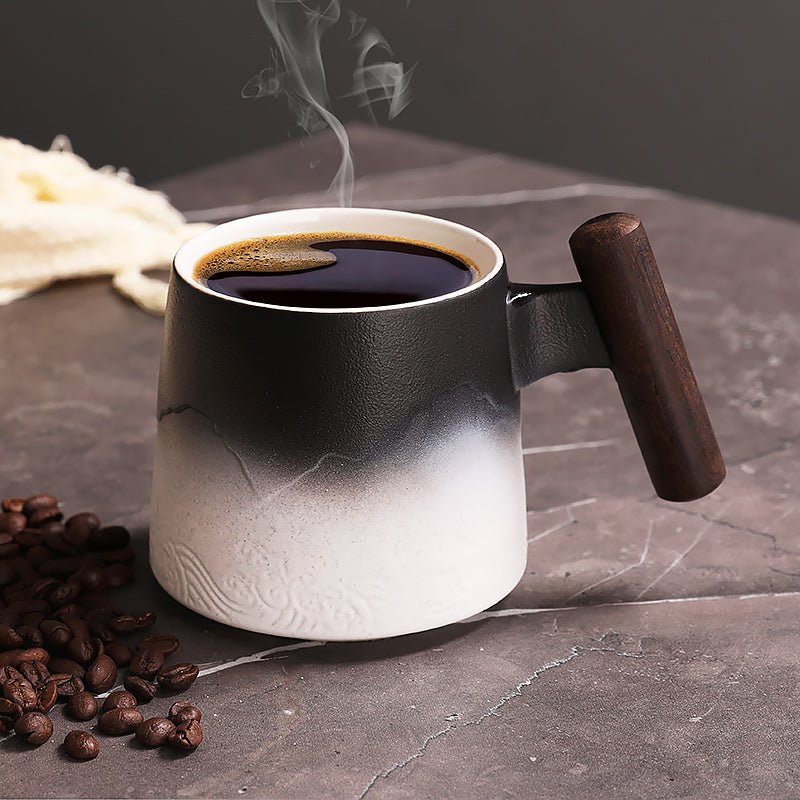
Warming Coffee Mug: What to Check Before You Buy
A warming coffee mug should keep your drink comfortable long enough to finish it, without making the coffee taste cooked. Here’s what to check on material, size, care, and real daily use before you...
Read more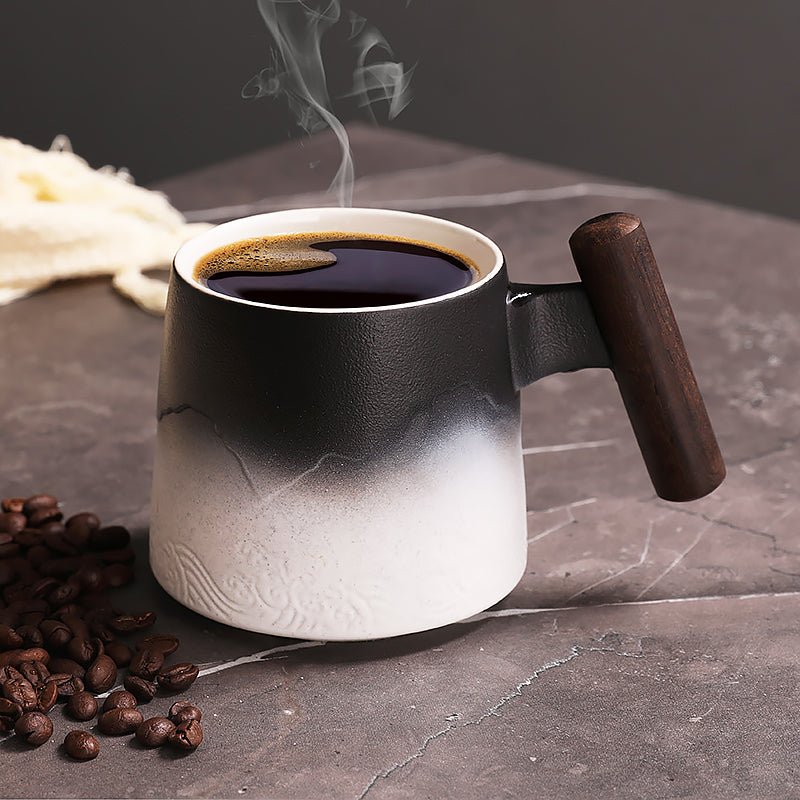
Coffee Warmer Mug Buyer’s Guide for Desk, Home, and Office Use
A practical guide to choosing a coffee warmer mug that actually fits your mug, your desk setup, and how you drink coffee. We cover real trade-offs, what to check before buying, and when a different...
Read more
Los kommentaar
This site is protected by hCaptcha and the hCaptcha Privacy Policy and Terms of Service apply.