
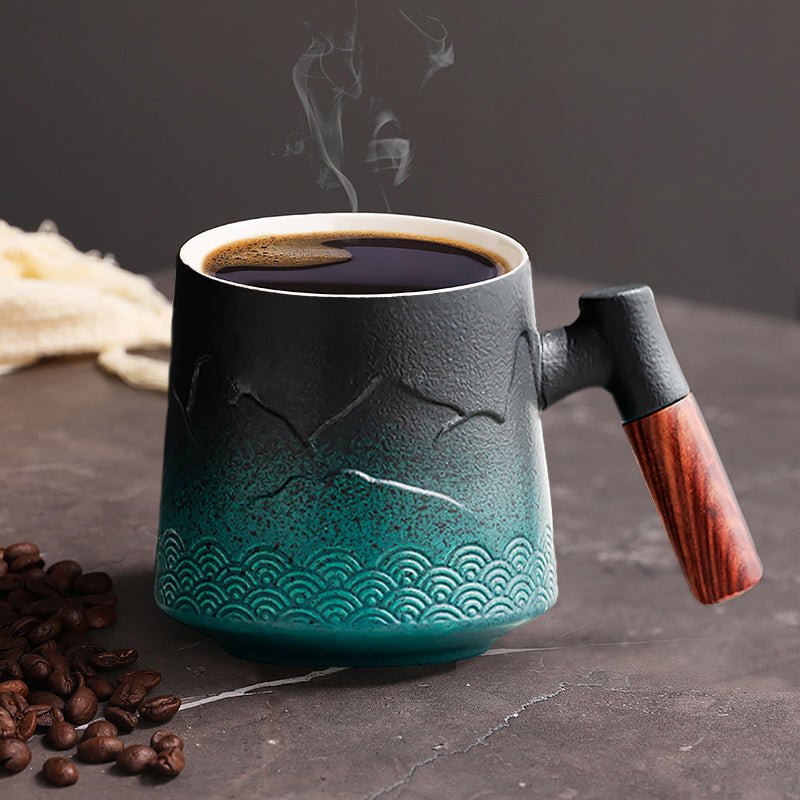
Coffee Mugs with Logos: How to Choose the Right One
Reading time: about 11 minutes
A logo mug looks simple on a product page. On a desk, in a break room, or unboxed as a gift, the details decide whether it feels polished or cheap. We see that difference all the time in our store: the best coffee mugs with logos have a comfortable handle, a print that still reads clearly after repeated washing, and a shape that fits the way people actually drink coffee.
If you are comparing options for office use, client gifts, or everyday home mugs, the real questions are practical. What material will hold up? How big should it be? Will the logo still look sharp after dishwasher cycles? Those are the details that matter more than a pretty mockup. If you want to browse current styles while you read, start with our products page or compare the full selection in our collection.
What should a good logo mug actually do?
A strong logo mug does three jobs at once. It needs to look branded without feeling busy, it needs to survive regular use, and it needs to be comfortable enough that people keep reaching for it. A mug that only looks good on a shelf is not a good buy for most shoppers.
In our experience, the mugs that sell best are the ones that balance visual impact with daily utility. A logo should be easy to read from across a conference table, but it should not wrap so far around the mug that it gets lost when the mug is held in the right hand. The body should feel stable on a flat desk, and the handle should leave enough space for an adult hand without forcing the fingers into the cup wall.
When we check coffee mugs with logos, we look for these basics:
- A smooth glaze or finish that does not show obvious flaws around the print area
- A handle shape that gives a real grip, not just a decorative loop
- A print or decoration method that matches the use case, especially if the mug will be washed often
- A rim that feels comfortable on the lip, since a sharp or uneven rim ruins the experience fast
- A size that matches the drink the buyer actually makes, not just the size that sounds best on paper
That last point matters more than people expect. A mug can look strong in a listing and still be the wrong choice if it is too tall for a pod machine, too heavy for a commute, or too wide for a small hand. If sizing is the first question on your list, our related guides on 12 oz coffee mugs, 16 ounce coffee mugs, and 20 ounce coffee mugs cover the size trade-offs in more detail.
Which material works best for coffee mugs with logos?
Material affects weight, heat retention, durability, and how the logo looks after use. Most shoppers compare ceramic, stoneware, and sometimes stainless steel. For desk mugs and gift mugs, ceramic and stoneware are still the most practical choices because they feel familiar, photograph well, and usually present logos cleanly.
| Material | What it does well | Trade-offs |
|---|---|---|
| Ceramic | Clean look, smooth print surface, common for office and gift use | Can chip if knocked against sinks or counters |
| Stoneware | Heavier feel, sturdy in hand, often has a more substantial presence | Can feel bulky for smaller hands |
| Stainless steel | Good for travel and temperature retention | Not ideal for a classic logo mug look, and some buyers prefer not to drink from metal indoors |
We usually steer shoppers toward ceramic or stoneware for coffee mugs with logos because the brand mark is part of the experience. Ceramic gives a clean, straightforward surface for printed logos. Stoneware can feel more premium and grounded, which works well for office desks or gift boxes, but it is usually heavier. That added weight is nice on a desk and less nice if someone wants a lighter mug for daily kitchen use.
There is no universal winner here. If the mug will live at a receptionist desk, on a meeting table, or inside a gift basket, a heavier stoneware mug can feel intentional. If it will be stacked in an office kitchen, passed around a lot, or used by people who prefer a lighter cup, ceramic is easier to live with. Stainless steel belongs in a different category entirely. It is useful for travel, but it is not what most buyers mean when they search for coffee mugs with logos.
How does size and shape affect the logo and the drink?
Size changes more than capacity. It changes the visual balance of the logo, the comfort of the handle, and how much room is left for foam, cream, or a full pour. A 12 oz mug usually feels compact and classic. A 16 oz mug gives more room for a larger morning coffee. A 20 oz mug starts moving toward oversized, which can be helpful for long desk sessions but not ideal if the buyer wants a lighter, traditional mug.
The shape matters just as much. Straight-sided mugs give the logo more predictable placement. Slightly tapered mugs can look elegant, but the print area is less forgiving because the design may appear to wrap or narrow as the body curves. If you are comparing those options, our other buying guides on 14 ounce coffee mugs and 16 oz coffee mugs are useful companions because they show how a few ounces can change the real feel of the mug.
Here is how we think about it in practice:
- Choose 12 oz if the buyer wants a familiar coffee-shop size and a mug that feels compact on a desk.
- Choose 14 oz to 16 oz if the buyer usually makes larger pours or wants a mug that feels substantial without being oversized.
- Choose 20 oz only if the goal is maximum capacity and the mug will not feel awkward in the hand or too tall for the cabinet, machine, or shelf.
One practical warning: a bigger mug is not always better for a logo. The larger the surface, the more important print placement becomes. A logo that looks balanced on a smaller mug can look strangely low or too small on a tall one. That is why we look at the body shape and the logo placement together, not separately.
What print details should you check before ordering?
A logo mug can fail in a few predictable ways. The print can look too faint, the edge can blur near the curve of the mug, or the design can chip at the rim if the decoration method and glaze do not work well together. None of those problems are acceptable on a mug that is supposed to represent a brand.
We recommend checking these details before you buy:
- Print placement: The logo should sit where the eye expects it, usually centered or slightly off-center in a way that still looks intentional from both hands.
- Contrast: Light logos on light mugs can disappear in certain kitchen lighting. Dark-on-light is usually easier to read.
- Finish: A glossy finish often makes colors pop, while a matte finish can feel more modern but may soften the print visually.
- Edge behavior: The logo should not crowd the handle or drift into a curve where it becomes hard to read.
- Dishwasher reality: If the mug will be washed often, the decoration method should be chosen with that use in mind instead of assuming handwashing will always happen.
We are careful about this in our store because a logo mug is not just a mug. It is a small branded object that gets used in kitchens, offices, and meeting rooms where people notice details. A crisp logo on a mug with a clean glaze reads as professional. A print that is misaligned or washed out does the opposite.
One reason buyers return to logo mugs is consistency. If the first mug looks right in a gift box and still looks right after a week on a desk, that is the product doing its job.
Are coffee mugs with logos a good gift or office item?
Yes, but only if the mug matches the setting. For office use, coffee mugs with logos work best when they are durable, easy to identify, and not so oversized that they clutter a shared kitchen shelf. For gifts, they work when the logo feels personal or relevant to the recipient instead of just promotional.
We have seen logo mugs succeed in three common situations:
- Welcome kits for new employees, where the mug feels useful on day one
- Client gifts, where the mug carries a clean brand mark without feeling overly promotional
- Team events and giveaways, where the mug needs to be practical enough that people actually keep it
They are not the best choice for every audience. If the recipient prefers insulated travel drinkware, a standard ceramic mug may stay in the cabinet. If the buyer wants something for commuting, a logo mug is the wrong format. If the goal is a luxury gift, the mug should be paired with strong packaging, because the product alone is functional rather than extravagant.
For shoppers building a broader product set, our full collection is the fastest way to compare styles side by side. That matters when the same logo needs to work across different mug sizes or when a buyer wants to match a mug to a larger branded setup.
How should logo mugs be cleaned and cared for?
Care is where many good mugs become disappointing. A mug that looks excellent on day one can start looking tired if the finish stains, the print fades, or chips appear from rough handling around the sink. The safer approach is simple: treat the mug like a daily-use item, not a display piece.
In our experience, the best care routine is straightforward:
- Rinse the mug soon after use so coffee oils do not set into the surface.
- Use a soft sponge rather than an abrasive scrubber unless the mug is specifically made for rough cleaning.
- Keep the mug out of crowded sink piles where handles and rims knock together.
- If the print is a specialty finish, follow the care guidance that comes with the product rather than assuming every mug can take the same treatment.
- Dry it fully before stacking, especially in office kitchens where moisture can linger in a cabinet.
Dishwasher use is a big buying factor. Some shoppers assume every logo mug should be treated the same way, but that is too broad. Repeated wash cycles, strong detergent, and contact with other dishes can shorten the life of a decorative finish. If a buyer wants the lowest-maintenance option, we point them toward mugs and decoration methods that are meant for daily washing rather than delicate display use.
These mugs are not a great fit for people who want a fragile, artisan look and expect to baby it. That is a valid preference, but it is a different purchase. Coffee mugs with logos are usually bought to be handled, washed, and used regularly. They should still look good after that.
What should you compare before you buy from a store?
Before you place an order, compare the mug the way a real user will experience it. A good listing should help you do that, but you still need a short checklist. We use one ourselves because it keeps the decision practical.
- Intended use: Desk mug, gift mug, office kitchen mug, or everyday home mug
- Capacity: 12 oz, 14 oz, 16 oz, or 20 oz depending on how much coffee the buyer really drinks
- Shape: Straight-sided for cleaner logo placement, tapered for a softer visual profile
- Finish: Glossy for brighter branding, matte for a more subdued look
- Care expectations: Dishwasher-friendly use versus more careful handling
- Brand fit: The logo should make sense on the mug without looking like a label slapped onto the surface
That checklist is the difference between a mug that gets used and a mug that gets tucked into the back of a cabinet. If you are unsure where to start, our size-focused articles on 8 ounce coffee mugs and the larger 20 oz guide can help you narrow the field before you settle on the logo style.
Frequently asked questions
What size coffee mugs with logos do most offices buy?
Most offices choose sizes in the 12 oz to 16 oz range because they fit common coffee habits without taking over a desk or cabinet. That range also gives enough surface area for a logo to stay readable. Larger mugs can work, but they are easier to misplace and harder to store.
Are coffee mugs with logos dishwasher safe?
Some are, but not all logo decorations age the same way in a dishwasher. If the mug will be washed often, choose one made for repeated cleaning rather than assuming every printed surface will hold up. Heat, detergent, and contact with other dishes all affect long-term appearance.
What material is best for a branded mug gift?
Ceramic is the safest all-around choice for a branded gift because it looks clean, feels familiar, and works in most settings. Stoneware is a good option if you want a heavier, more grounded feel. Stainless steel is usually better for travel than for a classic logo mug gift.
Can a logo mug work for client gifts?
Yes, if the logo is subtle, the mug is well made, and the presentation feels intentional. A mug that looks rushed or overly promotional will not land well. For client gifting, the finish and print quality matter as much as the logo itself.
What should I avoid when buying coffee mugs with logos?
Avoid mugs with awkward handle spacing, a cramped logo, or a finish that looks prone to wear from day one. Also avoid choosing size by guesswork. A mug that is too large, too heavy, or too narrow for the intended user will not get used.
If you are comparing options now, start with the size guide that best matches your audience, then check the logo placement and care expectations before you order. From there, browse our products page or move through all coffee mugs to find the right fit.
More from our blog
Read more
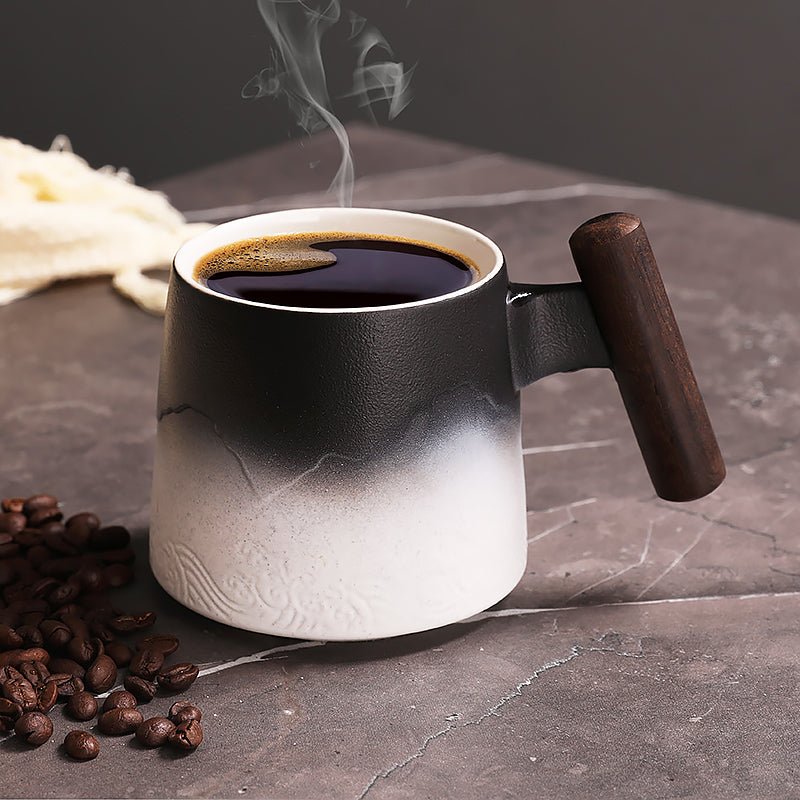
Coffee Mug Tree Holder: How to Choose the Right One for Your Counter
A coffee mug tree holder can clear counter clutter fast, but only if the base, arm spacing, and finish match the mugs you actually use. We break down the trade-offs so you can pick one that stays s...
Read more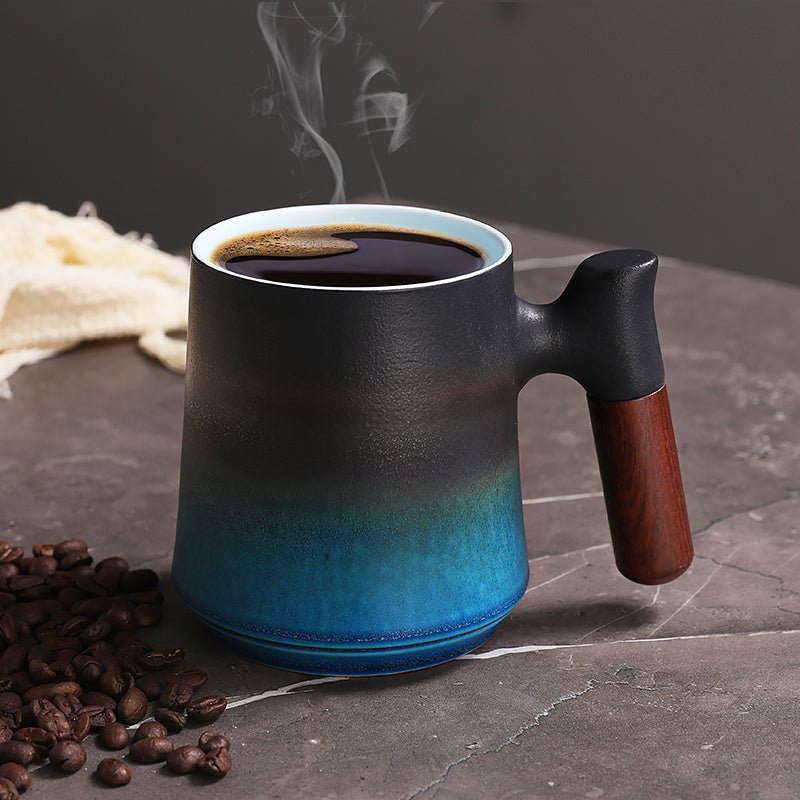
Costco Coffee Mugs: What to Check Before You Buy
Costco coffee mugs can be a practical buy if you compare size, handle comfort, finish, and care before you order. We break down the details that matter for daily coffee, office use, and gift sets.
Read more
Los kommentaar
This site is protected by hCaptcha and the hCaptcha Privacy Policy and Terms of Service apply.