
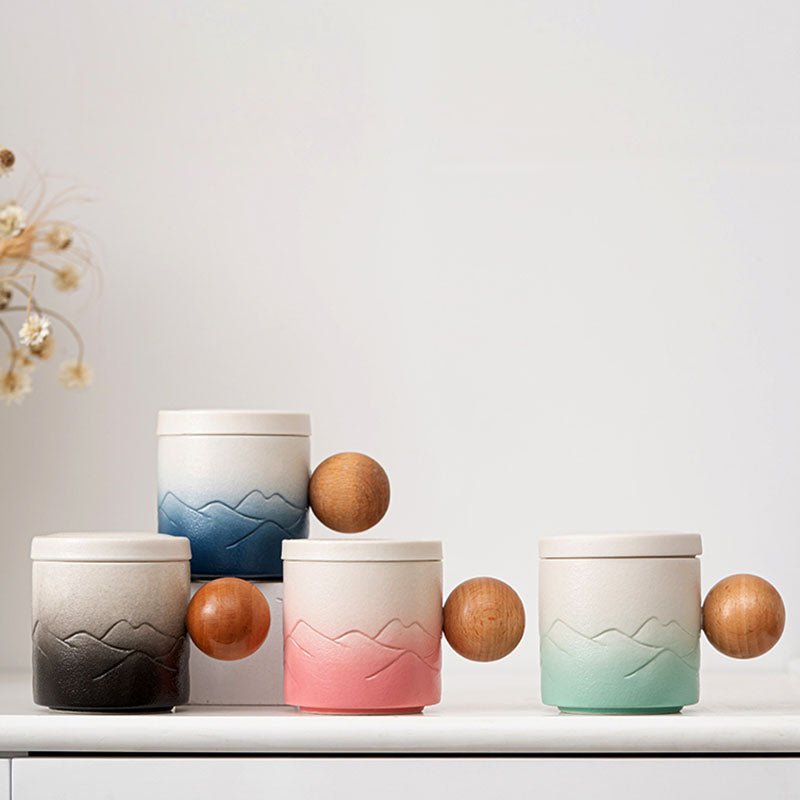
Coffee Mugs Vintage: What to Buy for Daily Use and Display
Reading time: about 9 minutes
What should you expect from coffee mugs vintage before you buy?
A good vintage-style mug should do two jobs at once. It needs to feel comfortable in the hand at breakfast, and it needs to hold up when it gets used every day on a real kitchen counter. In our store, we look at coffee mugs vintage the same way shoppers do: by how they handle heat, how they feel at the lip, and whether the shape actually works with a normal coffee routine.
That is where a lot of buyers get caught. Some mugs look perfect in photos but feel awkward once you fill them. Others have a charming retro profile but a narrow base that makes them easy to knock over on a desk. If you want a mug for daily use, the style matters, but so do practical details like wall thickness, handle clearance, and how the glaze behaves after repeated washing.
For shoppers comparing options, our Retro Coffee Tea Cup is a useful reference point because it shows what a vintage-inspired mug can do without becoming fragile or fussy. If you want to see more options in one place, start with our full collection and compare silhouettes before you settle on one look.
Which vintage style works best for daily coffee?
Not every retro shape fits the same drinker. Some styles are made for visual appeal first. Others are better at holding heat, sitting comfortably in the hand, and fitting into a normal dishwasher rack. Here is how we think about the most common buying decisions.
- Rounded diner-style mugs: easy to hold, stable on a table, and usually the best choice if you want a dependable everyday cup.
- Tapered or cone shapes: visually sharp and very classic, but they can feel less secure if the base is narrow.
- Thicker ceramic mugs: better at keeping coffee warm for a bit longer, though they add weight.
- Lightweight cups with delicate rims: attractive for display, but not ideal if you want something you can use quickly before work.
If you are buying for a bedside coffee setup, office desk, or gift box, the right style is usually the one that is easiest to live with. A mug that looks great on a shelf but gets ignored in the cabinet is not a good purchase. For readers comparing daily-use options, our article on Vintage Coffee Mugs: How to Choose the Right One for Daily Use covers that trade-off in more depth.
We also see shoppers crossing over from Irish coffee styles into vintage mugs because they like the stemmed or glass look. That can work well for presentation, but it is not always the best choice for a mug you want to grab every morning. If that is your comparison set, our guide to Vintage Irish Coffee Mugs: What to Check Before You Buy is worth reading before you decide.
What materials and finishes are worth paying attention to?
Material is where the practical differences show up. Most coffee mugs vintage are ceramic or stoneware, and that is usually the safest starting point for everyday use. Ceramic and stoneware give you enough wall thickness to feel sturdy, and they tend to handle regular washing better than more decorative materials.
There are a few details we check before we recommend a mug to a customer:
- Glaze consistency: a smooth, even glaze is easier to clean and less likely to show staining from coffee oils.
- Rim comfort: a thin or chipped-looking rim can ruin the drinking experience, even if the mug looks beautiful.
- Handle attachment: the handle should leave enough room for two or three fingers without squeezing the knuckles against the mug wall.
- Base stability: a flat, wide enough base matters if the mug will live on a crowded desk or kitchen shelf.
Vintage-style finishes can also be a mixed bag. Matte glazes look great, but they may show marks sooner than glossy ones. Speckled or reactive finishes add character, yet they can vary slightly from piece to piece. That is not a flaw if you want a handmade look. It is a drawback if you expect every mug in the set to match exactly.
One thing we tell shoppers plainly: a highly decorative mug is not always the best pick for heavy office use. If you are microwaving coffee constantly, loading it into a busy dishwasher, or stacking cups in a tight cabinet, go for simpler construction over ornate styling. For shoppers who want a style-first but still practical reference, our post on Vintage Coffee Mugs: How to Choose the Right Style, Size, and Finish breaks down these finish choices clearly.
How big should a vintage coffee mug be?
Size is one of the easiest ways to get this wrong. Too small, and your coffee cools before you finish it. Too large, and the mug feels oversized for a normal pour. For many buyers, the sweet spot is a mug that can handle a standard daily serving without looking like a soup bowl.
We usually think about capacity in practical terms rather than abstract ounces. A mug around the everyday range works well for drip coffee, tea, or a shorter pour from a home machine. A larger mug can be useful if you take cream, milk, or a lot of room for foam. But a bigger mug also means more surface area for heat loss, so it is not always better.
If you want a quick way to compare, use this simple checklist:
- If you drink coffee slowly at a desk, choose a mug with a stable base and enough room to avoid sloshing.
- If you want the mug to feel hand-sized and cozy, avoid oversized barrel shapes.
- If you like tea as much as coffee, choose a versatile cup shape that is not overly narrow.
- If the mug is a gift, pick a neutral size that works in most kitchens rather than a specialty shape.
We see this come up often in gift buying. The safest vintage-inspired mug is usually the one that feels familiar, not the one that looks the most dramatic in a product photo. If size is your main question, our article on 12 oz Coffee Mugs: How to Choose the Right Mug for Daily Use gives you a useful benchmark for everyday drinking.
What problems should you check for before ordering?
Vintage style should not mean you accept sloppy construction. We inspect drinkware for the same common issues shoppers run into after the box arrives: uneven glazing, handle stress, wobble on flat surfaces, and finish wear after washing. Those are the details that separate a pleasant mug from one that ends up in the back of the cabinet.
Watch for these common drawbacks:
- Visible wobble: if a mug does not sit flat, it can feel unsafe on a laptop desk or glass table.
- Poor handle geometry: a handle can look right but still pinch fingers if the opening is too tight.
- Thin spots in the glaze: these can make a mug feel less durable and may age unevenly.
- Overly decorative surfaces: textured finishes can catch residue if you are washing by hand in a hurry.
Care matters too. A ceramic mug that is fine for everyday use still benefits from basic habits: avoid sudden temperature changes, do not slam it onto stone counters, and give it enough room in the dishwasher so the handle is not rubbing against another cup. That kind of practical handling matters more than marketing language.
For buyers who like the specific history and look of a certain brand style, our article on Princess House Irish Coffee Mugs: Buyer Guide for Vintage Shoppers is a good example of how to evaluate vintage appeal without ignoring usability.
Which vintage mug is best for your use case?
Different buyers need different answers. A mug for a home office should be stable and easy to sip from. A mug for a guest shelf can be more decorative. A gift mug should feel special, but it should not be so delicate that the recipient worries about using it.
| Use case | Best mug traits | What to avoid |
|---|---|---|
| Daily kitchen use | Comfortable handle, stable base, smooth glaze, easy cleaning | Very narrow bases, rough textured finishes, overly delicate rims |
| Desk or office mug | Balanced weight, moderate capacity, low spill risk | Tall top-heavy shapes, fragile handles, highly glossy surfaces that show every mark |
| Gift purchase | Classic silhouette, versatile size, broadly appealing finish | Highly niche shapes unless you know the recipient's taste |
| Display-first collection | Distinctive glaze, retro profile, strong visual identity | Expecting it to behave like a plain everyday mug |
That last point matters. A display piece can be wonderful, but it is not always the best daily driver. We try to be clear about that in our store because buyers are often choosing between beauty and practicality, not getting both perfectly. If you want to browse the broader styles before deciding, start from the collection page and compare shape, finish, and intended use side by side.
How do vintage coffee mugs fit into a real kitchen routine?
We see these mugs used in very ordinary settings: a morning pour at the kitchen island, a quick refill between meetings, a late-night tea on the couch, or a gift unboxed and put straight onto open shelving. That is exactly why the details matter. A mug does not need to be delicate to feel special, and it does not need to be plain to be dependable.
In our experience, the best coffee mugs vintage are the ones that can move through a normal routine without asking for special treatment. They should feel comfortable to grip with one hand, rinse clean without lingering stains, and look good enough that you do not want to hide them in a cabinet. If a mug only works for photos, it is not the right mug for most buyers.
That said, vintage-inspired mugs are not always the best choice for someone who wants ultra-light travel drinkware, stackable office tumblers, or a very large oversized latte vessel. In those cases, a different mug style will serve you better. The point is not to force vintage style into every use case. The point is to pick the style that fits how you actually drink coffee.
Frequently asked questions
Are coffee mugs vintage styles good for everyday use?
Yes, if the mug has a stable base, a comfortable handle, and a smooth finish that cleans easily. We recommend choosing vintage-inspired mugs that feel sturdy in the hand rather than purely decorative pieces with thin rims or awkward proportions.
What material is best for coffee mugs vintage?
Ceramic and stoneware are the most practical choices for daily use. They usually balance heat retention, durability, and comfort well, while still giving you the retro look shoppers want.
Should I choose a matte or glossy vintage finish?
Glossy finishes are usually easier to wipe clean and tend to show less residue. Matte finishes can look richer and more handmade, but they may show marks sooner and need a little more care.
What size vintage coffee mug is best for most people?
A medium everyday mug is usually the safest choice for most buyers. It gives enough room for a standard pour without feeling oversized, and it works for coffee, tea, and gift giving.
Do vintage-style mugs need special care?
Not usually, but basic care helps them last longer. Avoid sudden temperature changes, give them space in the dishwasher, and do not use abrasive scrubbers on decorative glazes unless the surface calls for it.
If you want the easiest next step, compare the mug shape you like with the way you actually drink coffee. Then start with the Retro Coffee Tea Cup for a practical vintage-style option, or browse the full collection to line up a few styles before you buy.
Read more
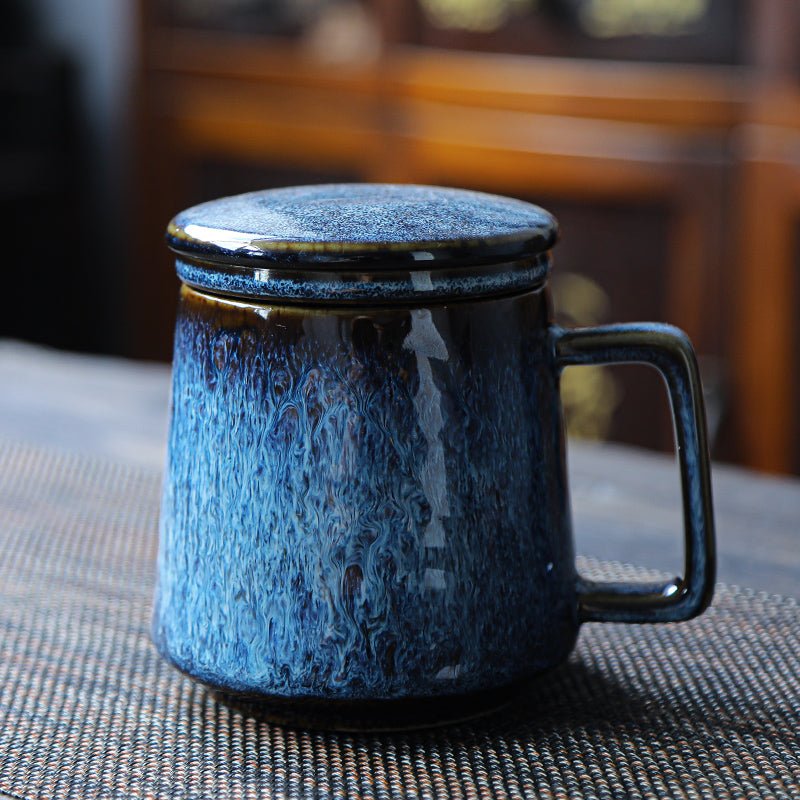
Blue Willow Coffee Mugs: What to Check Before You Buy
Blue willow coffee mugs look simple until you start comparing glaze quality, print clarity, handle comfort, and size. Here’s what we check in real use so you can choose a mug that looks right and h...
Read more
LA Dodgers Coffee Mug: What to Check Before You Buy
A la dodgers coffee mug should feel solid in the hand, hold the right amount of coffee, and hold up to regular washing without chipping early. We break down size, material, care, and the trade-offs...
Read more
Los kommentaar
This site is protected by hCaptcha and the hCaptcha Privacy Policy and Terms of Service apply.