
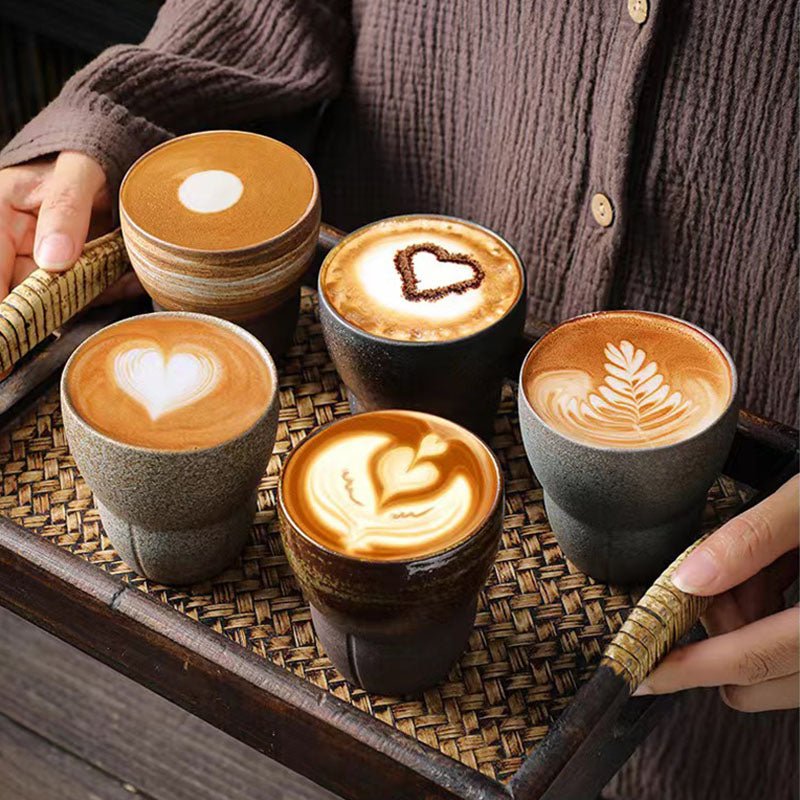
Coffee Mugs Retro: Style, Size, and Material Buying Guide
Reading time: about 9 minutes
We see it all the time: a mug looks great online, then feels wrong the first time it sits under a coffee machine, hits a desk edge, or goes through a dishwasher cycle. That is usually where coffee mugs retro either earn a place in the cabinet or get pushed to the back of the shelf.
If you are comparing retro styles, the real question is not just how the mug looks. It is how the shape fits your hand, how much coffee it actually holds, and whether the finish and handle work for daily use. Our team handles this category regularly, so we focus on the details that shoppers notice after the unboxing, not just in the product photo.
If you already know you want a retro look and want to shop first, start with our Retro Coffee Tea Cup or browse the full collection to compare styles.
What makes coffee mugs retro feel different from a standard mug?
Retro mugs usually lean on shape, color, and surface finish more than decoration alone. A rounded body, a thicker rim, a vintage color palette, or a slightly tapered base can make the mug feel older in style even if it is made for modern kitchens.
In our experience, shoppers usually notice three things first:
- The silhouette: A squat, rounded mug feels nostalgic. A tall straight-sided mug feels more modern, even if the color is retro.
- The rim and handle: A slightly thicker lip can make a mug feel sturdy, while a narrow handle may look elegant but can be less comfortable for larger hands.
- The finish: Glossy glaze, matte stone-look, or speckled ceramic all send a different message on a shelf or desk.
Retro style is not just about looks. It also affects usability. A wider body can cool coffee a little faster. A more compact cup can feel better for espresso drinks or tea, but it may not be ideal for someone who wants a large refillable mug at the office.
Which size should you choose for daily coffee?
Size is one of the biggest buying mistakes we see. People often buy a retro mug because the shape is charming, then realize it does not match how much they actually drink.
Here is the simple way to think about it:
| Size | Best for | Trade-off |
|---|---|---|
| Small retro mug | Espresso, short coffee, tea service | Not ideal for long desk sessions or big pours |
| Medium mug | Everyday drip coffee, cappuccino, tea | May feel too small for heavy coffee drinkers |
| Large mug | Office use, longer mornings, milk-heavy drinks | Can feel bulky and may not fit all coffee makers cleanly |
If you are cross-checking mug capacity against your routine, our buying guides on 12 oz coffee mugs and 16 oz coffee mugs are useful references. We also cover larger options in our 20 ounce coffee mugs guide for shoppers who want a fuller pour.
A quick rule from our store: if you refill once or twice before noon, a retro mug with a mid-range capacity tends to work better than a small decorative cup. If you mainly serve tea, a slightly more open bowl shape can be easier for steeping and cooling.
Which material is better: ceramic, stoneware, or porcelain?
Material changes how a retro mug feels in hand, how it handles heat, and how much wear it shows over time. This is where style buyers and daily users sometimes split.
- Ceramic: Common, versatile, and usually the easiest for everyday use. It tends to feel familiar and balanced, but the finish quality matters. Poorly glazed ceramic can show utensil marks sooner.
- Stoneware: Heavier and often better for a rustic retro look. It feels solid, but the extra weight can be a downside if you prefer a lighter mug for repeated office use.
- Porcelain: Cleaner and finer-looking, often with thinner walls. It can give a more polished retro feel, though it may not have the same thick, cozy hand-feel some buyers expect from vintage-inspired mugs.
From a selling and handling perspective, we look at more than the label. We check the handle connection, glaze consistency around the rim, and whether the base sits flat. A retro mug can look beautiful and still disappoint if the handle has a sharp inner edge or the base leaves a ring on a wood table.
For a deeper breakdown of style and material trade-offs, see our article Coffee Mugs Retro: How to Choose the Right Style, Size, and Material.
What details should you check before buying online?
Product photos do not always show the things that matter after delivery. In our experience, these are the details that prevent disappointment:
- Handle space: Make sure two fingers fit comfortably if you like a secure grip. A small handle can look neat but feel cramped.
- Rim thickness: Thicker rims feel sturdy and nostalgic. Thinner rims can feel refined but sometimes seem more fragile.
- Base stability: A flat, even base matters on slick countertops, office desks, and tray tables.
- Glaze finish: Glossy finishes usually wipe clean more easily. Matte finishes can show scuffs faster, especially near the bottom.
- Care instructions: If you plan to use a dishwasher, confirm the mug is suitable for repeated washing. If it is hand-wash only, that is fine for some buyers, but not for every routine.
We also recommend checking for common defect modes that shoppers do not always think about: uneven glazing near the handle join, a slightly wobbly base, or a rim that feels rough to the touch. Those are the small details that show up fast once the mug is used every day.
Is a retro mug good for coffee, tea, or both?
Usually both, but not always equally well. A retro mug with a medium capacity and comfortable handle is excellent for coffee and tea. A narrower, heavier version may feel better for coffee on the go from the kitchen to the desk, while a wider cup can be nicer for tea because it lets the drink cool a little faster.
The Retro Coffee Tea Cup is a good example of a style that fits both categories without trying to be oversized. That said, if you routinely drink large milk-based coffees, a compact retro mug may not be the best fit. You may be happier with a larger format that gives you more room for foam, milk, or a second pour.
Retro mugs are also not the best choice if you want a lightweight travel mug, a spill-proof lid, or a very thin espresso vessel. Those are different tools for different routines.
How should you care for retro coffee mugs so they last?
Most mug problems we hear about are not dramatic. They are everyday wear: a handle chip from a sink bump, a gray scuff from a spoon, or a cloudy glaze after repeated cycles. Good care helps, but the material still matters.
Basic care steps we recommend:
- Let the mug cool before washing if it was used with very hot liquid.
- Avoid stacking a heavy mug on top of a delicate rim if the glaze is thin.
- Use a soft sponge for matte finishes to reduce visible scuffing.
- If the mug is hand-wash only, keep it separate from rough scrubbers and metal utensils in the sink.
If you want a mug for a shared kitchen, dishwasher-friendly construction is usually the safer choice. If the mug is more for display, gifting, or occasional use, you can prioritize finish and shape more heavily.
What retro mug style works best for gifts?
For gifting, the safest choice is usually a retro mug that looks distinctive without being overly niche. That usually means a balanced shape, a practical handle, and a color that works in most kitchens. Very bold vintage patterns can be fun, but they also narrow the audience.
We like to think about gift use in three buckets:
- Everyday gift: Choose a medium-size mug with an easy grip and simple retro styling.
- Desk gift: Pick a stable base and a shape that does not feel awkward around a keyboard or notebook.
- Display gift: A more decorative glaze or silhouette can work if the recipient already likes collecting mugs.
For shoppers comparing more than one option, our all-products page at https://coffeifymug.com/collections/all is the fastest way to see what else matches your gift budget and style preference.
Which retro coffee mugs are not a good fit?
We prefer being direct about this. Retro mugs are not the best choice for everyone.
They are usually a poor fit if you want:
- A lightweight mug for commuting or car use.
- A lid, insulation, or spill resistance.
- Ultra-large capacity for all-day sipping.
- Very thin espresso cups with formal café styling.
They can also be a less practical pick for buyers who prioritize ultra-minimal cleaning. Decorative finishes and textured surfaces often need a little more care than a plain mug from a generic office kitchen. That is normal. It is just the trade-off for the look.
How do the size guides help you choose the right retro mug?
If you are torn between styles, size guides can save you from buying a mug that looks right but drinks wrong. We suggest pairing style browsing with capacity checks so you do not end up with a mug that is too small for morning coffee or too heavy for casual tea.
Our related size guides are useful if you want to compare fit before ordering: 14 Ounce Coffee Mugs: Size, Fit, and Buying Guide and 20 oz Coffee Mugs: How to Choose the Right Size, Material, and Fit. They help you decide whether you want a compact retro look or a larger everyday cup.
Our store approach is simple: start with how you actually drink, then choose the design. That is the easiest way to avoid a shelf piece that never gets used.
Frequently asked questions
Are retro coffee mugs good for everyday use?
Yes, if the size and handle suit your routine. A retro mug that is stable, comfortable to hold, and easy to clean can work just as well as a plain modern mug. We would avoid choosing one based on style alone if you drink multiple cups a day.
What size retro mug is best for coffee and tea?
A medium size is usually the safest choice for both coffee and tea. It gives enough room for a standard pour without feeling oversized on a desk or too small for a relaxed morning drink. If you use lots of milk or foam, consider a larger capacity.
Are retro mugs dishwasher safe?
Some are, some are not. Check the product care notes before buying, because finish type and construction matter. If you plan to use the mug daily in a shared kitchen, dishwasher-safe construction is the more practical option.
Do retro mugs chip easily?
They can chip if they are bumped against sinks, other dishes, or hard countertops. The risk is usually higher around the rim, handle edge, or base. A well-made mug with an even glaze and solid base should handle normal use, but no ceramic mug is completely chip-proof.
What is the difference between a decorative retro mug and a daily-use mug?
A decorative retro mug usually prioritizes style, glaze, or shape first. A daily-use mug should also have a comfortable handle, stable base, and a size that matches your coffee habit. If you want both, choose the mug that balances design with practical handling.
If you are ready to compare options, start with the Retro Coffee Tea Cup, then browse our collection to see what fits your size and style preferences best. Use the checklist above: handle comfort, base stability, care method, and capacity. Those four details usually decide whether a retro mug becomes a favorite or just another cup in the cabinet.
Read more
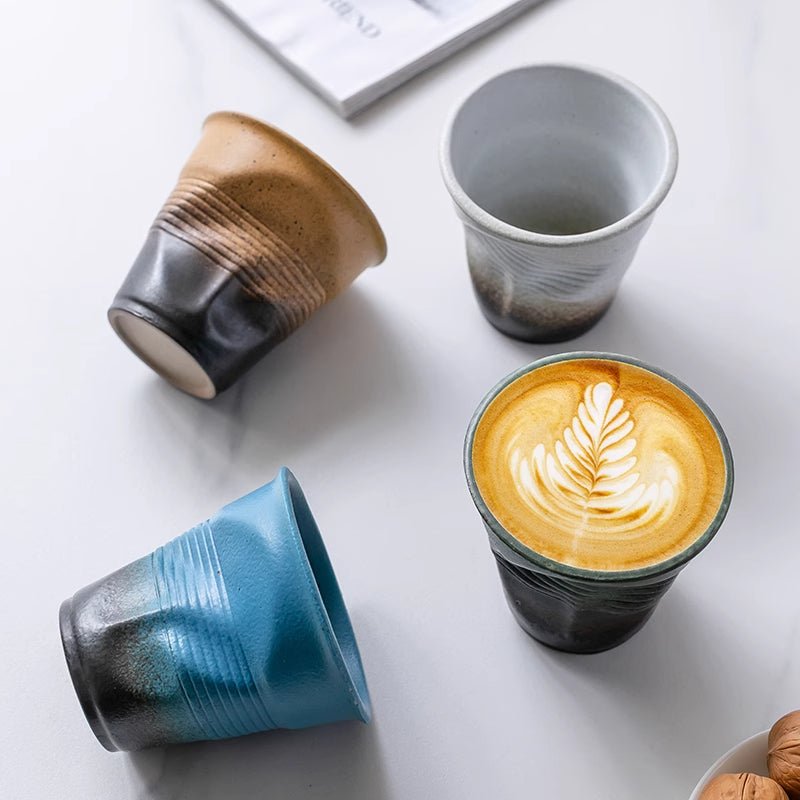
Coffee Cup Mug Ceramic: What Buyers Should Check Before They Buy
A practical guide to choosing a coffee cup mug ceramic for daily use, gifting, or desk coffee. We cover feel, size, glaze, care, and the trade-offs that matter before you buy.
Read more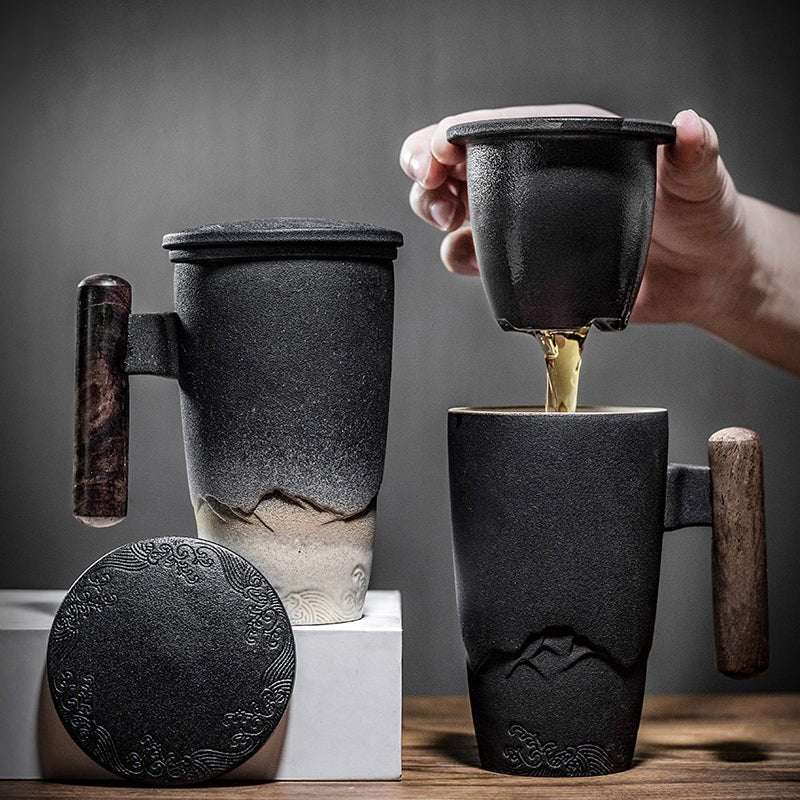
16 oz Coffee Mugs: How to Choose the Right Mug for Daily Use
A practical guide to choosing 16 oz coffee mugs that feel good in the hand, fit your coffee routine, and hold up in real kitchens and offices. We cover size, material, care, and which mug styles ma...
Read more
Los kommentaar
This site is protected by hCaptcha and the hCaptcha Privacy Policy and Terms of Service apply.