
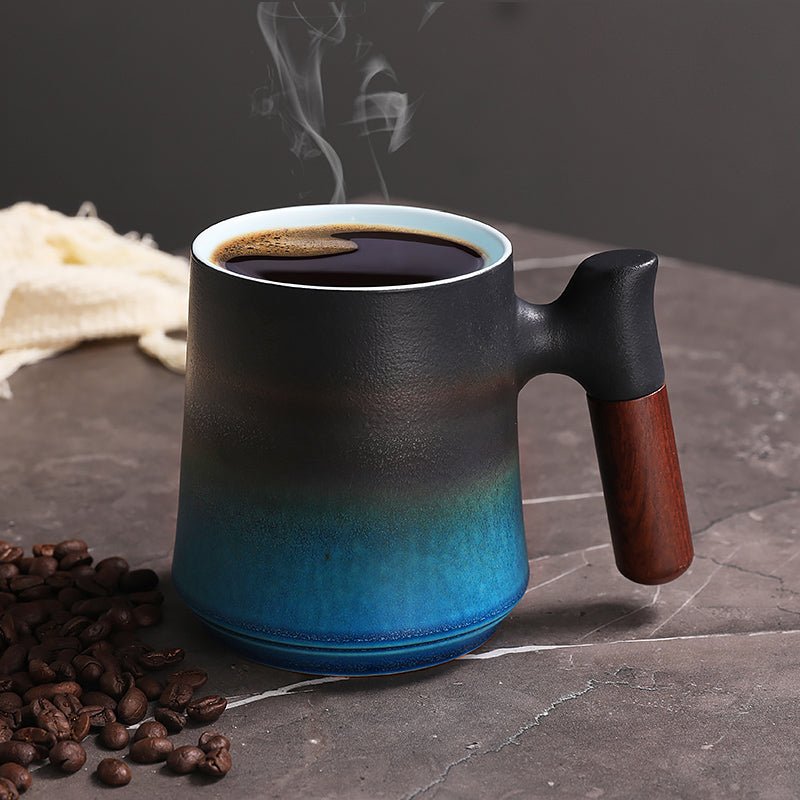
Coffee Mugs Buying Guide: Sizes, Materials, and Best Picks
Reading time: about 9 minutes
A mug that feels great at the sink can still annoy you at the desk. We see that all the time: the handle pinches, the cup is too tall for the brewer, or the mug holds more than people actually want to drink before it goes cold.
That is why we treat coffee mugs as a fit decision, not just a style choice. The right one depends on how you drink, where you store it, and whether you want a daily driver, a giftable piece, or something a little more visual on the shelf.
If you want to browse our current selection first, start with our full collection. If you already know you like a mountain-inspired look, take a direct look at the Mountain Coffee Tea Mug, the Great Mountain Coffee Tea Mug, or the Emerald Coffee Tea Mug.
What should you check first before buying coffee mugs?
We always start with three things: capacity, handle comfort, and how the mug behaves in daily use. That sounds basic, but it saves a lot of regret later.
- Capacity: A true 12 oz mug fits a standard cup of coffee with room for cream, while 14 oz and 16 oz mugs give you more margin for larger pours.
- Handle shape: A handle that looks nice in photos may not leave enough room for two fingers, especially if you have larger hands.
- Rim and wall feel: A thinner rim can feel nicer to drink from, but thicker walls usually feel sturdier on a busy counter or office desk.
- Storage and compatibility: Check whether the mug fits under your brewer, in your cabinet, and in the dishwasher without crowding other items.
If you are comparing smaller sizes, our guides on 12 oz coffee mugs and 14 ounce coffee mugs are useful because they show how a mug’s advertised size translates to real use. A lot of shoppers discover that the number on the page is not the same thing as the amount they actually want to drink.
Which mug size fits your routine best?
Size is where most buying mistakes happen. A mug that is too small feels constantly refilled. A mug that is too large can cool too slowly, take up more cabinet space, and feel awkward for someone who prefers a smaller coffee serving.
| Size | Best for | Trade-off |
|---|---|---|
| 8 oz | Espresso-based drinks, smaller servings, guests who prefer lighter pours | Too small for many drip coffee drinkers |
| 12 oz | Standard home coffee, tea, compact storage | Less room for cream or milk |
| 14 oz | Longer mornings, a little extra pour space | Can feel bulky if you like a tight, traditional cup |
| 16 oz | Travel-adjacent desk use, larger coffee servings, generous pours | May be too much mug for people who finish slowly |
| 20 oz | Big drinkers, cocoa, iced coffee, long office sessions | Heavier when full and not ideal for compact cabinets |
We have seen 16 oz mugs become the sweet spot for people who want flexibility without going oversized. If that is your range, our 16 ounce coffee mugs guide and 16 oz coffee mugs guide go deeper into fit and material choices. For buyers who like a larger cup, the 20 oz coffee mugs guide is worth reading before you order.
In our store, the people happiest with coffee mugs usually know how they drink. They are not guessing. They know if they want a quick pour-and-go cup for the counter, or a mug they can keep on a desk through a meeting without constant refills.
What materials actually matter in everyday use?
Most shoppers are choosing between ceramic, stoneware, and sometimes glass or stainless steel. For our category, ceramic and stoneware are the common daily-use materials because they balance feel, print visibility, and comfort in the hand.
Ceramic: Usually smooth, easy to rinse, and comfortable for both coffee and tea. It can chip if knocked against sinks, faucets, or other mugs, so it rewards normal care.
Stoneware: Often feels a bit heavier and more substantial. That extra weight can make it feel durable, but it is not a better choice for everyone if you prefer a lighter cup.
Glass: Good for showing layered drinks, but it is not our first pick for a mug that lives in a crowded kitchen cabinet or gets handled by kids.
Metal: Strong and practical for certain use cases, but not the best match if you want the classic coffee mug feel on a kitchen table.
We usually tell shoppers to think about the environment the mug will actually live in. A home office mug needs a stable base and a comfortable handle. A gift mug needs visual appeal and easy care. A daily kitchen mug needs to survive repeat dishwasher cycles and the occasional crowded shelf.
How do the mountain and emerald styles compare in real life?
Style matters, but not just for looks. A mug’s shape, glaze, and color can change how easy it is to use and how well it fits into a kitchen setup.
The Mountain Coffee Tea Mug is a straightforward pick if you want a nature-themed look without overcomplicating the rest of the kitchen. The Great Mountain Coffee Tea Mug gives that same theme a bolder presence, which can work well if the mug is meant to be noticed on a shelf or given as a gift. The Emerald Coffee Tea Mug is the more color-forward option for shoppers who want a richer tone that stands apart from standard white drinkware.
From a practical standpoint, we look at three things:
- Visual contrast: Darker glazes and stronger graphics stand out better in open shelving and gift photos.
- Everyday versatility: Neutral or nature-inspired designs usually work in more kitchens than novelty-heavy styles.
- Gift appeal: A mug that feels distinctive in the box often gets used, not tucked away in a cabinet.
Trade-off: highly decorative mugs are not always the best choice if you want a completely plain cup for office settings or minimal kitchens. If your workspace is very formal, a simpler mug may fit better than something more expressive.
What care and durability issues should buyers watch for?
We sell mugs as everyday objects, so care matters. The most common issues we see are not dramatic breaks; they are small annoyances that build up over time.
- Chipping at the rim: Often happens when mugs are stacked too tightly or tapped against a sink edge.
- Handle stress: A handle that feels fine at first can be uncomfortable if the opening is too narrow for your fingers.
- Surface wear: Decorative finishes can show spoon marks or clouding if washed carelessly with harsh abrasives.
- Microwave and dishwasher habits: Repeated heat and detergent cycles can expose weak glaze or lower-quality print finishes.
For most shoppers, a mug that is easy to wash and comfortable to hold is a better buy than one with a fragile finish that only looks good on day one. If a mug will go in the dishwasher, use the top rack when possible and avoid wedging it against heavier items. If it is hand-wash only, that is a real trade-off, not a minor footnote.
We tell customers to buy the mug they will actually use at 7 a.m., not the mug they would keep untouched on a shelf.
Which coffee mugs work best for gifts, desks, and home kitchens?
Different settings call for different priorities. That is where a lot of shopping decisions get easier.
For gifts
Choose a mug with enough personality to feel intentional, but not so much that it is hard to match with someone’s kitchen. The mountain styles and the Emerald Coffee Tea Mug both work well for this because they feel considered without being overly niche.
For office desks
Look for a mug with a stable base and a handle that is comfortable during long stretches of sipping. A 12 oz or 14 oz mug is often easier to manage at a desk than a 20 oz cup that gets heavy when full.
For home kitchens
Durability and stackability matter more here. If cabinet space is tight, a slimmer mug shape can be easier to live with every day. If you brew large cups, move up in size rather than topping off a smaller mug repeatedly.
We also recommend checking the broader selection in our collection if you are comparing style families. It is easier to spot the right fit when you can see the range side by side instead of looking at one mug in isolation.
How do you choose without overthinking it?
Our quickest method is to narrow the decision with a short checklist. If a mug passes these basics, it is usually a safe buy.
- Pick the size first. Decide whether you really want 8 oz, 12 oz, 14 oz, 16 oz, or 20 oz based on how much you pour on an average morning.
- Check the handle. Make sure it looks deep enough to grip comfortably, especially if you have larger hands or tend to drink one-handed.
- Match the setting. Choose a style that suits home, office, or gift use instead of trying to make one mug do everything.
- Confirm care expectations. If you want low-effort cleanup, prioritize a mug that fits your washing routine.
- Choose the finish last. Color and artwork matter, but they should not override comfort or size.
If you are still debating size, our category-specific guides can help: the 8 ounce coffee mugs guide is useful for smaller servings, while the larger-size guides are better if you want a fuller cup without constant refills.
Frequently asked questions
What size coffee mug is best for everyday use?
For most people, 12 oz to 16 oz is the most practical range. It gives enough room for coffee plus cream or milk without becoming too heavy or oversized. If you drink slowly or want larger pours, 16 oz is usually the safer pick.
Are ceramic coffee mugs better than stoneware mugs?
Neither is automatically better. Ceramic is often a little lighter and easier for everyday handling, while stoneware tends to feel heavier and more substantial. If you want a mug for frequent use in a busy kitchen, choose the one that feels better in your hand and fits your care routine.
Can coffee mugs go in the dishwasher and microwave?
Many can, but not all. Always check the product care details before assuming both are safe, especially for decorated finishes or specialty glazes. If a mug is going to live in the dishwasher, look for one that is made for repeated washing rather than occasional use.
What coffee mugs make the best gifts?
Mugs with clear style, practical size, and easy care usually perform best as gifts. Nature-inspired designs and color-forward mugs tend to feel more personal than plain white basics, but the best choice depends on the person’s kitchen and drinking habits.
What should I avoid if I want a mug for daily use?
Avoid mugs that look good but feel awkward to hold, especially if the handle is too small or the cup is too tall for your brewer. Also avoid fragile finishes if you know the mug will be washed often or stored in a tight cabinet. A daily-use mug should be easy to grab, easy to clean, and comfortable at full capacity.
If you want the fastest path from browsing to buying, start with our full coffee mugs collection, compare the size guides if you are undecided, and then pick the mug that matches your actual routine instead of your ideal one.
Read more
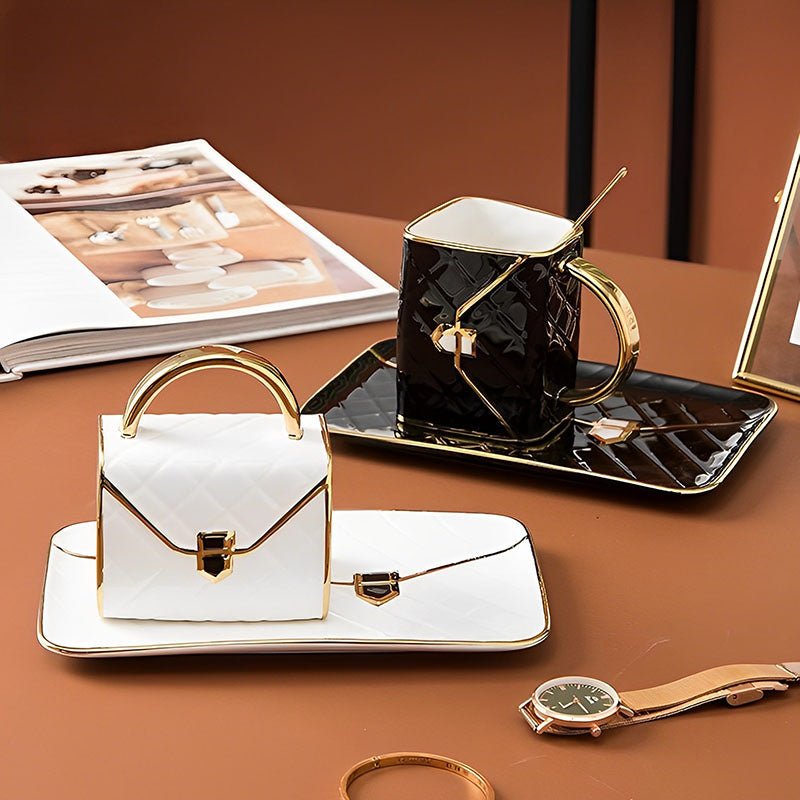
Father’s Day Last-Minute Coffee Mug Gifts Shipped Fast for Dad
Need a Father’s Day mug gift with little time left? Here are the mug styles that make sense for fast shipping, easy gifting, and dads who actually use their cup every day.
Read more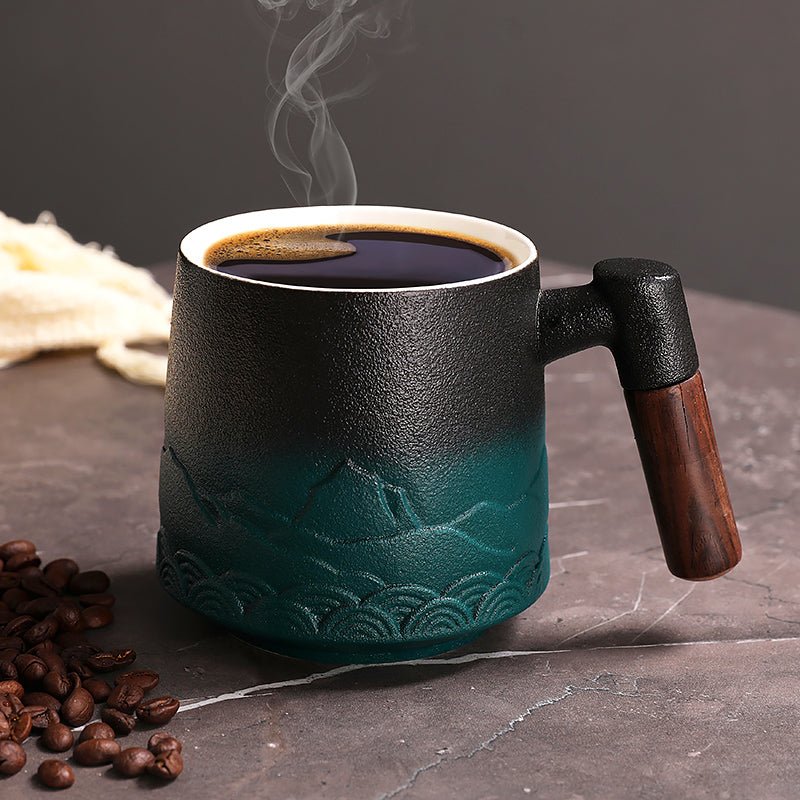
Coffee Mug Buying Guide: How to Choose Size, Shape, and Everyday Use
A practical guide to choosing a coffee mug that fits your drink habits, your cabinet space, and your dishwasher. We compare shape, size, and daily use so you can buy the right mug the first time.
Read more
Los kommentaar
This site is protected by hCaptcha and the hCaptcha Privacy Policy and Terms of Service apply.