
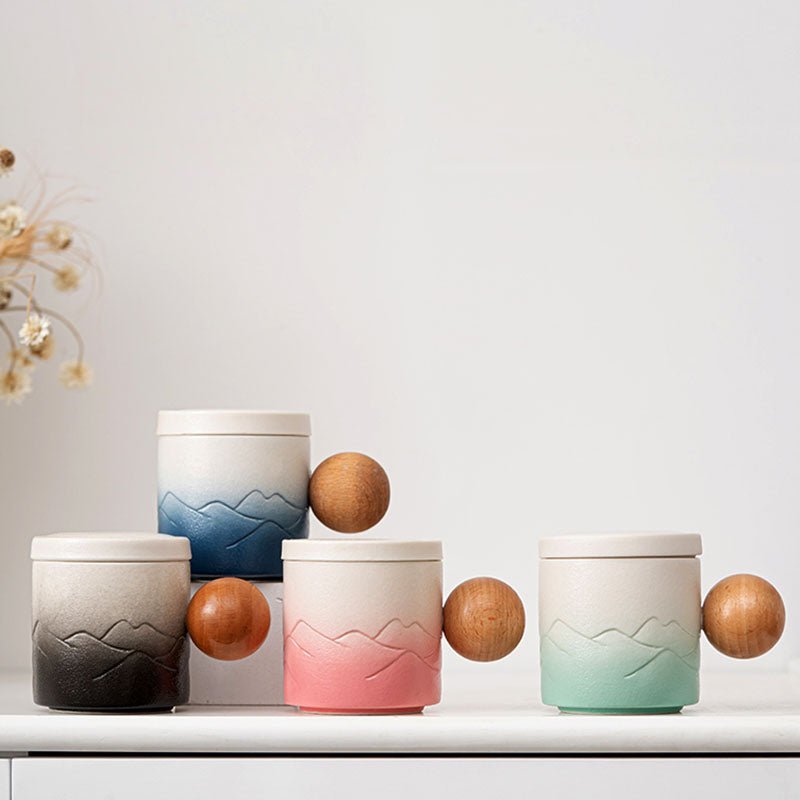
Coffee Mug Wall Holder Guide for Small Kitchens and Coffee Corners
Reading time: about 11 minutes
The problem usually shows up right around breakfast: one mug drying by the sink, one on the coffee machine tray, two more taking up the corner of the counter, and no clean place left for sugar, spoons, or a small grinder. A coffee mug wall holder can fix that, but only if it fits the mugs you actually use and the wall you actually have.
We handle mugs and coffee gift items in our store all the time, so we tend to look past the styled product photo. We pay attention to hook shape, handle clearance, how easy the holder is to wipe down after steam and splashes, and whether the setup still feels convenient after a week of daily use. Some wall holders look great and become annoying fast. Others are plain, but they earn their spot because they make the morning routine easier.
If you are comparing mugs at the same time, it helps to browse our full collection first so you can judge handle shapes and overall mug size before choosing a rack or rail.
What should a coffee mug wall holder do well every day?
A good holder is not just decorative storage. It needs to pass a simple daily-use test:
- Hold mugs securely without the handle slipping forward on the hook
- Keep enough space between cups so rims and handles do not tap together
- Stay easy to reach from your coffee station without stretching or turning sideways around appliances
- Stand up to kitchen conditions like steam, fingerprints, and the occasional bump from a mug or kettle
That sounds basic, but these are the details that separate a useful wall holder from one that ends up being mostly decor. In our experience, the first complaint shoppers have is not usually that the holder looks bad. It is that their favorite mug is awkward to remove with one hand, or that larger handles crowd each other.
Think about your actual routine. If you make one coffee before work and another mid-afternoon, a holder near the machine makes sense. If your mugs are mostly for guests or seasonal display, a more decorative setup may work better on a side wall or breakfast nook.
Which wall holder style fits your space best?
Not every kitchen needs the same setup. The right style depends on how many mugs you use, how often you rotate them, and how much wall room you have between cabinets, backsplash, and shelves.
| Style | Best for | Trade-offs |
|---|---|---|
| Single-row hook rail | Narrow walls, coffee corners, apartment kitchens | Limited capacity and less of a display look |
| Multi-hook wall rack | Daily-use mugs for a household | Needs more horizontal clearance |
| Shelf with hooks underneath | People who also store beans, tea tins, or syrups | Bulkier and harder to clean around |
| Decorative display holder | Gift mugs, seasonal mugs, styled nooks | Sometimes less practical for quick grab-and-go use |
A compact rail is often the safest choice for small kitchens because it keeps the profile slim. A shelf-and-hook setup can look polished, but it is not always the easiest option under low cabinets. We have seen this in real customer layouts: the shelf itself is fine, but once mugs hang below it, the bottom edge can sit too close to the countertop appliances.
If you like to switch mugs with the season, a display-oriented holder can be fun. For example, a festive piece like the Christmas Coffee Tea Mug works especially well on a visible wall during the holidays, where the mug becomes part of the room instead of hidden cabinet storage.
How do mug size and handle shape affect the fit?
This is where many buyers get tripped up. A holder may technically fit six mugs, but that usually assumes fairly standard cups with moderate handles. Once you move into oversized ceramic mugs, thick walls, wide handles, or handmade-looking silhouettes, the real capacity changes.
Here are the fit points we tell shoppers to check first:
- Hook depth: The hook should catch the handle securely without forcing the mug to lean forward too much.
- Handle opening: Some mugs have narrow or more closed handles that do not sit naturally on thicker hooks.
- Body diameter: Wide mugs need more side-to-side spacing, even if the handles technically fit.
- Vertical drop: Tall mugs can hit the counter, backsplash shelf, or appliance below if the holder is mounted too low.
We see this most often with statement mugs and mugs that use non-standard handle shapes. A smooth, balanced everyday mug tends to hang more cleanly than one with a dramatic oversized handle. That is one reason a simpler profile like the Green Waves Coffee Tea Mug usually works well in wall-mounted setups. It gives you a practical everyday look without making the wall feel crowded.
There is also a comfort issue. If the handle sits too tightly on the hook, you end up lifting the mug at an angle every single morning. Small annoyance, repeated often. That is exactly the kind of detail we try to flag before someone buys a holder based on looks alone.
What materials hold up best in a kitchen?
Kitchen storage gets exposed to more wear than people expect. Steam from kettles, oil in the air near the stove, backsplash splashes, and repeated mug contact all show up over time. Material choice matters.
In practical terms, these are the common options:
- Powder-coated metal: Usually the easiest to keep clean and one of the better choices for daily use. It has a slim profile and generally resists routine wiping well.
- Painted metal: Can look similar at first, but lower-quality finishes may chip around screw holes or on the hook tips after repeated contact.
- Solid wood or wood-accent designs: Warmer visually and a good match for cozy coffee corners, but better in drier spots away from constant splash.
- Mixed-material holders: Often attractive, though they can introduce extra joints or brackets that may loosen over time.
The most common defect modes are not dramatic failures. They are little things that affect daily satisfaction: a hook that arrives slightly out of line, a finish that starts showing rub marks where handles make contact, or a mount that feels stable on one side and slightly loose on the other because the wall anchors were not a good match for the surface.
Care is usually simple:
- Wipe metal with a soft damp cloth, then dry it
- Avoid abrasive scrubbers that can dull coated finishes
- Do not let water sit on wood accents
- Check mounting screws occasionally if you hang heavier mugs
If you love natural textures, a mug with wood detail can pair beautifully with the right holder, but it also changes care expectations. The Mountain Sea II Coffee Tea Mug with Wooden Handle is a good example of a style that looks great in a coffee corner, yet it is better suited to gentler handling and a drier display area than a mug you plan to leave in a splash-prone zone.
Where should you mount a coffee mug wall holder?
The best location is usually close to the coffee routine, not just the prettiest empty patch of wall. We have seen buyers mount holders in a photo-friendly spot and then keep using mugs from the cabinet because the wall placement added extra steps.
Good mounting spots usually have three things: reach, clearance, and a stable surface.
Best places to mount one
- Beside an espresso machine or drip coffee maker
- Above a dry counter section where you prep mugs and spoons
- Near a breakfast station with sugar, pods, tea bags, or syrups
- In a home office coffee corner where you only need two to four mugs handy
Places that often cause problems
- Directly over the sink where water hits the wall constantly
- Too close to the stove where grease can build up
- Under a low cabinet with barely any vertical space
- On weak drywall without proper anchors
- Too high for comfortable daily use
If your wall is tile, the install can absolutely work, but tile needs the right bit and patience. Rushing that step is one of the easiest ways to crack a tile or end up with a mount that sits slightly crooked. Drywall is usually simpler, but only if the anchor choice matches the load.
A wall holder is also not the best answer for everyone. If you rent, avoid drilling, or change your layout often, a countertop tree or cabinet storage may be more practical. We say that openly because a fixed wall piece is only a good buy if it matches your space long term.
How many mugs should a wall holder actually carry?
Capacity on paper and capacity in real use are not always the same. Six narrow mugs may fit well on a rail that feels cramped with four chunky ceramic cups.
Our simplest planning method is this:
- Count the mugs you reach for in a normal week, not the total number you own.
- Add one or two extra spaces if guests visit often or you rotate seasonal mugs.
- Reduce expected capacity if your mugs have broad handles or wide bodies.
- Leave enough empty air so you can remove one mug without knocking the next one.
For many buyers, that means a smaller holder is actually the better choice. It keeps the wall cleaner and avoids the crowded look that happens when every hook is filled with a different size and color. If you are building a coordinated display, browsing our collection can help you compare mugs that hang well together instead of competing visually.
If you collect novelty mugs, keep one thing in mind: a wall holder can become cluttered faster than a cabinet. It is great for your best daily mugs. It is less ideal for every souvenir cup you have picked up over the years.
What is a coffee mug wall holder not good for?
This is the part many generic buying guides skip. A wall-mounted holder is useful, but it has clear limits.
It is usually not the best option if:
- You use very heavy oversized mugs with thick ceramic walls
- You want hidden storage instead of visible storage
- You need something movable for seasonal rearranging
- Your wall area gets constant moisture or grease
- You prefer all mug storage at lower arm height for comfort or accessibility
That last point matters more than people think. If lifting a mug up and off a hook feels awkward, you will stop using the holder. A cabinet shelf or countertop stand can be a better fit. We would rather help someone choose the right storage style than oversell a wall solution that becomes inconvenient after a few days.
Our store rule is simple: if the holder saves counter space but slows down your coffee routine, it is not the right holder for you.
What should you check before buying?
Use this short checklist before you commit:
- Your wall surface: drywall, tile, wood, and brick all need different mounting approaches
- Your mug handles: look at opening size and thickness, not just mug height
- Clearance above and below: check cabinets, appliances, backsplash ledges, and counter height
- Finish durability: choose something easy to wipe if it will live near steam or splashes
- Daily convenience: place it where you naturally reach during your coffee routine
- Visual load: decide if you want a clean everyday setup or a decorative mug display
That list sounds practical because it is. Most buying mistakes happen when one of those points gets skipped. A beautiful holder with poor spacing turns into clutter. A sturdy holder mounted too high becomes annoying. A wood-accent rack over a busy sink starts looking worn much sooner than expected.
Frequently asked questions
Can a coffee mug wall holder hold heavy ceramic mugs?
Some can, but the holder, hardware, and wall type all have to work together. Light to medium ceramic mugs are usually the easiest fit for daily use, while very thick oversized mugs need sturdier support and more spacing. If your mugs feel heavy in the hand, be conservative about capacity.
Will mugs chip on a wall holder?
They should not if the hooks are smooth and the mugs have enough room between them. Chipping usually happens when cups knock together, the hook is too shallow, or the holder is mounted in a cramped spot. Leave space for easy one-handed removal.
Is a wall-mounted holder better than a countertop mug tree?
It depends on what kind of space you are trying to save. A wall holder clears the counter and can make a coffee station look more intentional, but it is fixed in place and needs installation. A mug tree is easier to move and better for renters or changing layouts.
What mugs look best on a coffee mug wall holder?
Mugs with balanced handles, moderate body width, and a shape that hangs naturally tend to look and function best. Coordinated designs also make the wall look cleaner than a random mix of oversized novelty mugs. If you want to compare styles, start with our collection and picture how the handles will sit on a hook.
Can I mount a coffee mug wall holder on tile?
Yes, but tile takes more care than drywall. You need the proper drill bit, steady placement, and hardware suited to the wall behind the tile. If you are not comfortable with that process, choose an easier wall or consider a non-mounted storage option.
If you are ready to narrow it down, start by picking the mugs you use most often, then compare them against the wall space near your coffee setup. After that, browse our full collection and choose a mug style that will hang cleanly, stay easy to grab, and still look good after the first week of real use.
More from our blog
Read more
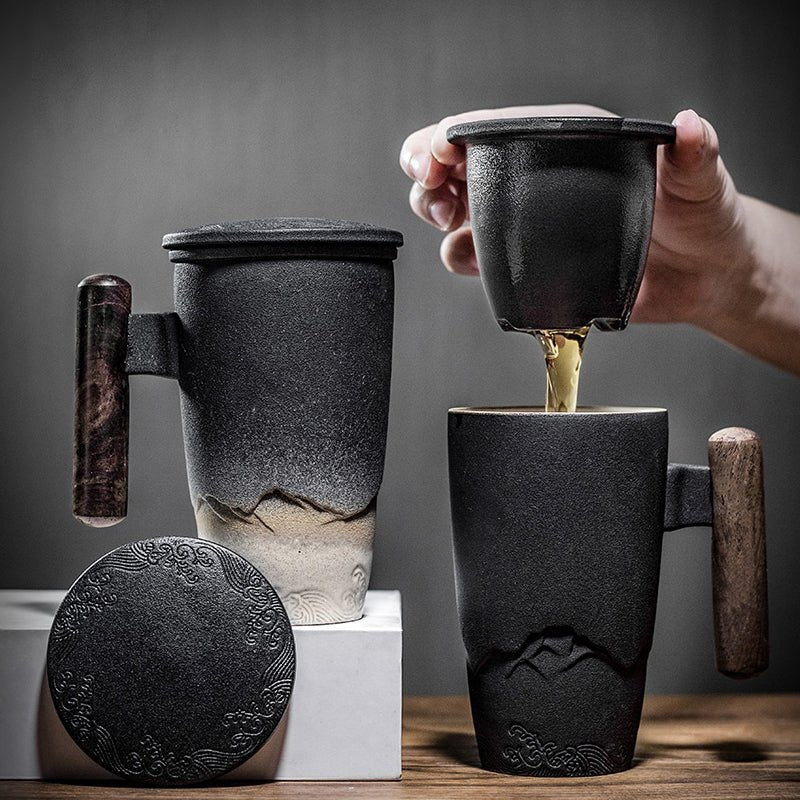
Metallica Coffee Mug Buying Guide: Size, Print, and Everyday Use
A Metallica coffee mug should do more than carry a bold graphic. We break down the size, finish, and care details that matter if you want something that works on a desk, in a kitchen, or as a gift.
Read more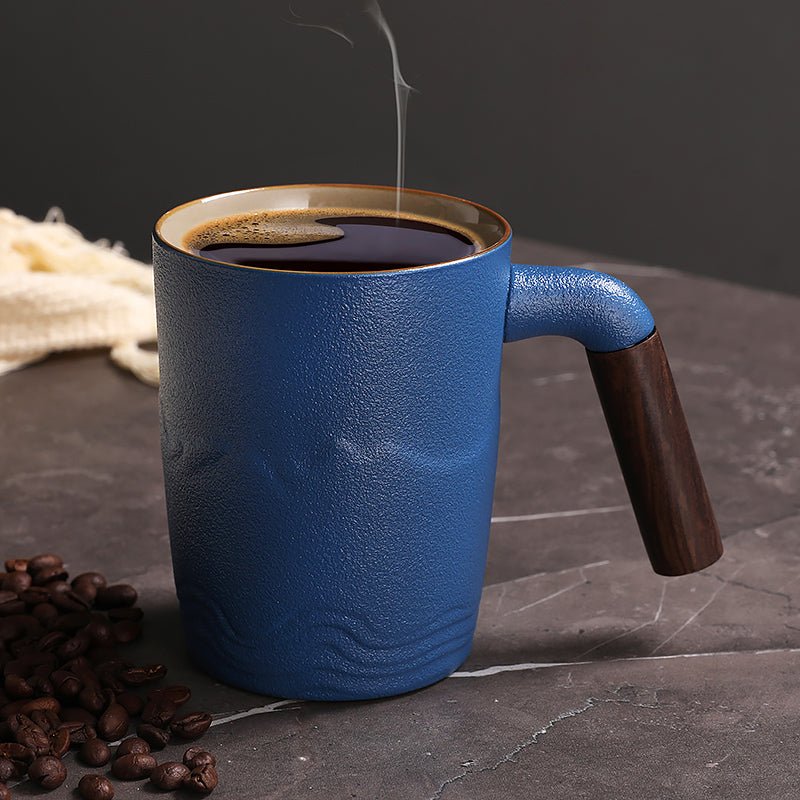
Mainstays Coffee Mugs: What to Check Before You Buy
Mainstays coffee mugs can look fine on the shelf and still feel wrong in daily use. We break down the handle, rim, size, and cleanup details that matter, plus a few CoffeifyMug alternatives worth c...
Read more
Los kommentaar
This site is protected by hCaptcha and the hCaptcha Privacy Policy and Terms of Service apply.