
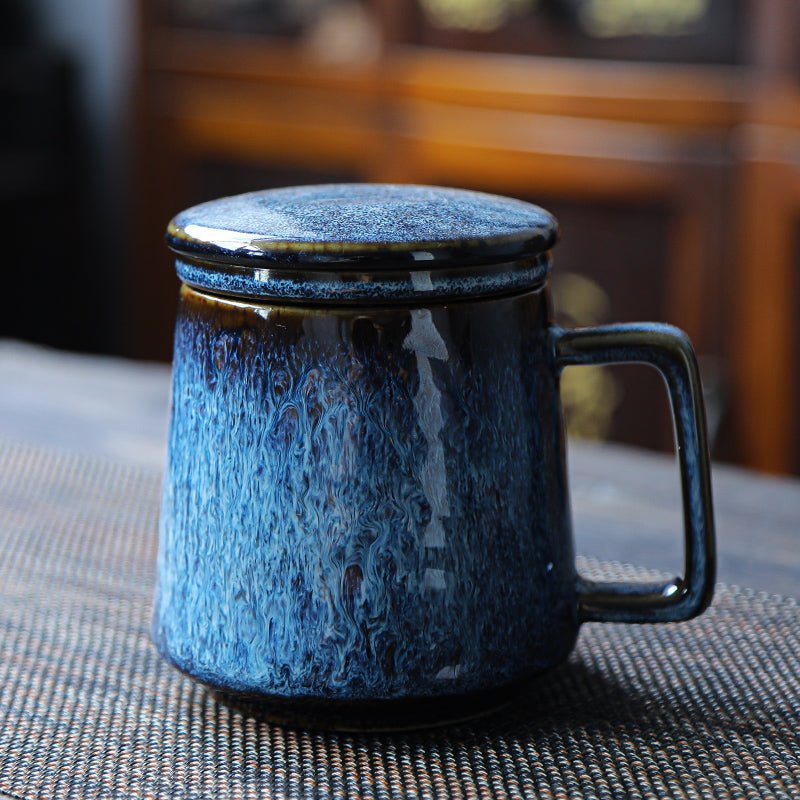
Coffee Mug Hooks Under Cabinet: Fit, Materials, and Buyer's Guide
Reading time: about 9 minutes
A crowded countertop usually tells the story first: one mug next to the coffee maker, two more drying by the sink, and a cabinet that could solve the mess if the hardware fits the space. Coffee mug hooks under cabinet are a simple fix, but only if the cabinet material, hook depth, and mug handle shape all work together.
In our store, we see the same mistake repeated. People pick the hook style first and check the mugs later. That is backwards. The right setup starts with the cabinet, then the mug weight, then the handle clearance. If you want a practical place to start comparing styles, browse our full mug collection and look at how different mug shapes hang before you commit.
For example, a tall mug like the White Golden Waves Tall Coffee Tea Mug hangs differently than a shorter everyday mug. The Mountain Tall Coffee Tea Mug gives you a good sense of how a taller profile changes the drop under the cabinet, while the Christmas Coffee Tea Mug is the kind of seasonal piece that works well when you want a display that still stays functional.
What should you check before buying coffee mug hooks under cabinet?
The first check is cabinet construction. Solid wood gives you more mounting confidence than thin particleboard, especially if you plan to hang several ceramic mugs every day. The second check is clearance. You need enough vertical space so the mug does not bump the counter, the backsplash, or the coffee machine below it.
We also recommend checking the handle opening on the mug itself. A narrow handle can slide onto many hooks, but a deep, chunky handle may need a wider hook or a rail-style hanger. If the handle catches at an angle, the mug may hang crooked or lean into the cabinet face.
Common things we see people miss:
- Hook depth that is too shallow for thick ceramic handles
- Cabinet bottoms that are thin veneer instead of solid wood
- Mugs that are too tall for the gap between cabinet and countertop
- Installing hooks too close together, which causes mugs to knock each other
Which cabinet materials actually hold up best?
Screwed-in hooks are usually the safer choice for daily use. Adhesive strips can work for lighter items, but under-cabinet mug storage takes more stress than most buyers expect. A mug gets lifted, twisted, and set back down several times a day. That motion adds wear fast.
If your cabinet is solid wood or a sturdy wood composite, you have more options. If the underside is thin particleboard or shows signs of swelling from past moisture, we would be cautious. Repeated steam from a kettle, sink splashes, and damp mugs can all weaken weak cabinet surfaces over time.
| Mounting type | Best for | Limits |
|---|---|---|
| Screw-in hooks | Daily use, heavier ceramic mugs, long-term setup | Needs careful placement and a solid cabinet base |
| Adhesive hooks | Light mugs, renters, temporary setups | Not ideal for heavier mugs or repeated pull motion |
| Rack with multiple hooks | Small collections and grouped display | Needs more width and better spacing planning |
If you want a broader fit reference before buying hardware, our article Under Cabinet Coffee Mug Rack Buying Guide: Fit and Materials goes deeper into the material side of the decision.
How much space do you need for mugs to hang cleanly?
Spacing matters more than most listings admit. A mug may technically fit on a hook, but if the handle sits too close to the cabinet edge or the mug body rests against another cup, you will not enjoy using it for long. The cleanest setups leave enough room for the mug to swing slightly without bumping nearby items.
A useful way to think about it is in three measurements:
- Cabinet-to-counter clearance: enough room for the mug body to hang freely.
- Hook projection: long enough for the handle to sit securely without sliding off.
- Hook-to-hook spacing: wide enough that mugs do not touch when they are removed or replaced.
Tall mugs need extra attention here. The White Golden Waves Tall Coffee Tea Mug and Mountain Tall Coffee Tea Mug are useful examples because a taller mug can expose a clearance problem immediately. If the bottom of the mug is too close to the counter, the setup looks neat for a day and becomes annoying by the third use.
We also suggest checking what is sitting under the cabinet. A pour-over station, toaster, or espresso machine can reduce the usable hanging space even if the cabinet itself looks large enough.
What materials and finishes are easiest to live with?
For daily kitchen use, the easiest finishes are the ones that tolerate moisture, fingerprints, and quick wipe-downs. Smooth glazed ceramic mugs are simple to clean, but the hanger itself matters too. A hook with a rough edge or a thin bend can scratch a handle over time. That is especially relevant for glossy or decorated mugs where chips are easier to notice.
We look at three practical points in real kitchens:
- Hook finish: smoother finishes are easier on mug handles.
- Mounting profile: low-profile hardware looks cleaner under cabinets.
- Cleaning access: if a hook is hard to wipe, grease will collect around the cabinet base.
Dishwasher cycles matter here too, even though they are not part of the hook itself. A mug that goes from hot dishwasher steam to a hanging hook multiple times a week needs a stable handle and a secure mount. That is one reason we like durable everyday shapes for under-cabinet storage instead of very delicate novelty cups.
If you are comparing mug styles by size and fit, our related guide 11 oz Coffee Mug: Size, Fit, and What to Check Before You Buy is a useful companion read. It helps if you are deciding whether a standard mug or a taller mug makes more sense for your cabinet space.
What are the common problems with under-cabinet mug hooks?
The biggest issue is not style. It is wear over time. Hooks can loosen, cabinet bottoms can sag if the mounting is poor, and mugs can chip if they are forced onto a hook that is too narrow. These problems usually show up slowly.
Here is what we watch for:
- Loosening: screws that back out if the cabinet material is soft or poorly anchored
- Peeling adhesive: heat, grease, and cleaning spray can reduce hold
- Handle wear: tight or sharp hooks can mark glazed handles
- Collision: mugs that touch each other, the backsplash, or the counter
That is why we do not treat under-cabinet hooks as the best answer for every kitchen. If you have very heavy stoneware, a fragile cabinet underside, or a crowded coffee zone, a wall-mounted rail or a counter-top mug tree may be the better option. Those styles take more visual space, but they can be more forgiving.
If you want a practical checklist for the buying process, our post Coffee Mug Hooks: What to Check Before You Buy gives a tighter look at the decision points we use before recommending a setup.
Which mugs work best on under-cabinet hooks?
Medium-weight ceramic mugs with a clear handle opening are usually the easiest match. Tall mugs can work well if the clearance is right. Lightweight mugs are easier on the mount, but they can feel less substantial in the hand. Very large mugs, travel-style mugs, and oversized novelty shapes are the least predictable.
We would not choose coffee mug hooks under cabinet for:
- Extra-heavy mugs that pull hard on the mounting point
- Oversized mugs with handles that are too thick for standard hooks
- Cabinets with water damage, swelling, or soft undersides
- Very low cabinet-to-counter gaps
That trade-off is why a taller, display-friendly mug can be a good fit when the spacing is right. The Christmas Coffee Tea Mug, for example, can be a nice seasonal mug to rotate onto hooks if you want display and access in the same spot. It is also a reminder that the best under-cabinet setup is usually one with a few mugs you use often, not a packed row of every cup you own.
How do you set one up without regretting the placement later?
We suggest a dry fit first. Hold the mug under the cabinet before drilling or sticking anything in place. That lets you check swing room, handle angle, and how the mug looks from standing height. A setup that looks neat from across the room may still be awkward when you are pouring coffee at 6 a.m.
A simple setup process usually works best:
- Measure the cabinet underside and the counter clearance below it.
- Test one mug at a time, especially your tallest everyday mug.
- Leave room between hooks so mugs do not bump.
- Keep the coffee zone dry and wipe steam residue regularly.
- Recheck the mount after the first week of use.
If your goal is to organize several mugs without making the kitchen feel crowded, start with one section of cabinet rather than the entire run. That makes it easier to adjust spacing and replace a style that does not suit the space.
Frequently asked questions
Will coffee mug hooks under cabinet hold heavy ceramic mugs?
They can, if the cabinet base is solid and the hooks are mounted securely. Heavy stoneware and oversized mugs put more stress on the hardware, so we prefer screw-in mounting for those. If the cabinet underside feels soft or thin, choose a different storage style.
Can I use adhesive hooks under a kitchen cabinet?
Yes, but only for lighter mugs and temporary setups. Heat, cleaning spray, and repeated pulling can weaken adhesive over time. For daily use, especially with ceramic mugs, screw-in hooks are usually the safer option.
How much clearance do I need under the cabinet?
You need enough room for the mug to hang freely without hitting the counter or backsplash. Tall mugs need more room than standard mugs, so test your tallest one first. If the mug clears only when it is empty and still, the setup is probably too tight.
Do under-cabinet hooks scratch mug handles?
They can if the hook has a rough edge, a narrow bend, or a sharp finish. Smooth hardware is easier on glazed ceramic handles. We always recommend checking the hook surface before loading it with your best mugs.
What if my cabinet is particleboard or has water damage?
Be cautious. Particleboard and swollen cabinet bottoms do not hold hardware as reliably as solid wood. In that case, a wall-mounted rack or a countertop mug holder is usually a better long-term choice.
If you are still deciding, compare your cabinet material, mug size, and daily use pattern against the options in our collection, then match that against the fit guidance in Under Counter Coffee Mug Rack Buyer’s Guide for Real Kitchens. The best setup is the one that clears your space, protects the mugs, and still feels easy to use every morning.
Read more
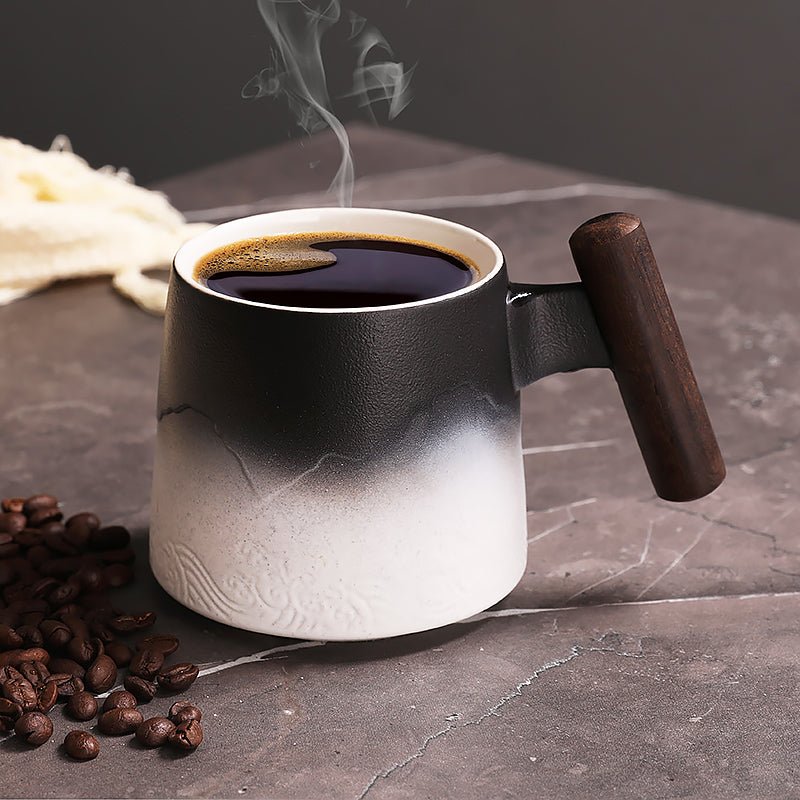
Coffee Mug for Men: How to Choose the Right Size, Style, and Material
A practical buying guide for choosing a coffee mug for men based on size, material, comfort, and everyday use. We compare real trade-offs so you can pick one that works on a desk, in a kitchen, or ...
Read more
Oil Filter Coffee Mug Buying Guide: Fit, Finish, and Daily Use
A practical guide to choosing an oil filter coffee mug for everyday coffee, desk use, and gifting. We cover material, size, care, and the trade-offs that matter before you buy.
Read more
Los kommentaar
This site is protected by hCaptcha and the hCaptcha Privacy Policy and Terms of Service apply.