
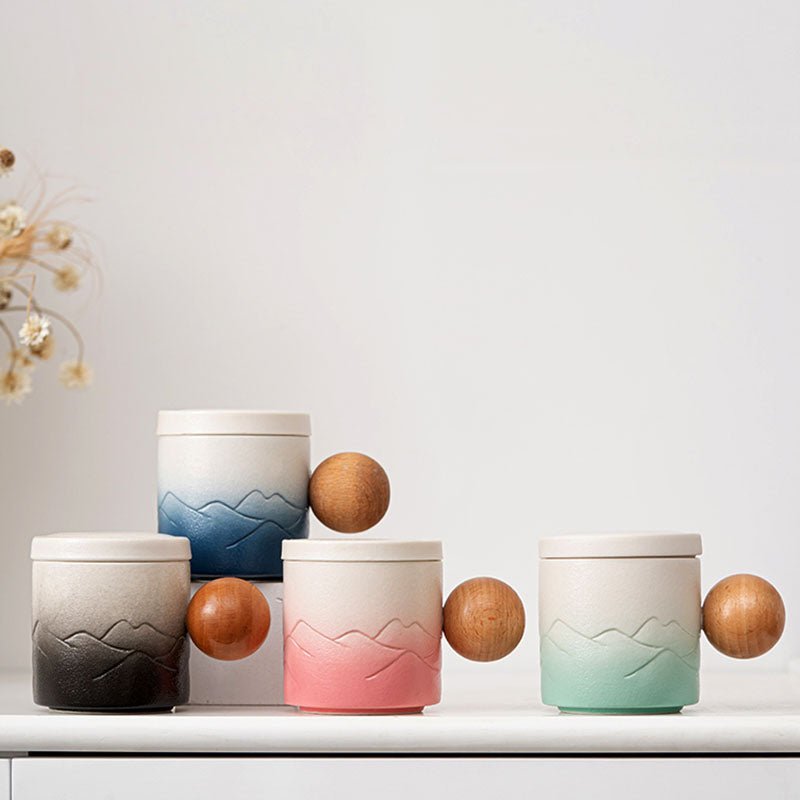
Coffee Mug Designs That Fit Daily Use, Gifting, and Desk Setups
Reading time: about 9 minutes
A mug can look perfect in a photo and still feel wrong on a kitchen counter. The handle pinches. The base wobbles. The lip feels too thin for hot coffee, or the shape crowds the desk beside a laptop and a notebook.
That is why we treat coffee mug designs as a buying decision, not just a style choice. In our store, we see the same pattern again and again: buyers want something that looks good, but they keep it only if the shape works in real life. If you want a quick starting point, compare the Emerald Coffee & Tea Mug with the Round Coffee & Tea Mug, then browse the full collection to see how the designs stack up side by side.
Which coffee mug designs work best for real daily use?
The best everyday mug is usually the one you stop thinking about. It sits flat on the counter, the handle clears your fingers without forcing a grip, and the rim feels comfortable on the mouth after repeated use. That sounds simple, but it is where a lot of mug designs miss the mark.
We usually narrow daily-use mugs into three practical buckets:
- Classic round mugs for a stable feel and easy handling.
- Taller mugs for users who want a slimmer profile and a little more vertical presence on a desk or breakfast tray.
- Visual statement mugs for buyers who want a color or silhouette that stands out on the shelf or in a gift box.
A round mug is often the safest choice for shared kitchens because it is easy to hold, easy to rinse, and less likely to feel awkward with either hand. A taller shape can look sharper and more modern, but it can also feel more top-heavy if the base is narrow. That is not a dealbreaker. It just means the buyer should care about balance as much as appearance.
If you are still sorting out the right size, our size guides can help. We break down the trade-offs in 10 oz Coffee Mug: Size, Fit, and What to Check Before You Buy and 12 oz Coffee Mug Buying Guide for Fit, Comfort, and Daily Use.
What should you check before buying a mug shape?
The shape matters, but the details decide whether the mug feels right in hand. We check the same things every time we handle a new design because those are the points customers notice after the first week of use, not just in the product photo.
| What to check | Why it matters | Common trade-off |
|---|---|---|
| Handle clearance | Room for two or three fingers without brushing the mug wall | A decorative handle can look good but feel cramped |
| Base stability | Helps the mug sit flat on a desk or counter | A taller profile can feel less stable if the base is narrow |
| Rim comfort | A smooth rim makes hot coffee easier to sip repeatedly | Thin rims can feel sharp or fragile if the finish is uneven |
| Glaze coverage | Consistent color and a cleaner look after washing | Thicker glaze can sometimes pool near the foot or handle join |
| Capacity | Determines whether the mug suits straight coffee, tea, or milk drinks | More volume can mean a larger footprint on the shelf |
In practical terms, the details you cannot see in a styled photo are often the ones that matter most. A mug that looks elegant but has a narrow base may be fine on a steady kitchen counter and less ideal on a crowded office desk. A mug with a beautiful glaze can still disappoint if the rim feels rough or the handle leaves too little clearance for larger hands.
We also watch for common defect modes that shoppers rarely ask about until they have the mug in hand: a slight wobble on a flat surface, a rough patch where the glaze ends, or a handle that meets the body at an awkward angle. None of those issues is dramatic on its own. Together, they decide whether the mug becomes a daily favorite or gets pushed to the back of the cabinet.
Which mug shape fits coffee, tea, and desk use?
Different drinks reward different shapes. A straight black coffee does not need the same mug as a latte, and tea drinkers often have a different tolerance for size and heat retention than espresso fans. That is why shape matters as much as ounces.
The Landscape Tall Coffee & Tea Mug makes sense for buyers who like a more vertical profile. It can look cleaner on a desk and feel more deliberate in a gift box. The trade-off is simple: taller mugs may be a little less forgiving if you tend to move quickly around the kitchen or store mugs in a shallow cabinet.
The Round Coffee & Tea Mug is the more familiar silhouette. It is easy to grip, easy to rinse, and usually easier to stack or line up with other kitchenware. If you want a mug that feels straightforward, this is the shape most buyers understand immediately.
For a quick comparison, here is the practical version:
- Round mugs suit everyday coffee drinkers who want balance and familiarity.
- Tall mugs suit buyers who want a slimmer look and a more modern shelf presence.
- Colored statement mugs suit gift buyers or shoppers trying to match a kitchen palette.
That said, the most attractive shape is not always the right one. A tall mug is not ideal if you need the easiest possible storage. A wide mug is not the best pick if cabinet space is tight. And a novelty silhouette can be a pain to wash if the inside curve makes it hard to reach with a sponge.
What finishes and colors hold up best on a counter?
Finish changes the whole feel of a mug. Glossy surfaces read cleaner and brighter. Matte or muted finishes can look softer and more designed. Darker colors often hide a little staining better between washes, while lighter surfaces show every coffee ring and every water spot more quickly.
That does not make one finish universally better. It depends on where the mug lives. A mug that spends most of its time on a home shelf can prioritize appearance. A mug that lives next to a sink, under a drip tray, or on an office desk usually benefits from a finish that looks good after repeated handling.
We see a few patterns often:
- Glossy glaze is easier to wipe clean, but fingerprints and water spots can show up faster.
- Matte or soft-touch styling can feel more refined, but it may need gentler care if the surface is more decorative.
- Deep color mugs can hide tea marks better than pale finishes, especially in everyday use.
- Highly textured surfaces can look distinctive, but they are not the easiest option for quick washing after a busy morning.
If a buyer wants a mug for frequent dishwasher cycles, we advise reading the product page carefully and choosing simpler surfaces over heavily decorative ones. If care instructions are not clear, hand washing is the safer assumption for preserving a printed or detailed finish. That is a trade-off worth making if the design is part of the reason you want the mug in the first place.
For buyers who care about style direction as much as function, our post Coffee Mug Designs: What Buyers Should Check Before Choosing goes deeper into the same decision points we use internally.
What size makes the most sense for your routine?
Capacity changes more than volume. It changes the way the mug feels in your hand, how much room it takes up in a cabinet, and whether the mug suits a quick morning coffee or a slower drink that sits on the desk for half an hour.
As a rule of thumb, smaller mugs tend to feel neater and lighter. Larger mugs are better if you add milk, froth, tea bags, or extra room for stirring. But bigger is not always better. A mug that is too large for your routine can cool off faster if you do not finish it quickly, and it may feel bulky in a compact kitchen.
Use this simple check:
- 10 oz: better for straightforward coffee servings and smaller hands.
- 11 oz: a middle ground for buyers who want a little extra room without a big jump in size.
- 12 oz: better for tea, milk-based drinks, or anyone who wants a more generous pour.
If you are comparing sizes across different mug shapes, the footprint matters as much as the ounce count. A 12 oz mug can still feel comfortable if the body is balanced and the handle is placed well. A 10 oz mug can still feel awkward if the handle is tight or the base is too small. That is why we treat size as part of the design, not a separate spec.
What do we look for before we list a mug in our store?
Our team looks at mugs the way a buyer will actually use them: on a kitchen counter, beside a keyboard, inside a gift box, and after a few dishwasher cycles. A mug that survives a styled photo but feels awkward in hand does not belong on our shelf.
Before we include a mug design, we ask a few direct questions:
- Does the handle feel comfortable for an average daily grip?
- Does the mug sit flat without rocking?
- Does the rim feel smooth enough for repeated sipping?
- Does the finish look intentional, not just decorative?
- Would we feel fine giving it as a gift without apologizing for the shape?
That is the standard behind our assortment, and it is the reason we care about practical guides like this one. We would rather be honest about a mug’s limits than oversell it. A more sculptural mug can be a great display piece, but it may not be the best choice for someone who wants a stackable everyday cup. A wide open mug can be excellent for tea, but not ideal for a buyer who wants a compact footprint.
Frequently asked questions
What coffee mug design is best for everyday use?
A round, balanced mug with a comfortable handle and a flat base is usually the safest everyday choice. It is easy to hold, easy to wash, and less likely to feel awkward in a shared kitchen or office space. If you drink a lot of milk-based coffee or tea, a slightly larger capacity can make more sense.
Are tall coffee mugs better than round mugs?
Not automatically. Tall mugs can look sharper and take up less width on a desk, but they can feel more top-heavy if the base is narrow. Round mugs are usually easier to hold and more forgiving for daily use, especially if storage space is not a problem.
What mug design is easiest to clean?
The easiest mugs to clean usually have a smooth interior, a simple handle shape, and a finish that does not trap residue. Wide openings help you reach the inside with a sponge, and simple glazed surfaces are generally easier to wipe down than heavily textured designs.
Which coffee mug design makes the best gift?
A giftable mug usually has a clean silhouette, a finish that looks good in real light, and a handle that feels comfortable without testing it first. If you are unsure about the recipient’s style, a neutral round shape is the safest choice. If you know they like a more modern look, a taller profile can feel more deliberate.
Should I choose a mug based on size or design first?
Start with size if the buyer has a strong drinking habit, like a specific daily coffee volume. Start with design if the mug is mainly for gifting or display. The best pick is the one that fits the routine first and the shelf second.
If you want the easiest next step, compare handle feel, base width, and capacity on the full collection, then choose the shape that fits your counter, desk, and daily drink size best.
Read more
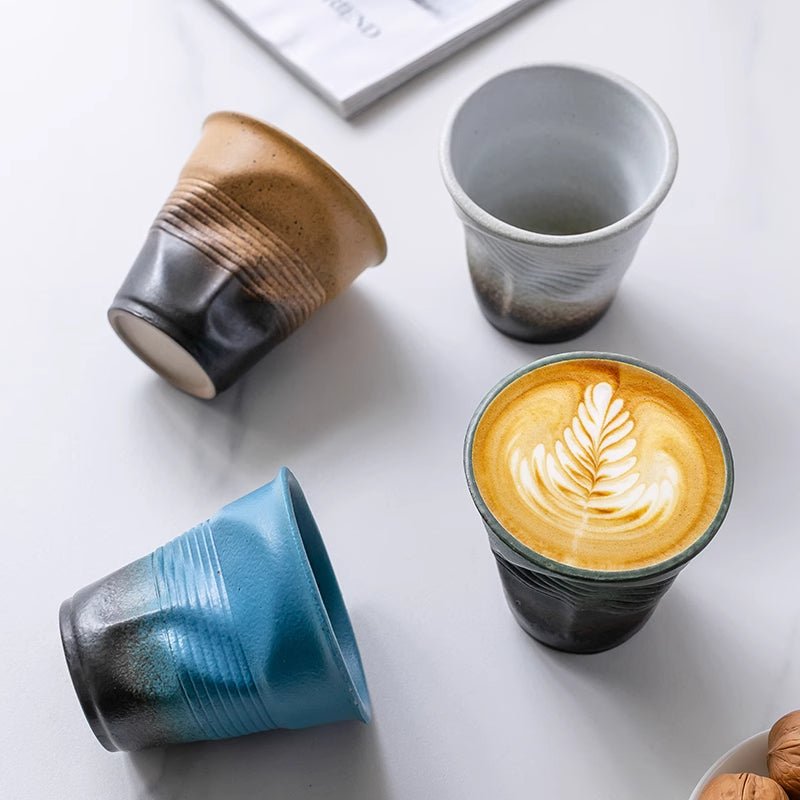
Big Tea Cup Buying Guide: How to Choose the Right One
A practical guide to choosing a big tea cup that fits your tea habit, your sink, and your desk. Compare size, material, comfort, and daily-use details before you buy.
Read more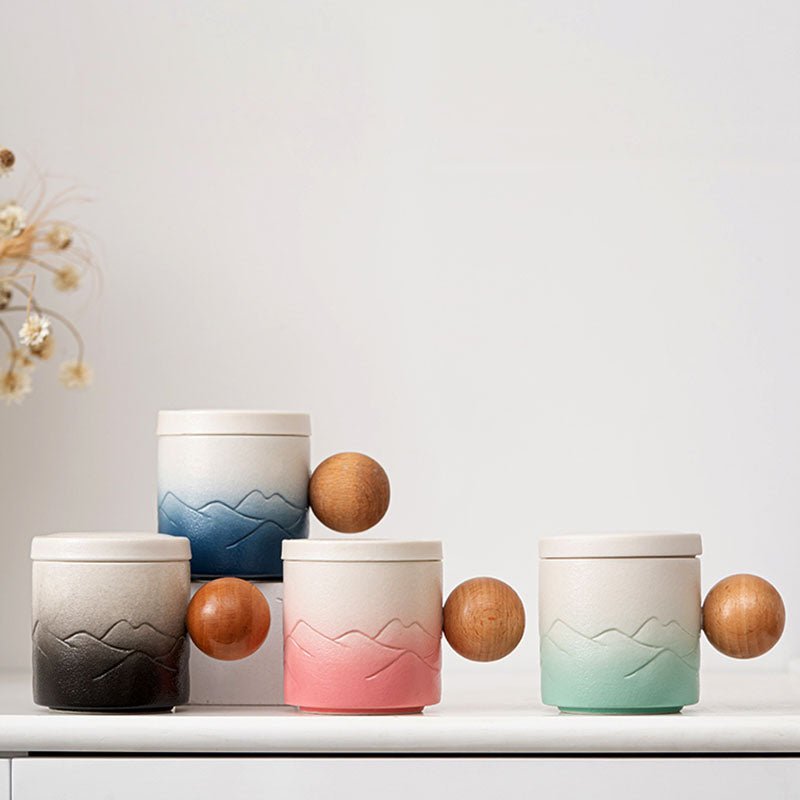
Mug Wood Buying Guide for Daily Use, Care, and Fit
We break down what mug wood means in real use, what to check in the handle, finish, and wash care, and which styles are better for desks, gifts, and everyday coffee.
Read more
Los kommentaar
This site is protected by hCaptcha and the hCaptcha Privacy Policy and Terms of Service apply.