
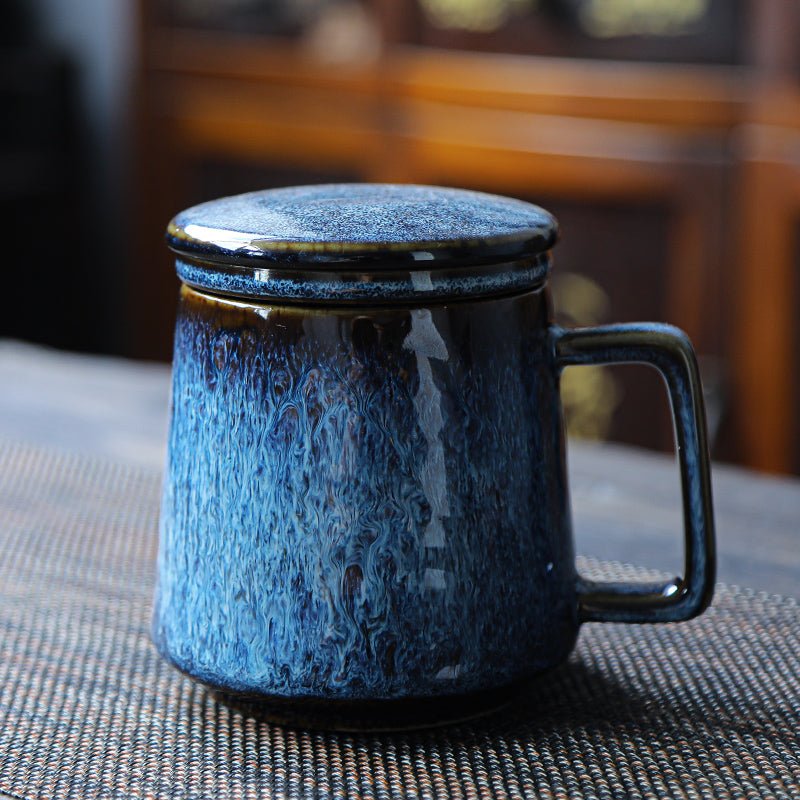
Coffee Mug Crochet Pattern: Fit, Yarn, and Mug Size Guide
Reading time: about 9 minutes
A mug cozy that looks neat on the table can still fail the moment it meets a real cup. We see that most often with a coffee mug crochet pattern that was written for a different handle shape, a thicker wall, or a slightly wider rim than the mug at home.
If you are making one for a gift, an office desk, or your own kitchen counter, the best patterns are the ones that start with measurements instead of guesswork. That is the difference between a cozy that sits flat and one that rides up, twists, or leaves the handle half covered.
Our team handles a lot of mug shapes in the store, so we pay attention to the same details a maker needs to check before starting a project. If you want a quick product-side reference while you compare shapes, browse our all mugs collection and compare the body profile, handle clearance, and rim width before you choose a pattern.
What does a coffee mug crochet pattern need to fit well?
A good coffee mug crochet pattern does three jobs at once. It needs to wrap the mug body without sliding, leave the handle usable, and stay comfortable in the hand. That sounds simple, but the details matter.
We check four measurements before we trust a pattern:
- Base diameter: The bottom width tells you whether the cozy will cup the mug or flare out awkwardly.
- Body circumference: This is the number that decides whether the finished piece grips or gaps.
- Height to the lip: A cozy that climbs too high can interfere with sipping and lid use.
- Handle clearance: The opening has to match the mug handle, not just look neat on paper.
A pattern built around stretch alone is risky. Crochet stretches, but not evenly. A dense stitch can hold shape well on a straight-sided mug and fail on a tapered one. A looser stitch may be comfortable but can twist after a few wash cycles or after being pulled on and off at a desk several times a day.
If you need a pattern that is meant to work across more than one mug shape, read our Crochet Coffee Mug Cozy Fit Guide and Buying Tips before you cast on. It covers the fit issues that most patterns assume you already know how to solve.
Which yarn and stitch choices hold up around hot drinks?
For a coffee mug crochet pattern, the yarn choice affects more than appearance. It changes warmth, grip, washability, and whether the cozy can handle being used every morning or just for occasional gifting.
We usually steer makers toward yarn that behaves predictably. A smooth cotton or cotton-blend yarn is easier to keep tidy on a mug than fuzzy novelty yarn, which can hide the stitch definition and make a snug fit harder to judge. Acrylic can be fine for casual use, but it may feel less stable if the cozy gets tugged often or washed frequently. Wool has a nice hand, but it can be more sensitive to care and may not suit every buyer.
Stitch choice matters just as much:
- Single crochet: Dense, neat, and usually the safest choice for structure.
- Half double crochet: Slightly taller and faster, but it can loosen the fit if the pattern is not adjusted.
- Ribbing or post stitches: Useful when you want more grip and a little give around a tapered mug.
We do not recommend a chunky, oversized stitch for a mug that will be used with hot drinks at a desk. It can look attractive in photos, but the bulk can make the mug awkward to hold and may interfere with a lid. For a gift basket or a decorative shelf piece, that may be fine. For daily use, it is less practical.
If you are checking mug dimensions before choosing yarn weight, our 10 oz Coffee Mug: Size, Fit, and What to Check Before You Buy and 11 oz Coffee Mug: Size, Fit, and What to Check Before You Buy articles are useful references. They help you match the pattern to the mug instead of forcing the mug to match the pattern.
How do you size a pattern for different mug shapes?
This is where many projects go off track. A straight-sided mug, a tapered mug, and a mug with a wide handle all ask for different pattern adjustments, even if the capacity is similar.
We suggest treating sizing as a short test process:
- Measure the mug body around the widest part where the cozy will sit.
- Measure the handle opening if the pattern includes a side cutout or strap.
- Compare those numbers to the pattern gauge before starting.
- Work a small swatch in the intended stitch and check how much it relaxes after a few minutes.
- Fit the piece on the mug before weaving in all ends.
That last step saves time. A cozy that looks perfect flat on the table can become too tight once the mug curves inward near the base, or too loose if the stitch opens up more than expected.
In our store, we see this most often with mugs that have sculpted surfaces or angled profiles. A rounded body can cause a cozy to ride upward, while a squared-off mug can create gaps at the corners of the stitch work. If you want to compare mug silhouettes before making the pattern, the Spittoon Coffee Tea Mug is a useful example of a shape check because its profile forces you to think about body clearance instead of just capacity.
For a more decorative shape that still needs a careful fit, the Planet Coffee Tea Mug is a better reminder that a pattern should follow the mug wall, not only the drink volume. Different handles and body curves will change how the cozy sits in the hand.
A pattern that fits one mug neatly may feel wrong on another mug with the same size label. Capacity alone is not enough. Handle shape and body taper matter just as much.
What mistakes make a mug cozy fail in daily use?
We have seen a few repeat problems across patterns and finished samples. They are easy to miss when you are focused on color or stitch texture, but they show up fast once the mug gets used.
- Too much stretch: The cozy loosens after a few wears and starts sliding.
- No allowance for shrinkage: A dense washable yarn can tighten after washing, especially if the swatch was not checked first.
- Weak handle planning: A beautifully stitched cozy is still frustrating if the handle opening is too narrow.
- Bulky seams: A thick joining seam can make the mug sit unevenly on a desk.
- Overly decorative edges: Shells, picots, and large frills can catch on a bag or make the cozy awkward in a cup holder.
The trade-off is simple. The more decorative the pattern, the more careful you need to be about fit. A very textured design may look better in photos but be less comfortable in a break room or office setting. A plain, structured pattern may not look as fancy, but it is usually the better choice for a mug that will be handled every day.
That is also why we like pointing readers to our Crochet Coffee Mug Cozy: Fit, Materials, and Buying Tips. It goes deeper on the practical side of material choice and what breaks first when a cozy is used regularly.
Which mug styles are easiest to pair with a crochet pattern?
If your goal is a pattern that works without constant adjustment, some mug styles are easier than others. Straight or slightly tapered mugs are the simplest. They give the cozy a consistent surface to grip, and the pattern can stay cleaner around the sides.
More sculptural mugs can still work, but they ask for more patience. A mug with a strong taper may need short rows, a shaped join, or a ribbed section to keep the fabric from gaping. A mug with a wide handle or a thick wall may need a wider opening than the pattern originally planned.
The Rhombus Coffee Tea Mug is a good reminder that a geometric body can change the way a cozy lays against the surface. On a mug like that, a pattern with a little structure often looks better than a loose, drapey design.
For shoppers who want to keep the buying decision simple, this is our practical rule:
- Choose a straight mug if you want the easiest first project.
- Choose a tapered mug if you are comfortable making small fit adjustments.
- Choose a decorative mug if the cozy is mainly for gifting or display, not heavy daily use.
If you are still comparing mug size and fit before you start, our broader all mugs collection gives you a quick way to compare silhouettes side by side.
How should you care for a crochet mug cozy?
Care depends on the yarn, but a few habits are consistent. If the cozy is made from cotton or a cotton blend, it usually handles regular washing better than a delicate novelty yarn. If it is made for a gift, we recommend including a simple care note so the recipient does not guess.
Practical care steps we suggest:
- Remove the cozy before washing the mug.
- Wash the cozy gently based on the yarn label.
- Reshape it while damp so the fit stays even.
- Air dry flat instead of hanging it, which can stretch the body.
A mug cozy is not a substitute for insulation. It can improve grip and help with surface condensation or warmth at the hand, but it is not a heavy-duty thermal sleeve. If you need maximum heat retention or a travel-friendly option, a different product type is the better choice.
Frequently asked questions
What size mug works best with a coffee mug crochet pattern?
Most patterns are easiest to fit on a straight-sided mug in the 10 oz to 11 oz range, but the exact number matters less than the actual body circumference and handle opening. Two mugs with the same capacity can still need different adjustments. Measure the mug before starting instead of relying on the label alone.
Is cotton or acrylic better for a mug cozy?
Cotton is usually the safer choice if you want a crisp stitch definition and straightforward care. Acrylic can work for casual use, but it may not feel as stable in the hand if the cozy gets worn often. We would choose based on how the mug will be used, not just on price or softness.
Can I use the same pattern for different mug shapes?
Sometimes, but not without checking fit. A straight mug and a tapered mug often need different stitch counts, even when they hold the same amount of coffee. If you want one pattern to cover several mugs, pick a simple structure and expect to make small adjustments.
What is the biggest mistake beginners make?
Starting with a pattern that skips measurements. The second biggest mistake is using a decorative stitch before testing the gauge. A mug cozy that looks good flat can become too loose or too tight once it is wrapped around a real cup.
Should I buy the mug first or the yarn first?
Buy the mug first if the cozy has to fit a specific cup, especially for a gift or a branded office mug. If you are making a general practice piece, you can start with yarn, but you should still choose a mug shape to test against before finishing the project.
If you are ready to choose a mug for the project, start with the shape first and the yarn second. Compare a few options in our all mugs collection, then check the fit notes in our Crochet Coffee Mug Cozy Fit Guide and Buying Tips so the pattern you pick actually works on the mug you plan to use.
Read more
Homer Laughlin Coffee Mugs: What to Check Before You Buy
A practical guide to choosing Homer Laughlin coffee mugs with the right size, handle feel, and daily-use durability. We also compare a few similar mugs we actually sell so you can decide faster.
Read more
Coffee Mug Golf Buying Guide for Gifts, Desks, and Daily Use
A practical guide to coffee mug golf for shoppers comparing gift-worthy shapes, desk-friendly sizes, and everyday usability. We break down what actually matters before you buy, including fit, feel,...
Read more
Los kommentaar
This site is protected by hCaptcha and the hCaptcha Privacy Policy and Terms of Service apply.