
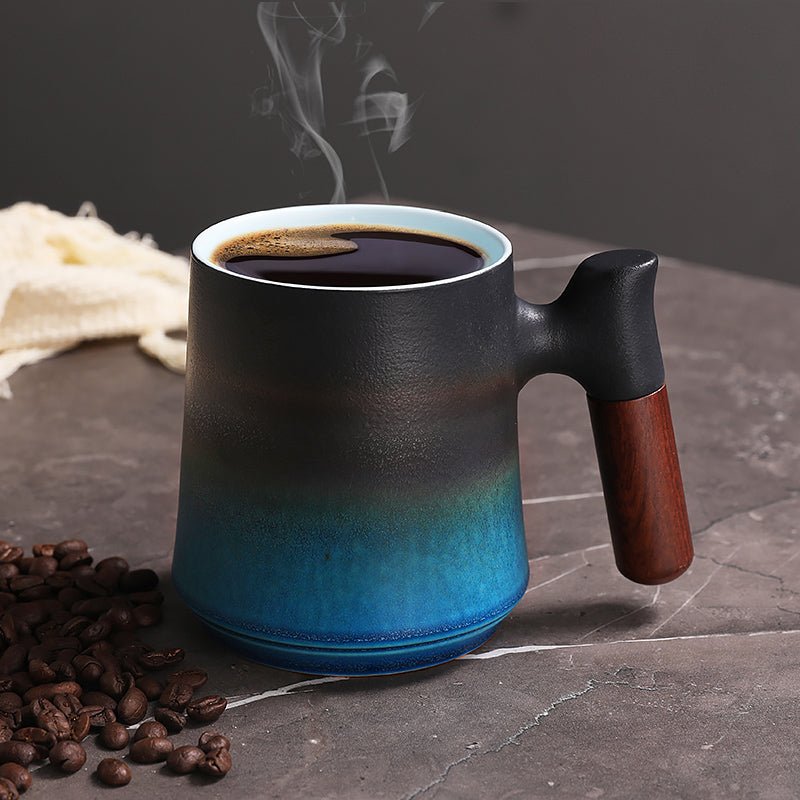
Coffee Cake Mug Cake Recipe: Right Mug, Timing, and Fixes
Reading time: about 10 minutes
The first thing we notice with a coffee cake mug cake recipe is not the batter. It is the mug. A cake that looks perfect in a mixing bowl can still come out gummy, overflow in the microwave, or bake into a dry puck if the cup is too small or too narrow. That is the part shoppers usually learn the hard way.
At CoffeifyMug, we handle a lot of mug sizes, shapes, and finishes, and we have seen the same pattern over and over: the right mug makes a quick dessert feel easy, while the wrong mug turns a five-minute snack into a cleanup job. If you want the recipe itself plus the practical mug advice, this guide is built for that. For a broader breakdown of how the category works, our post on Coffee Mug Cake: What It Is, How It Works, and What to Use is a good companion read.
This recipe is designed for a standard microwave-safe mug and a single serving. It is not the same as a full coffee cake baked in a pan. You will get a softer crumb, a quicker bake, and less streusel crunch than an oven version. That trade-off is the point. You are making something fast, portioned, and easy to eat right from the mug.
What is a coffee cake mug cake recipe supposed to taste like?
A good coffee cake mug cake recipe should taste like a light cinnamon cake with a buttery streusel-style top, not a dense brownie or a cup of sweetened bread. The crumb should be tender, the cinnamon warm, and the topping slightly sandy or crumbly after microwaving. It should also hold together when you spoon it, which means the batter needs enough structure to set in the microwave without turning rubbery.
In our experience, buyers usually want one of two things:
- A quick breakfast-style mug cake that pairs with coffee.
- A late-night dessert that does not require a full baking session or a pile of dishes.
This recipe works for both. It is also forgiving if you are making it in an office break room or a small apartment kitchen where you only have a microwave, a spoon, and one mug.
Which mug size works best for this recipe?
The safest range is usually a mug that holds about 10 to 14 ounces, with 12 ounces often being the easiest middle ground. A mug that is too small can cause overflow. A mug that is too wide can spread the batter too thin, which makes the cake dry faster.
If you are comparing sizes, we have separate buying guides that go into fit and use cases: 10 oz Coffee Mug: Size, Fit, and What to Check Before You Buy, 11 oz Coffee Mug: Size, Fit, and What to Check Before You Buy, and 12 oz Coffee Mug: Size, Fit, and What to Check Before Buying. If you prefer a slightly roomier feel, the 14 oz Coffee Mug: What Buyers Should Check Before They Buy guide is useful too.
| Mug size | Best use | Trade-off |
|---|---|---|
| 10 oz | Small portions, tighter batter amount | Less margin for overflow |
| 11 oz | Standard mug cake use | Usually fine, but shape still matters |
| 12 oz | Most balanced for this recipe | May look a little short if the mug is very wide |
| 14 oz | Roomier mixing and topping space | Can bake thinner if the mug opens too wide |
We usually steer shoppers toward a straight-sided ceramic mug when they want consistent results. Tall, narrow mugs can trap heat and leave the center underdone. Very wide mugs can dry the edges before the middle sets. That is why our store pages focus so much on dimensions and shape, not just the number printed in the title.
What ingredients do you need for the recipe?
This version keeps the pantry list simple. You do not need specialty ingredients, and you do not need a mixer. A fork or spoon is enough.
For the cake base
- All-purpose flour
- Granulated sugar
- Baking powder
- Ground cinnamon
- A pinch of salt
- Milk or a milk alternative
- Neutral oil or melted butter
- Vanilla extract
For the streusel-style topping
- Brown sugar
- Flour
- Ground cinnamon
- Cold butter, or softened butter if that is what you have
That topping is what gives this dessert the coffee cake feel. Without it, you just have a cinnamon mug cake. Still good, but different. If you want a sturdier, more spoonable mug dessert, you can skip the streusel. If you want the classic coffee cake experience, keep it in.
One practical note from handling product and kitchen use cases: mugs with glossy glazed interiors tend to release batter more easily than rough stoneware surfaces with micro-texture. It is a small thing, but it matters when you are scraping the last spoonful from the sides.
How do you make coffee cake mug cake in the microwave?
We recommend mixing directly in the mug whenever possible. Fewer dishes. Less chance of overmixing. The batter should look smooth, but it does not need to be whipped.
- In the mug, stir together flour, sugar, baking powder, cinnamon, and salt.
- Add milk, oil or melted butter, and vanilla. Stir until just combined.
- In a small bowl or right in a pinch of your hand, mix the streusel ingredients until crumbly.
- Sprinkle the topping over the batter.
- Microwave on high for about 60 to 90 seconds, checking early if your microwave runs hot.
- Let it sit for 1 minute before eating. The center finishes setting as it rests.
Do not rush the rest time. That pause is where a lot of the final texture happens. If you eat it immediately, the middle can feel wet even when it is actually just finishing steam-set. We see that mistake all the time in customer questions.
If you want a deeper walk-through on timing and common fixes, our article Coffee Mug Cake in Microwave: The Right Mug, Timing, and Fixes is worth bookmarking.
Why does a mug cake turn rubbery or dry?
Rubbery usually means one of three things: too much mixing, too much microwave time, or too little fat in the batter. Dry usually means the mug was too wide, the batter was overcooked, or the measuring was too heavy on flour.
Here is how we would troubleshoot it in plain language:
- Rubbery center: shorten the microwave time by 10 to 15 seconds next time.
- Dry edges: use a mug with a narrower opening or reduce cook time slightly.
- Overflow: choose a larger mug or cut the batter amount a little.
- Flat, weak crumb: check that your baking powder is still active.
- Dense texture: stop stirring as soon as the dry ingredients disappear.
Microwave wattage matters too. A 700-watt machine and a 1000-watt machine do not behave the same. That is why no honest recipe should promise one exact minute for every kitchen. Start low, check early, and adjust.
In our experience, the best mug cakes are slightly underbaked when they come out of the microwave. The rest time finishes the job and protects the crumb.
Which mug materials are best for mug cake baking?
For this recipe, microwave-safe ceramic is the most reliable choice. It heats fairly evenly, holds its shape well, and is the easiest to use for repeat results. Glass can work if it is microwave-safe and thick enough to handle heat, though it often runs hotter to the touch. Plastic is not the right choice for baking style use, even if it is technically microwave-safe for reheating.
We also look at practical details shoppers often miss:
- Wall thickness: very thin mugs can get hot fast and feel unstable in the hand.
- Handle size: a small handle can be awkward when the mug is warm and full.
- Opening diameter: wider mouths make mixing easier, but can change bake time.
- Finish: smooth glazed interiors are easier to clean after sticky batter.
If you are shopping for a mug specifically for desserts, start with our collection of mugs and related picks. We also keep our product range visible on the main products page for shoppers who want to compare styles before deciding.
What should you avoid if you want better results?
A coffee cake mug cake recipe is simple, but a few habits make it fail fast. We would avoid these every time:
- Using a mug that is too small for the batter amount.
- Overmixing until the batter is glossy and elastic.
- Microwaving in one long blast without checking early.
- Skipping the rest time after cooking.
- Using a mug with chips, cracks, or rough interior damage.
That last one matters more than many shoppers expect. A chipped mug is not just a visual problem. It can be uncomfortable to hold, harder to clean, and less pleasant for everyday use. If you are buying a mug to use often, not just for one dessert, choosing a solid rim and a comfortable handle is worth the attention.
How do you make it taste more like classic coffee cake?
Classic coffee cake flavor comes from cinnamon, brown sugar, and a little butter. If you want that familiar bakery-style taste, lean into those three pieces. A tiny pinch of nutmeg can work too, but keep it light. Too much and the mug cake starts tasting like spice bread instead of coffee cake.
Two easy upgrades we have seen customers enjoy:
- Swirl a little cinnamon sugar into the batter before microwaving for a more layered bite.
- Top with a spoonful of glaze after cooking if you want a sweeter finish.
That said, this is still a mug cake. It will never have the same crisp streusel edges you get from an oven-baked square pan. If a crunchy topping is the whole reason you want coffee cake, a microwave version may not fully satisfy you.
Frequently asked questions
Can I make a coffee cake mug cake recipe in an 11 oz mug?
Yes, an 11 oz mug is usually a good fit for a single-serving mug cake. It gives you enough room for the batter to rise without overflowing, as long as you do not fill it too high. If the mug has a very narrow opening, start with a slightly shorter cook time and check early.
Can I use butter instead of oil in a coffee cake mug cake recipe?
Yes, melted butter works and gives a richer flavor. Oil usually gives a softer, more consistently moist crumb, while butter adds more bakery-style taste. If you use butter, avoid overcooking because butter-based mug cakes can dry out faster.
Why did my mug cake overflow in the microwave?
Most overflow problems come from a mug that is too small or batter that was filled too high. Some microwaves also run hotter than expected, which can cause rapid rising. Use a larger mug next time, and stop mixing as soon as the ingredients are combined.
Can I make this without baking powder?
You can try, but the texture will be denser and less cake-like. Baking powder is what gives the batter lift in a microwave setting. Without it, you get more of a soft sweet batter than a true mug cake.
What mug material is safest for microwave baking?
Microwave-safe ceramic is the most dependable choice for this recipe. It handles heat well, is easy to hold, and is common for everyday use. Just avoid mugs with metallic trim or visible cracks.
What should you check before buying a mug for this recipe?
If you are buying a mug specifically for mug cakes, we would check four things first: capacity, mouth width, handle comfort, and microwave-safe construction. A mug that looks good on a shelf is not always a good baking mug. A straight-sided 10 to 14 oz ceramic mug is usually the most useful starting point for this recipe.
For shoppers comparing options, the simple checklist is this:
- Does it hold at least 10 oz?
- Is the interior smooth enough to mix batter without clumping?
- Is the opening wide enough to stir comfortably?
- Does the handle stay comfortable after microwaving?
- Is it microwave-safe for actual cooking, not just reheating?
If you are ready to compare mug styles for this kind of use, browse our full mug collection or check the products page to find a shape that fits both coffee and dessert use. The best mug for this recipe is usually the one that feels stable in your hand, gives the batter room to rise, and cleans up easily the next morning.
More from our blog
Read more
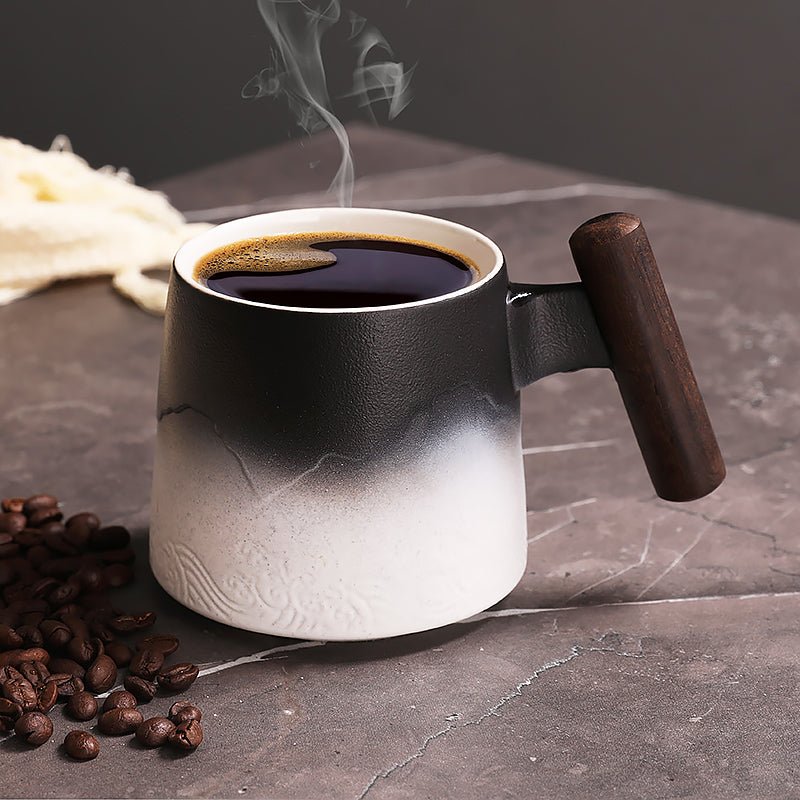
Bulk Custom Coffee Mugs: What Buyers Should Check Before Ordering
A practical guide to bulk custom coffee mugs for offices, events, and gift programs. We cover sizes, materials, print checks, and the trade-offs that matter before you place an order.
Read more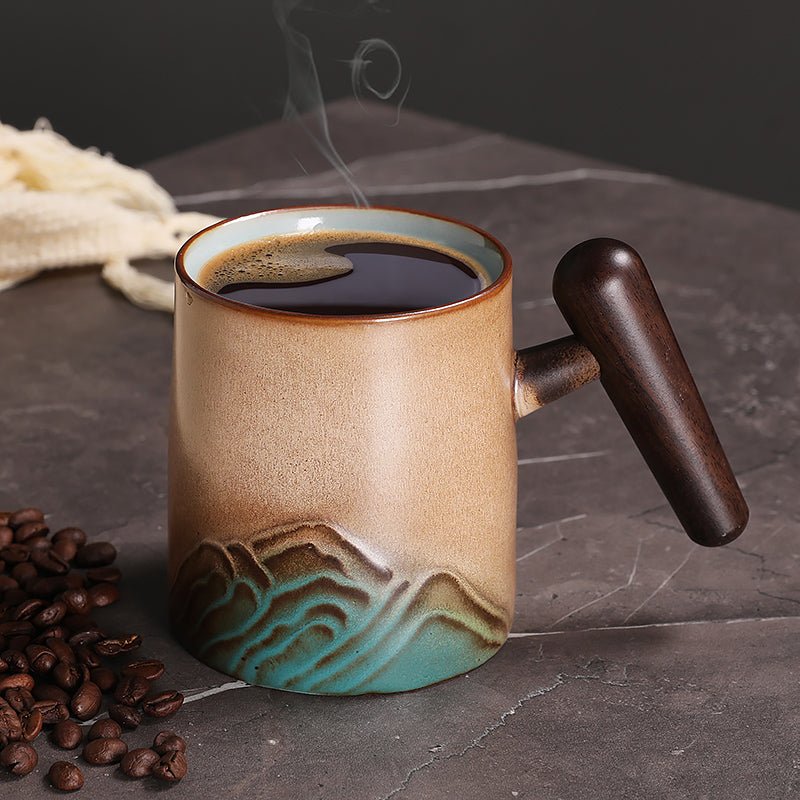
Coffee Mug Coffee Pot Buying Guide for Buyers Comparing Fit and Material
A practical guide to choosing a coffee mug coffee pot that fits your routine, your mug size, and your cleanup habits. We cover the real trade-offs in material, capacity, and day-to-day use so you c...
Read more
Los kommentaar
This site is protected by hCaptcha and the hCaptcha Privacy Policy and Terms of Service apply.