
Ceramic Sculptural Mug for Small Coffee Setup: What to Compare
Reading time: about 9 minutes
A mug can fit under your coffee machine and still be awkward everywhere else. On a narrow counter, the handle may bump the grinder; in a shallow cabinet, a curved body can prevent two mugs from sitting side by side. Choosing a ceramic sculptural mug for small coffee setup therefore requires more than checking the stated capacity. The mug's full three-dimensional form, handle projection, base, and daily drink volume all affect whether it earns its space.
We handle sculptural mugs as functional drinkware, not just decorative objects. In our store, the useful comparisons usually happen after a shopper pictures the mug beside a compact brewer, on an office desk, or in the one cabinet shelf available for coffee cups. The right design should be visually distinctive without making the setup harder to use.
How much shelf and counter space does a sculptural form use?
Start with the mug's complete footprint, not only the diameter of its cup body. A rounded handle, projecting curve, or purse-like edge creates a larger storage boundary around the mug. This boundary is sometimes called the object's bounding box: the smallest rectangular space needed to contain the whole form.
Before choosing from our unique coffee mug collection, measure the places where the mug will actually be used. Three measurements are especially useful:
- Counter allowance: Measure the open area beside the brewer after accounting for the grinder, milk container, spoon rest, and any cords.
- Shelf clearance: Record the usable height, depth, and width between neighboring cups. Include the handle in the width.
- Machine clearance: Check the distance beneath the coffee outlet and the usable area on the drip tray. A mug can have a modest capacity but still be too tall or wide for a compact machine.
Product capacity cannot answer these questions by itself. A 250 ml mug with an outward-projecting handle may require more side clearance than a larger, straighter vessel. Product photos can help you identify projecting elements, but measurements of your own setup remain the reliable starting point.
Ceramic sculptural mug for small coffee setup: which capacity fits?
The current sculptural options discussed here cover three useful capacity points: 250 ml, 310 ml, and 400 ml. Those numbers describe how much each mug is designed to hold, but they do not establish its external dimensions, machine compatibility, or comfortable working fill. Most people leave some room below the rim to reduce spills, especially when walking from a kitchen to a desk.
| Current option | Capacity | Form detail | Best starting use case |
|---|---|---|---|
| The Flow | 400 ml | Sculptural curves | Larger coffee, tea, or a drink needing more headroom |
| Ball Handle | 250 ml | Rounded sculptural handle | Smaller servings and shoppers prioritizing a distinctive grip area |
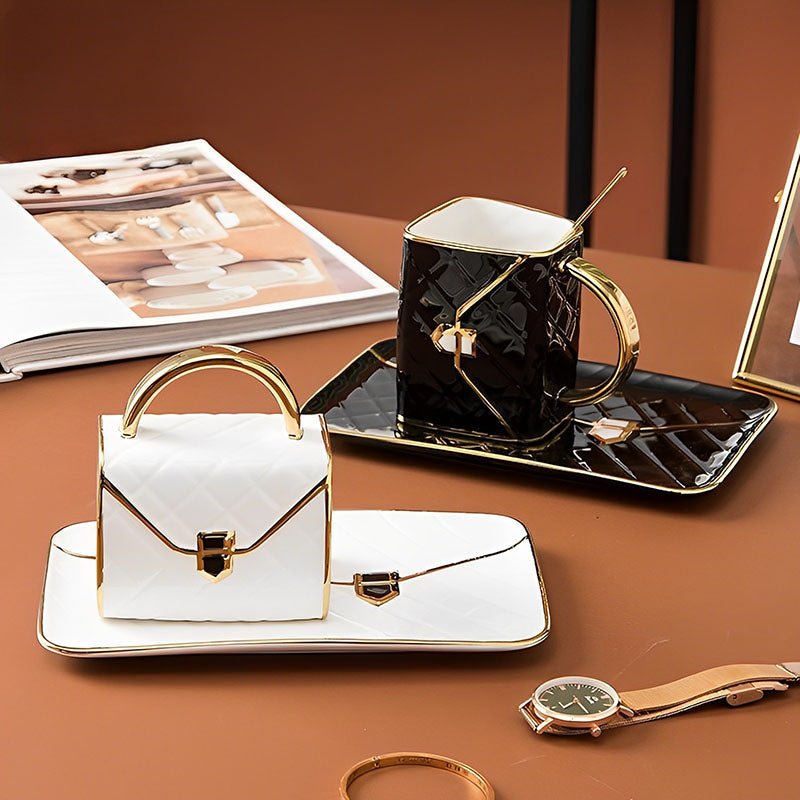
| Handbag | 310 ml | Purse-shaped silhouette | Mid-size drinks and a strongly recognizable display shape |
If you regularly finish a smaller coffee before it cools, the Ball Handled Coffee Tea Mug gives you a 250 ml option with a rounded sculptural handle. The capacity is useful for more restrained servings, but the handle still needs to be included in your shelf-width check.
For shoppers who prefer fewer refills, The Flow Coffee Tea Mug provides 400 ml and uses sculptural curves as the defining feature. It is the largest of these three by capacity. That does not automatically make it the largest externally, so compare available product details and your own counter measurements rather than estimating footprint from milliliters.
The Handbag Coffee Tea Mug sits between them at 310 ml. Its purse-shaped silhouette suits a shopper who wants the mug to function as a visible design object while keeping the drink volume below the 400 ml option.
Which shape works best beside a compact brewer or on a desk?
A small kitchen and a small office desk create different constraints. Beside a brewer, vertical clearance and drip-tray placement matter. On a desk, stability, hand clearance, and distance from electronics matter more. We recommend mentally walking through one complete drink routine before buying: remove the mug from the shelf, place it under the machine, carry it, set it beside a keyboard, wash it, and return it to storage.
- For a crowded brewer station: Inspect the widest part of the mug and handle. Make sure you can lift it without striking the machine or nearby canisters.
- For a narrow office desk: Check how much clear space the complete silhouette needs. Keep any ceramic mug away from the desk edge and from cables that could catch the handle.
- For open shelving: A sculptural profile can add visual interest, but projecting forms reduce how tightly mugs can be grouped.
- For closed cabinets: Confirm depth as well as height. Turning a large handle sideways may solve a width problem but create a depth problem.
If capacity is your main concern and a form near 12 oz is easier to compare with your usual order, our guide to 12 oz ceramic coffee mugs for small coffee setups covers that serving-size decision in more detail.
What should you inspect on a three-dimensional ceramic mug?
Sculptural mugs differ from mugs decorated mainly with printed or painted surface artwork. Here, the physical form is the feature. Curves, handle geometry, and silhouette affect grip, cleaning access, storage, and the way the mug sits on a surface.
On any ceramic mug, inspect the areas that receive the most handling. Run a finger carefully around the drinking rim to check for rough spots or chips. Look at the handle-to-body joins for visible cracking, and place the empty mug on a flat counter to check for rocking. Examine the foot ring as well; an uneven or damaged contact surface can make the mug less settled on a desk.
Glaze can appear visually different where it follows deep curves or recessed details. That variation is not automatically a functional problem. The issues that deserve attention are sharp exposed areas, active cracks, rim damage, or a handle that does not feel secure. Stop using a ceramic mug if damage raises concerns about safe handling.
Handle comfort is personal, especially with sculptural forms. Consider how many fingers you normally place through or around a handle and whether you hold the body for added support. A visually prominent rounded handle may appeal to one shopper and feel less conventional to another. That is a genuine trade-off, not a quality judgment.
How much cleaning effort should a detailed ceramic form require?
A smooth cylinder is generally easier to wipe and dry than a mug with pronounced external contours. Sculptural curves can create recesses where coffee splashes, soap, or water remain visible. After use, rinse those areas promptly and clean them with a soft sponge that can follow the form without forcing pressure into narrow details.
- Rinse the interior soon after coffee or tea, especially if milk or sweetener was used.
- Clean around the rim, handle joins, and recessed exterior curves with a non-abrasive sponge.
- Rinse away soap from all contours instead of checking only the bowl.
- Dry the base and foot ring before returning the mug to a shelf, particularly on wood or other moisture-sensitive surfaces.
- Follow the care instructions on the specific product listing. Do not infer dishwasher or microwave compatibility from ceramic material alone.
If a mug will go through frequent dishwasher cycles, confirm that the listed care guidance matches that routine before ordering. A buyer who wants the simplest possible washing and stacking experience may be happier with a conventional straight-sided mug. Sculptural drinkware asks for more attention because its functional shape is also its visual feature.
Which current CoffeifyMug shape matches your routine?
Choose The Flow for a larger daily drink. A shopper who prepares a long coffee, tea, or another drink requiring more volume may benefit from its 400 ml capacity. The sculptural curves make it a display-forward choice. It is less suitable if your machine has very limited clearance or if you only drink short servings, unless the product dimensions also work for your station.
Choose Ball Handle for a smaller serving and prominent handle design. At 250 ml, it is the lowest-capacity option in this comparison. The rounded sculptural handle is the key visual element, so it suits someone who wants the design concentrated around the grip. It is not the automatic choice for tight cabinet storage because the handle's external projection still matters.
Choose Handbag for a middle capacity and object-like silhouette. The 310 ml volume falls between the other two, while the purse-shaped form creates a clear gift and display identity. It can suit an open shelf or a recipient who enjoys unconventional drinkware. It is not intended to disappear into a uniform, tightly stacked mug set.
For gift buyers, shape should follow the recipient's routine as well as their taste. Check the size of their usual coffee, the available shelf space, and how often they use a dishwasher. A memorable unboxing is useful, but the mug still needs a practical place to live afterward.
When is a sculptural mug the wrong choice?
Sculptural ceramic mugs are not the best answer for every small coffee station. Choose a simpler form if storage efficiency, nesting, or easy replacement matters more than visual character. They may also be a poor fit for a very cramped shared office kitchen where cups are repeatedly moved, crowded together, or handled by many people.
If your priority is maximum contact area on the desk, compare a ceramic wide-bottom mug for a small coffee setup. A wide base can support a stability-focused buying decision, although it may claim more counter area. If even 250 ml exceeds your usual serving, the comparison should shift to a ceramic espresso cup for a compact setup rather than forcing a larger sculptural mug into the space.
Frequently asked questions
Is a ceramic sculptural mug for small coffee setup practical every day?
It can be, provided the full shape fits your machine, counter, and shelf. Daily practicality depends on handle clearance, a stable resting position, comfortable capacity, and a cleaning routine that reaches the mug's curves.
Is a 250 ml sculptural mug large enough for regular coffee?
A 250 ml mug suits smaller coffees and drinkers who prefer a fresh refill instead of one large serving. It may feel restrictive for long coffee, generous tea servings, or drinks that need extra room for milk, foam, or ice.
Does a 400 ml mug always take up more shelf space than a 310 ml mug?
No. Capacity measures internal volume, while shelf use depends on external height, width, depth, handle projection, and silhouette. Compare the available product details with measurements from your cabinet before assuming that capacity predicts footprint.
Can sculptural ceramic mugs go in a dishwasher or microwave?
Do not assume care compatibility based only on the word ceramic. Check the instructions on the specific product page and follow them, as glaze, decoration, and construction details can affect the recommended care routine.
Which sculptural mug capacity is best for a gift?
Match the capacity to the recipient's usual drink: 250 ml for smaller servings, 310 ml for a middle option, or 400 ml for a larger cup. Also consider their cabinet space and tolerance for cleaning a more detailed shape.
Your small-space comparison checklist
- Measure the machine opening, drip tray, counter space, and cabinet shelf.
- Compare the whole silhouette, including the handle, rather than capacity alone.
- Choose among 250 ml, 310 ml, and 400 ml based on the drink actually prepared most often.
- Check the rim, handle joins, base, and foot ring when the mug arrives.
- Confirm care instructions before using a dishwasher or microwave.
- Prefer a simpler cup if tight stacking and minimal cleaning effort are the main goals.
Use those measurements while browsing the CoffeifyMug unique coffee mug collection. Compare The Flow, Ball Handle, and Handbag against the same checklist, then choose the form that fits both your drink volume and the physical limits of your coffee station.
Read more
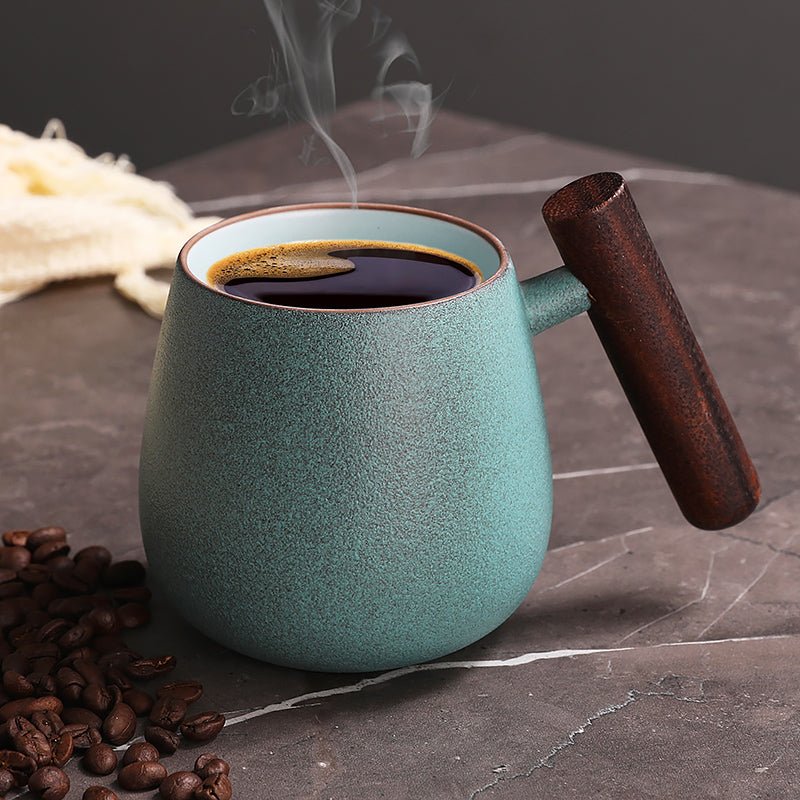
Cacao cup for small coffee setup: compare size and capacity
Compare three everyday cacao cup options by listed capacity, shelf width, visible opening, and counter footprint. This guide explains the practical trade-offs between 250, 390, and 400 ml shapes.
Read more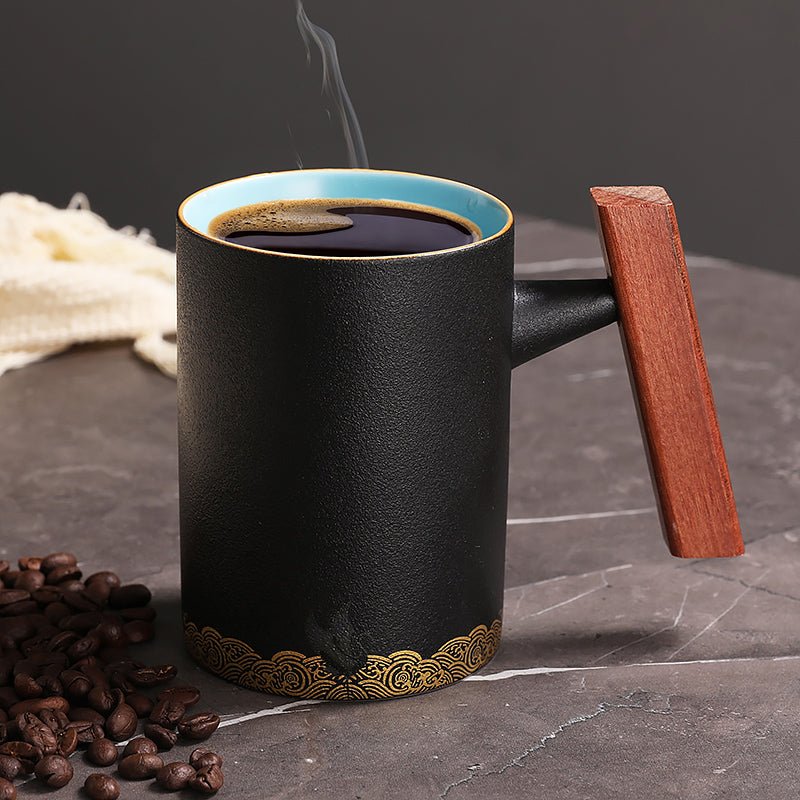
Unique Design Coffee Mugs for Desk Use: Capacity and Fit
Compare distinctive coffee mugs by usable capacity, total desk footprint, handle clearance, refill frequency, and care needs. This guide also explains which CoffeifyMug designs suit style-led, geom...
Read more
Los kommentaar
This site is protected by hCaptcha and the hCaptcha Privacy Policy and Terms of Service apply.