
Ceramic Coffee Mugs to Paint: What to Buy and What to Avoid
Reading time: about 9 minutes
A mug that looks great on a craft table can still be frustrating once paint hits the surface. We see that most often with buyers who want ceramic coffee mugs to paint for gifts, office sets, or weekend projects, but end up with a mug that has a rough glaze, a handle that feels awkward in the hand, or a shape that makes the design harder to place evenly.
Our store handles a lot of mug styles, so we look at these purchases the same way a real buyer would: how the surface takes paint, how the mug feels after a few dishwasher cycles, and whether the shape makes sense for daily use after the decorating is done. If you want to compare options first, start with our Pleated Coffee Tea Cup and browse the rest of our collection before you commit to a project mug.
What makes a ceramic mug good for painting?
The best mug for painting is not the flashiest one. It is the one with a smooth, even ceramic exterior, a shape that gives you enough room to work, and a finish that accepts paint without beading up or cracking immediately. In practice, that usually means a glazed ceramic body with a clean surface, no heavy texture, and no awkward curves where your brush has to fight the mug.
Here is what we check first in our own store when a customer is buying for decorating:
- Surface finish: A smooth glaze is easier to paint on than a heavily textured surface.
- Body shape: Straight or gently tapered walls make lettering and simple graphics easier than deep ribs or strong ridges.
- Handle clearance: A handle that leaves room for fingers matters if the mug will be used daily after decorating.
- Rim quality: A clean, even rim gives the finished mug a more polished look.
That is why some buyers prefer more sculptural shapes for display and simpler shapes for actual use. If you want to read a more practical pre-purchase checklist, our article Ceramic Coffee Mugs to Paint: What Buyers Should Check Before Ordering goes deeper on the same decision points.
Which mug shapes paint best?
For most people, the easiest mug to paint is a shape with a stable base and a broad middle section. That gives you a better working area for names, initials, hand-lettered quotes, or simple line art. A mug with a narrow waist or a ribbed body can still work, but it asks more from the painter.
We think of the main options like this:
| Shape | Best for | Trade-off |
|---|---|---|
| Straight-sided mug | Text, logos, simple icons | Less visual character than sculpted styles |
| Gently tapered mug | Everyday use and most hand-painted designs | Design placement needs a little more planning |
| Textured or pleated mug | Gift pieces and decorative finishes | Brush work can be harder across ridges |
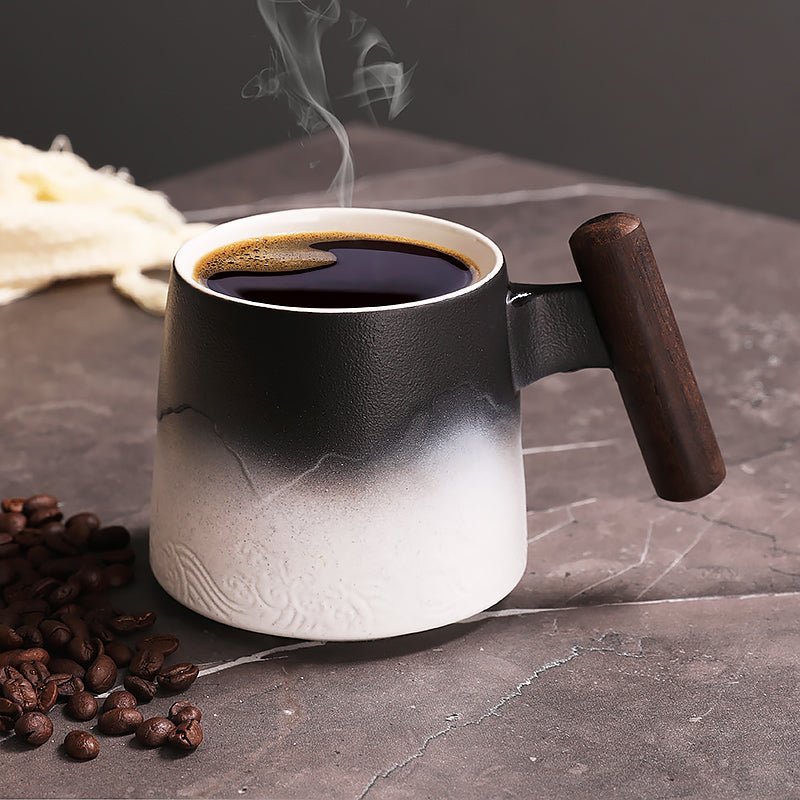
Our The Flow Coffee Tea Mug is a good example of a shape that feels modern without making the painting surface too difficult. If you want something with a more decorative profile, Mountain Sea Coffee Tea Mug has a more artistic presence on a desk or shelf, but that kind of profile is better for designs that work with the shape instead of fighting it.
What paint and prep actually hold up on ceramic?
For hand-painted mugs, the prep matters as much as the paint. A mug that still has dust, oil from handling, or residue from packaging can cause paint to pull away in tiny spots. We recommend wiping the surface down before any paint touches it, then letting it dry completely. If the mug is going to be used for drinking, make sure the paint and sealer you choose are intended for ceramics and for the final use you want.
Common approaches include ceramic paint, enamel-style paint, or paint made for glass and ceramics. Some crafters also use baked-on methods, but not every mug should be heat-cured the same way. If the product instructions do not support oven curing, do not assume it will behave the same as a craft mug you used last year.
- Clean first: Wipe the mug with a lint-free cloth before painting.
- Test a small area: Especially on glossy glazes, a tiny test tells you whether the paint grips well.
- Let it cure fully: Rushing the drying stage is a common reason designs smudge or chip early.
- Handle with care after finishing: Even a good finish can fail if it is scrubbed too aggressively too soon.
We cover the daily-use side of that decision more fully in Ceramic Coffee Mugs: How to Choose the Right One for Daily Use, because a mug that paints well is not always the mug that survives heavy sink traffic best.
Should you choose a decorative mug or a daily-use mug?
This is the trade-off most buyers miss. A highly decorative mug can look better as a finished piece, but the same details that make it attractive can make it less comfortable or less practical in real use. A simpler mug is usually easier to paint, easier to hold, and easier to wash.
Choose a decorative mug if:
- You are making a gift meant to sit on a shelf or desk more than in a dishwasher.
- You want to paint around a distinctive profile instead of covering a plain cylinder.
- You are comfortable working around ridges, curves, or visual texture.
Choose a daily-use mug if:
- You want the design to survive regular mornings, office coffee runs, and repeated washing.
- You want a finish that is easier to re-clean after coffee or tea stains.
- You care more about comfort and balance than about a highly sculptural silhouette.
That is the point where a buyer should be honest about the mug’s job. A painted mug for an office desk does not need the same durability expectations as one made only for display. If the goal is gifting, buying from a broader range can help you match the mug style to the recipient. Our full collection is the fastest place to compare shapes without guessing from a single product page.
Which details do we inspect before we stock a paintable mug?
In our experience, the small defects are what separate a good blank mug from a disappointing one. We look for a consistent glaze, a handle that feels balanced, and a body that does not wobble on a flat table. A mug can still be usable with tiny imperfections, but those flaws are more noticeable once the surface is painted.
Three details matter more than most buyers expect:
- Glaze consistency: Uneven glaze can cause paint to sit differently across the surface.
- Handle join: A rough join where the handle meets the body is uncomfortable to hold and can be awkward to paint around.
- Base stability: A mug that rocks on a counter is a poor choice for both painting and daily use.
We also think about how the mug will look after real life gets involved. Coffee rings happen. Brush marks happen. A good blank mug makes those issues easier to manage. A bad one turns every small flaw into the center of the design. That is one reason some customers prefer checking a curated set instead of buying random blanks from a marketplace.
What are the best use cases for painted ceramic mugs?
Painted mugs work best when the buyer has a clear use in mind. The design choice changes depending on the job.
- Gift mugs: Best for names, dates, simple illustrations, and color blocks that feel personal without being overloaded.
- Kitchen sets: Best for easy-to-read labels, matching motifs, or a cohesive family style.
- Office mugs: Best for low-fuss shapes that clean well and do not feel bulky in a desk drawer.
- Display pieces: Best for more detailed artwork, sculptural shapes, and bolder finishes.
For a gift, we usually recommend a mug that already looks good before paint goes on. That way, the final piece still works if the artwork stays minimal. A more sculpted option like Mountain Sea Coffee Tea Mug can carry a hand-painted look well, but it is not the easiest choice for a beginner doing clean lettering across a large flat area.
What should buyers avoid?
Not every ceramic mug is a good blank canvas. Some should be passed over, even if the price or style is tempting.
- Highly irregular surfaces: They make line work harder and can break up simple designs.
- Very narrow handles: They can feel uncomfortable and leave less room for a painted design near the handle.
- Overly glossy surfaces with no prep plan: These can resist paint if you do not know how your chosen paint system behaves.
- Mugs meant only for display: They may look good, but they are not always practical if the recipient wants a mug for real coffee use.
That does not mean decorative mugs are bad. It means the right mug depends on the project. If you want something more readable and easier to paint, a cleaner shape like the Pleated Coffee Tea Cup is easier to work with than a mug that has too much surface interruption.
Frequently asked questions
Are ceramic coffee mugs to paint dishwasher safe after decorating?
Sometimes, but only if the paint, sealer, and curing method are all designed for that use. We would not assume dishwasher safety just because the mug itself is ceramic. If the design is important, hand washing is usually the safer choice unless the paint system specifically says otherwise.
Do smooth ceramic mugs paint better than textured ones?
Yes, for most buyers. A smooth glaze gives you cleaner lines and more predictable paint coverage. Textured mugs can still look great, but they are harder to decorate neatly and usually suit simpler, more abstract designs.
What is the best ceramic mug shape for a beginner painter?
A straight-sided or gently tapered mug is usually the easiest place to start. It gives you a flatter visual field for lettering and simple shapes. Deep ridges, sharp curves, and heavy texture make beginner mistakes more visible.
Can I use regular acrylic paint on ceramic mugs?
Regular acrylic paint may work for display pieces, but it is not the first choice for mugs that will be washed or used often. For drinkware, use paint made for ceramic or enamel surfaces and follow the product instructions for drying or curing. If the mug will actually hold drinks, the paint system matters more than the art style.
Should I buy a plain mug or a decorative mug for a gift project?
Buy the one that matches the person receiving it. A plain mug is safer for clean, simple artwork and daily use. A decorative mug is better when the mug itself is part of the gift and the paint will complement the shape instead of covering it completely.
If you are ready to compare shapes, start with the mug style that fits your design plan, then check the rest of our collection against the same checklist: surface smoothness, handle comfort, and how the finished piece will be used after the paint dries.
More from our blog
Read more
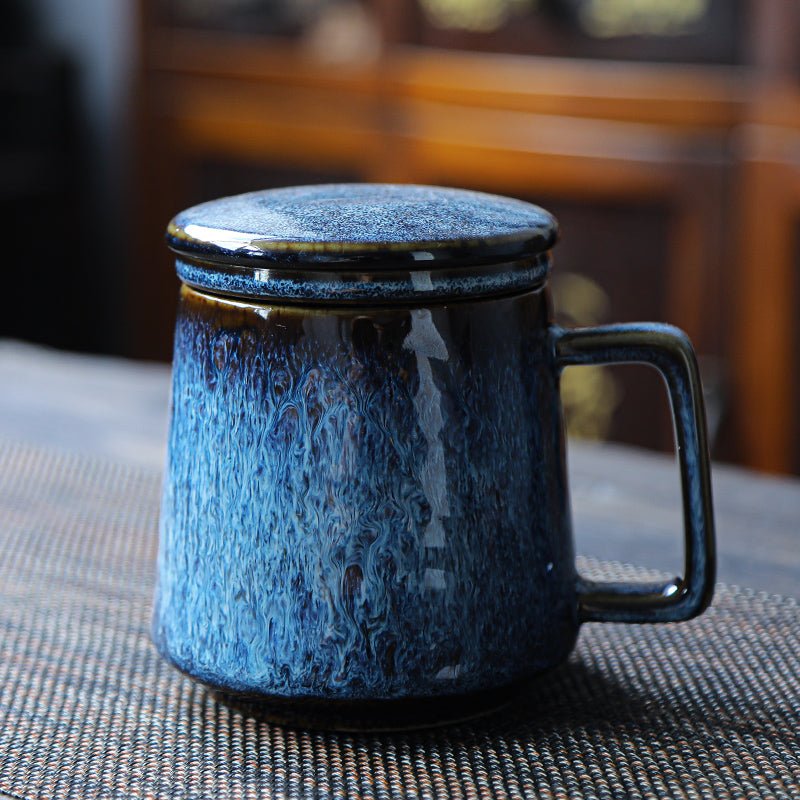
Fun Coffee Mugs That Actually Get Used Every Day
Fun coffee mugs can be more than a shelf piece. The right shape, size, and finish makes a mug that gets picked up for morning coffee, office tea, and quick gift-giving without feeling gimmicky.
Read more
Coffee Lid Mug: How to Choose One That Fits Your Routine
A coffee lid mug is useful only if the lid fits your routine, not just the cup. We compare lid styles, ceramic trade-offs, care, and which CoffeifyMug picks make sense for desks, kitchens, and gift...
Read more
Los kommentaar
This site is protected by hCaptcha and the hCaptcha Privacy Policy and Terms of Service apply.