
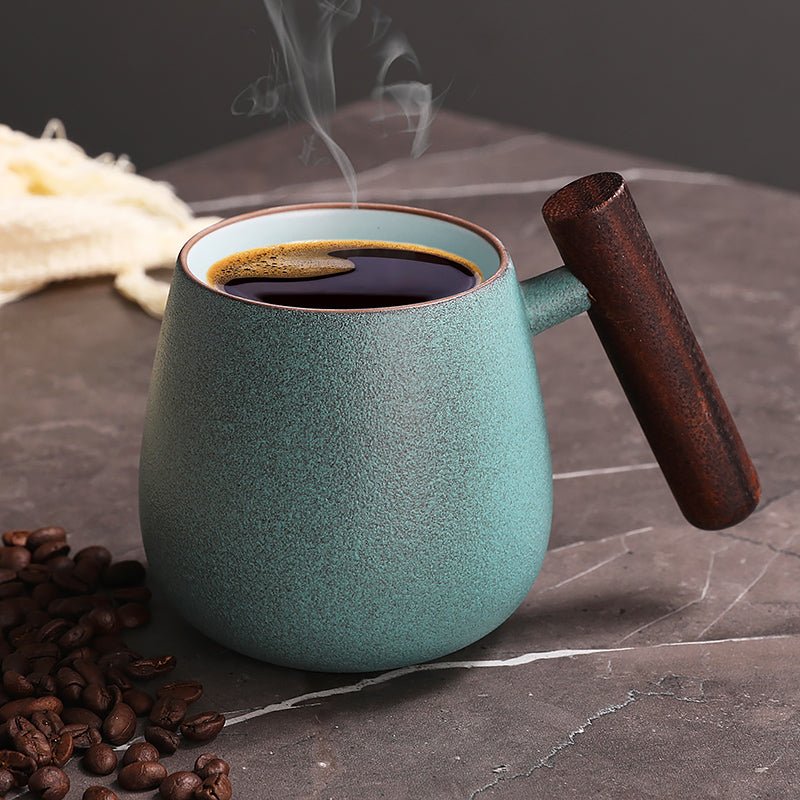
Ceramic Coffee Mugs Factory: What Buyers Should Check Before Ordering
Reading time: about 8 minutes
A mug looks simple on a product page. On the counter, the difference shows up fast: one mug feels steady in the hand, another runs too hot to hold, and a third starts chipping at the rim after a few dishwasher cycles. That is usually where the buyer starts asking what a ceramic coffee mugs factory actually does differently.
We work with this category every day in our store, so we pay attention to the details that matter after the box is opened. The glaze, the rim finish, the base, the handle balance, and the wall thickness all change how a mug performs at breakfast, at a desk, or as a gift. If you are comparing options, this guide breaks down what to check before you buy.
What does a ceramic coffee mugs factory actually control?
A good ceramic coffee mugs factory controls more than shape. It controls the clay body, firing process, glaze application, and final inspection. Those steps determine whether a mug feels sturdy, sits flat, and holds up to daily washing.
In practice, that means small differences matter. A mug with an uneven foot ring may wobble on a table. A glaze that pools too thick near the handle can feel slick. A rim that is not smoothed properly can feel rough on the lip, even if the mug looks polished in photos.
For shoppers, the useful question is not just “Is it ceramic?” It is “How was it made, and how will it behave at home?”
Which materials and construction details should you look for?
Most everyday coffee mugs use ceramic bodies such as stoneware or similar fired clay blends. That gives them a solid feel, decent heat retention, and a finish that can be glossy, matte, or textured depending on the glaze. We usually recommend paying attention to three things first:
- Wall thickness: Thicker walls hold heat longer, but they can feel heavier in the hand.
- Rim finish: A smooth, even rim matters more than most buyers think, especially for daily coffee or tea.
- Base stability: A flat, clean foot ring helps the mug sit securely on a desk, tray, or kitchen counter.
There is also the practical matter of capacity. If you drink a standard coffee pour, a smaller mug can keep the drink hotter. If you like room for milk, foam, or a longer pour, a larger mug may fit better. If you want help comparing larger sizes, our Ceramic Coffee Mugs 20 oz: Buyer's Guide for Fit, Heat, and Care and Ceramic Coffee Mugs 20 oz: Fit, Heat, and What to Check posts cover the trade-offs in more detail.
How do you compare mugs for everyday use, not just appearance?
We usually compare mugs the same way a shopper uses them at home: morning coffee, office refill, dishwasher unload, and cabinet storage. A mug can look beautiful and still be annoying if the handle pinches your fingers or the body feels awkward under the lip.
Here is the quick checklist we use in our store:
- Hold it mentally before buying. Ask whether the handle looks large enough for two fingers or only a fingertip grip.
- Check the mug opening. A wider opening releases heat faster; a narrower opening usually keeps the drink warmer longer.
- Look at the base. A well-finished base reduces scratching on tabletops and feels more stable on a crowded desk.
- Review the care instructions. If you plan to use the dishwasher often, make sure the mug is meant for that kind of routine.
- Think about storage. Taller or more sculptural mugs can be harder to stack cleanly in smaller cabinets.
That is why style should not be the only filter. Some mugs are made to be visually distinctive. Others are made to disappear into a routine. Both can be good choices, but they serve different buyers.
Which mug styles fit different use cases?
We see three common buying patterns: someone wants a desk mug, someone wants a gift mug, and someone wants a daily driver for home use. The right ceramic mug depends on which of those matters most.
| Use case | What to prioritize | What to avoid |
|---|---|---|
| Desk coffee | Stable base, comfortable handle, moderate size, easy cleanup | Very wide mugs that cool too quickly |
| Gift giving | Distinctive shape, appealing glaze, presentation value | Overly niche shapes if the recipient likes simple basics |
| Daily home use | Comfort in hand, durable finish, easy dishwasher routine | Thin decorative pieces that feel delicate |
If you want something with a more sculpted profile, the Pleated Coffee Tea Cup is worth a look. If you prefer a cleaner, flowing shape for a desk or side table, the The Flow Coffee Tea Mug gives a different feel in the hand. For a more expressive, landscape-inspired look, the Mountain Sea Coffee Tea Mug leans more toward giftable display than plain utility.
What defects show up most often in ceramic mugs?
Not every mug defect is dramatic. The most common issues are small, but they affect the way a mug lives on a counter.
- Rim roughness: You may feel it when drinking, especially on thinner lips.
- Glaze inconsistency: Uneven sheen, pinholes, or pooling can change the look and feel.
- Wobble: A slightly uneven base makes the mug feel less secure on flat surfaces.
- Handle alignment: A handle that sits awkwardly can make a mug feel unbalanced when full.
- Hairline issues after use: If a mug is poorly fired or handled, stress can show up later as small cracks or rim chips.
We do not say every ceramic mug will be flawless forever. Ceramic is sturdy, but it is still ceramic. It can chip if knocked against a sink or dropped from a height. If you need something for rough treatment, a different material may suit you better.
How should you care for ceramic coffee mugs so they last longer?
Basic care makes a real difference. Most everyday ceramic mugs do best with normal washing, gentle handling in the sink, and avoiding sudden temperature shock. That means not going from very hot liquid to cold water immediately, and not banging the mug into metal rack edges or sink basins.
Our practical care advice is simple:
- Rinse soon after use if coffee or tea sits in the mug for a long time.
- Use a soft sponge for the glaze if you want the finish to stay cleaner-looking.
- Stack only if the shape allows it without rubbing rims or handles.
- Let the mug cool before washing if it has just held a very hot drink.
If you are specifically shopping for easy-care options, our article on Ceramic Coffee Mugs: How to Choose the Right One for Daily Use is a useful companion read. For shoppers who like decorative or hands-on projects, we also cover different buyer expectations in Ceramic Coffee Mugs to Paint: What Buyers Should Check Before Ordering.
What should you buy if you want a mug for gifting versus daily use?
Gift mugs and daily-use mugs are not the same purchase, even if both are ceramic. A gift mug needs visual character and a shape that feels intentional out of the box. A daily-use mug needs comfort, reliability, and easy maintenance.
We usually tell shoppers to ask two separate questions:
- Will this mug be admired first? If yes, shape and finish matter more.
- Will this mug be used every weekday? If yes, balance, size, and cleanup matter more.
That is why some buyers choose a more decorative profile for gifting and keep a simpler mug for work mornings. In our experience, people often buy one of each after comparing them on the shelf. The collection view on all CoffeifyMug products is the easiest place to compare styles side by side.
How do our mugs fit into a real kitchen routine?
We think about mugs in the places they actually live: beside the coffee machine, on an office desk, in a dishwasher rack, and in a cabinet that already has too many cups. That is why we care about handle clearance, glaze finish, and how the mug looks after repeated washing more than showroom language.
Some shoppers want a piece that stands out at breakfast. Others want a mug that does not dominate the shelf. Both are valid. The key is to match the mug to the environment it will spend most of its time in.
A ceramic mug should feel good empty, hold steady full, and survive ordinary daily use without asking for special treatment.
Frequently asked questions
Are ceramic coffee mugs good for daily use?
Yes, ceramic coffee mugs are a solid choice for everyday coffee or tea because they feel sturdy and are usually easy to wash. The main trade-off is that ceramic can chip if it is dropped or knocked hard against a sink or counter. If you want something for rough travel use, a different material may be a better fit.
What should I check before buying from a ceramic coffee mugs factory?
Check the rim finish, base stability, handle comfort, and care instructions. Those details tell you more about real-world use than photos alone. If the product page is vague, that is usually a sign to compare a few options before deciding.
Are ceramic mugs dishwasher safe?
Many are, but you should confirm the care guidance for the specific mug. Some glazes and decorative finishes hold up better than others over repeated dishwasher cycles. If you plan to wash daily in a machine, choose a mug designed for that routine.
What size ceramic mug is best for coffee?
The best size depends on how you drink coffee. Smaller mugs usually keep drinks hotter, while larger mugs give you room for milk or longer pours. If you are deciding between capacities, our 20 oz guides are a good place to start comparing fit and heat retention.
What is the downside of decorative ceramic mugs?
Decorative mugs can be beautiful, but they are not always the most practical for everyday use. Sculptural handles, narrow openings, or textured finishes may feel less comfortable or require a bit more care. If you want a mug that disappears into routine, choose a simpler shape.
If you want the fastest next step, compare the mug shape, handle feel, and care notes on our full collection, then open the three product pages above side by side. That gives you a clear read on which ceramic coffee mugs factory style is built for daily use and which is better left as a gift or display piece.
Read more
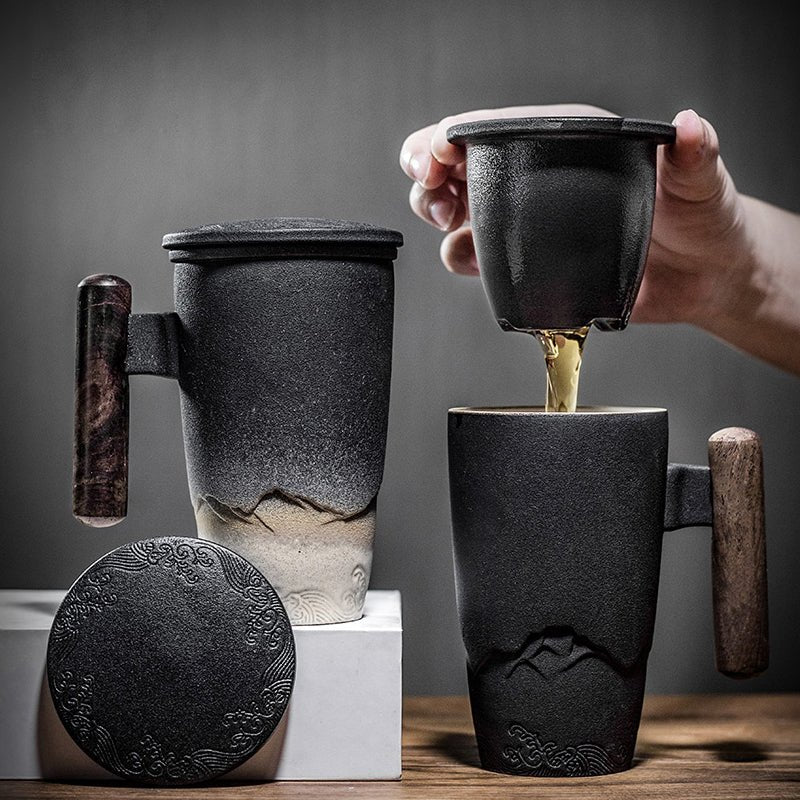
Tall Coffee Mugs: How to Choose the Right Size, Shape, and Style
Tall coffee mugs are a practical pick for people who want a little more height, less spill risk, and a shape that works well for coffee, tea, and desk drinks. Here’s how we compare them in our stor...
Read more
Princess House Coffee Mugs: Buyer Guide for Style, Size, and Use
A practical buyer guide for princess house coffee mugs, with real-world size, feel, and care considerations. Compare alternatives, avoid common buying mistakes, and choose a mug that fits daily use.
Read more
Los kommentaar
This site is protected by hCaptcha and the hCaptcha Privacy Policy and Terms of Service apply.