
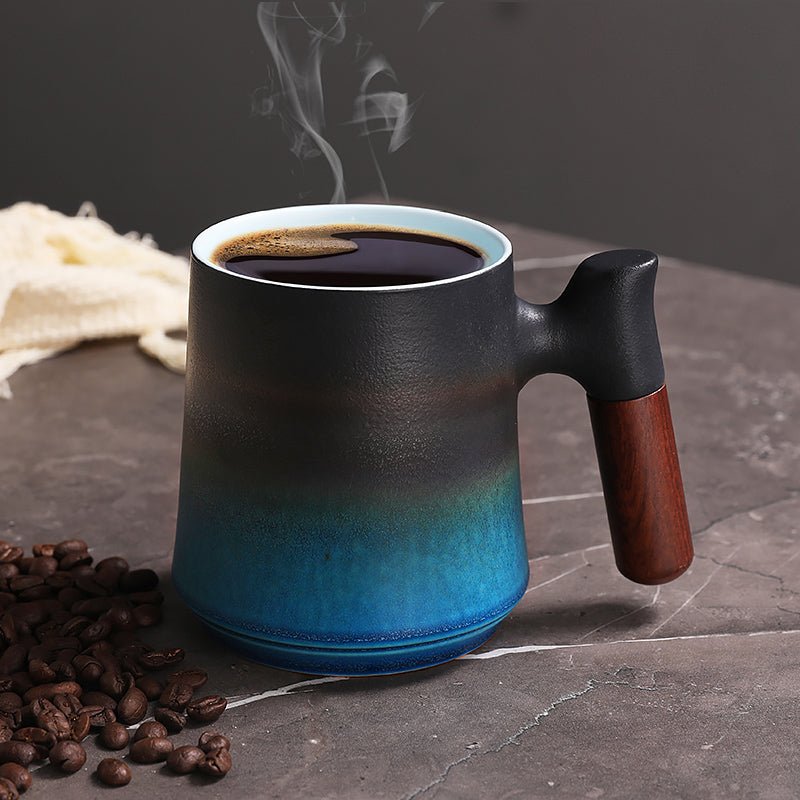
Ceramic Coffee Mugs 20 oz: Fit, Heat, and What to Check
Reading time: about 8 minutes
What does a 20 oz ceramic mug feel like in daily use?
A 20 oz ceramic mug holds about 591 ml, which is a lot of coffee for one sitting. That sounds simple on a product page, but the real difference shows up when the mug is full, warm, and sitting on your hand for more than a minute.
In our store, we see the same pattern repeatedly. Shoppers like the idea of fewer refills, then realize that size changes everything: the mug feels heavier, the handle matters more, and the rim needs to be comfortable because you are using it as a primary cup, not an occasional backup.
That is why ceramic coffee mugs 20 oz are a good fit for long mornings at a kitchen counter, a home office desk, or a tea routine that runs past one refill. They are less convenient if you want a lightweight mug that you can carry around the house without thinking about it. They are also not the best match if you mostly drink espresso-based beverages or small servings.
Which details matter before you click buy?
We recommend checking the physical details before style, because the wrong shape is easy to miss in photos. Our team looks at the same practical points every time a large ceramic mug comes through the shop.
- Handle clearance: make sure your fingers fit comfortably when the mug is full.
- Rim thickness: a thinner, even rim usually feels better than a thick lip.
- Base stability: a flat, even foot ring helps the mug sit safely on a desk or counter.
- Interior glaze: a smooth glazed interior rinses easier and tends to show less staining.
- Cabinet and machine clearance: check height if you use a drip machine, mug shelf, or under-cabinet space.
- Full weight: ceramic feels solid, but a large fill can make an already heavy mug feel cumbersome.
If you want a deeper measurement checklist, our Ceramic Coffee Mugs 20 oz: Buyer's Guide for Fit, Heat, and Care and 20 oz Coffee Mugs: How to Choose the Right Size, Material, and Fit cover the buying side in more detail.
One thing we keep an eye on is defect risk. On a large mug, common issues include a hairline crack near the handle join, a small chip on the rim, pinholes in the glaze, or a base that wobbles slightly on a flat table. Those are the kinds of issues that do not improve with use, so they are worth checking the day the mug arrives.
Which CoffeifyMug styles should you compare first?
If you want to compare options from our store, start with the Pleated Coffee Tea Cup, the The Flow Coffee Tea Mug, and the Mountain Sea Coffee Tea Mug.
For a wider view of what is available, the all collection is the quickest way to compare finishes and silhouettes side by side.
We use these as starting points because style affects how the mug works in real life. A more textured exterior can feel more secure in the hand when the mug is warm, while a smoother surface is easier to rinse after daily coffee or repeated dishwasher cycles. A more distinctive shape can also make a stronger gift presentation, especially if the buyer wants the mug to feel deliberate instead of generic when it is opened on a kitchen table or at an office desk.
If you are comparing against other buying questions, our 20 oz Ceramic Coffee Mug Buying Guide: Fit, Heat, and Care is a useful companion read.
Is ceramic the right material for a 20 oz mug?
Ceramic is still one of the most practical materials for a large everyday mug. It does not add a metallic note to coffee, it looks at home on a counter, and it usually feels more comfortable for slow drinking than a travel mug built for commuting.
That said, ceramic is not the answer for every buyer. It is heavier than most travel-friendly materials, it can chip if it gets knocked against a sink or countertop edge, and it is not the best choice if you want a mug to live in a bag or car cup holder all day. If the mug will move from room to room, or if drop resistance matters more than desk presence, insulated stainless is usually the better category.
| Option | Best for | Trade-off |
|---|---|---|
| Ceramic 20 oz mug | Home coffee, tea, office desks, gifting | Heavier and breakable if dropped |
| Insulated stainless mug | Travel, long heat retention, commutes | Less natural on a kitchen counter |
| Smaller ceramic mug | Lighter feel, smaller pours, faster cleanup | Needs refills sooner |
For a daily desk routine, ceramic usually wins. For carrying coffee between meetings or into the car, it does not.
What trade-offs should you expect with a larger ceramic mug?
A 20 oz mug is useful precisely because it is larger, but size brings compromises. We think it is better to spell those out clearly than to pretend every shopper wants the same thing.
- It gets heavy when full: a large ceramic body plus 20 oz of liquid is a lot to lift with one hand.
- It can cool faster than a narrow cup: more surface area means more heat loss, especially if the top is open wide.
- It shows wear sooner if the glaze is thin or uneven: coffee and tea stains are more visible on lighter finishes.
- It is not drop-proof: if you want a mug for commuting, camping, or a crowded bag, choose a different format.
- It may not fit every machine: some drip coffee setups and under-cabinet spaces are tighter than buyers expect.
That does not make ceramic coffee mugs 20 oz a bad purchase. It just means the mug should match your routine. If you mostly sit with coffee at a kitchen island, work at a desk, or make tea that lasts through a morning, the trade-offs are manageable. If you need something lightweight and nearly indestructible, ceramic is the wrong category.
We also watch the finishing details because they affect daily ownership. A well-formed handle join, an even glaze line, and a stable foot ring make a bigger difference after the tenth wash than they do in a product photo.
How should you care for it so it stays looking clean?
Care is where many mugs quietly fail in real life. The label matters first, so follow the manufacturer instructions for microwave and dishwasher use if they are provided.
- Let the mug cool before rinsing it, especially if it has been filled with very hot liquid.
- Use a soft sponge or cloth for routine washing so the glaze stays smooth.
- Load it in the dishwasher with space around the handle and rim so it does not get knocked.
- Do not move a cold ceramic mug straight into boiling liquid or the other way around; thermal shock can cause cracking.
- If coffee or tea leaves a ring, soak the mug with warm water and a mild cleaner before scrubbing.
- Retire the mug if you see a new crack, a sharp chip, or a wobble that was not there before.
One useful habit: dry the foot ring before setting the mug back on a wood desk or shelf. Even a well-glazed mug can leave a damp mark if water stays trapped under the base.
For shoppers who want a broader checklist before ordering, our Ceramic 20 oz Coffee Mug: What Buyers Should Check Before Ordering is a good follow-up.
Which buyer type is a 20 oz mug best for?
Not every shopper wants the same thing from a large mug. A quick use-case check usually prevents buyer's remorse.
| Buyer type | Good fit | Not the best choice if... |
|---|---|---|
| Home coffee drinker | You want fewer refills and a mug that stays on the counter | You prefer a very light cup in your hand |
| Office desk user | You want a mug that feels stable and looks presentable on a desk | You move coffee between rooms all day |
| Gift buyer | You want a mug that feels substantial and looks intentional when unboxed | You need something universally compact and easy to store |
| Tea drinker | You want a larger pour that stays warm while you work | You usually brew small cups and dislike handling extra volume |
Our experience is that large ceramic mugs sell best when the buyer already knows the routine they are buying for. The mug should fit the habit, not the other way around.
Frequently asked questions
Will a 20 oz ceramic mug fit under my coffee machine?
Sometimes, but not always. The safest move is to measure the space from the drip tray to the lowest point above it, then compare that number with the mug height on the product page. If you use a low-clearance machine or an under-cabinet setup, this is one of the first checks to make.
Can I microwave a 20 oz ceramic mug every day?
Many ceramic mugs are microwave-safe, but you should follow the specific care guidance for the mug you buy. If the mug has metallic accents, a reactive finish, or a manufacturer warning against microwave use, do not use it that way. Repeated use is fine when the mug is built and labeled for it.
Is a 20 oz ceramic mug too heavy for office use?
It can be if you move it around a lot or fill it to the top every time. For a desk where the mug mostly stays in one place, the weight is usually manageable. If you want something you can carry from desk to meeting room, a smaller mug or insulated cup may be a better fit.
What should I inspect when the mug arrives?
Check the rim, handle join, base, and glaze before you throw away the packaging. Look for chips, hairline cracks, pinholes, or a wobble when the mug sits on a flat surface. If anything feels sharp, unstable, or visibly flawed, do not wait to inspect it again later.
Are ceramic coffee mugs 20 oz a good gift?
Yes, if the person drinks enough coffee or tea to use the size. They make a strong gift when the shape is attractive and the mug feels sturdy in the hand. They are less useful for someone who prefers small servings or needs something very lightweight.
If you are still comparing options, use this checklist: handle comfort, base stability, rim feel, and fit under your machine or shelf. Then compare the styles in our all collection and choose the mug that matches the way you actually drink, not the way it looks in a photo.
Read more
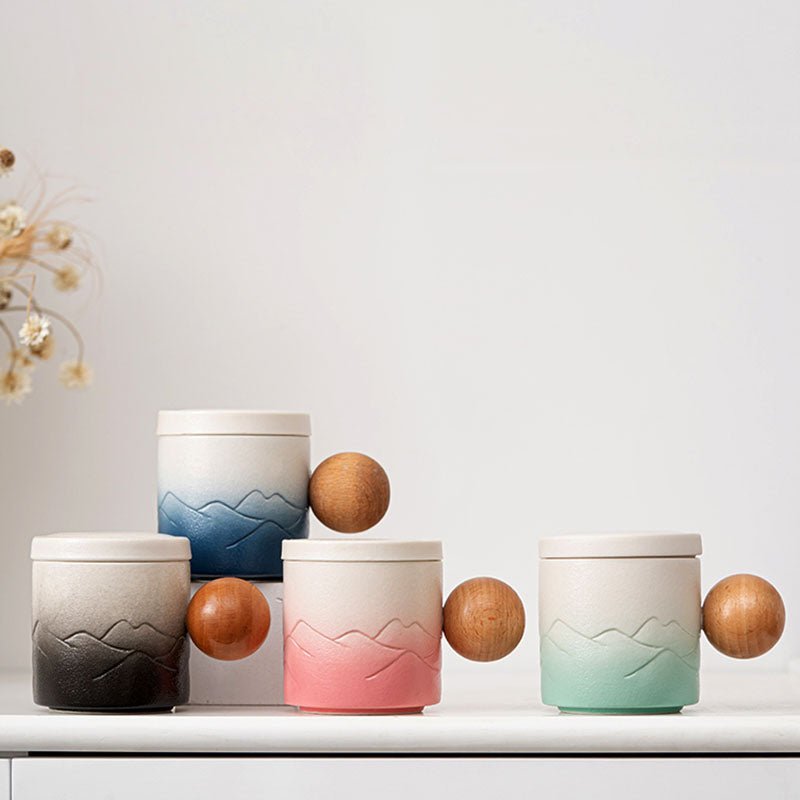
Souvenir Coffee Mugs: How to Choose a Gift People Actually Keep
Souvenir coffee mugs need to do more than look nice on a shelf. Here is how we help shoppers compare style, feel, care, and display value before they buy.
Read more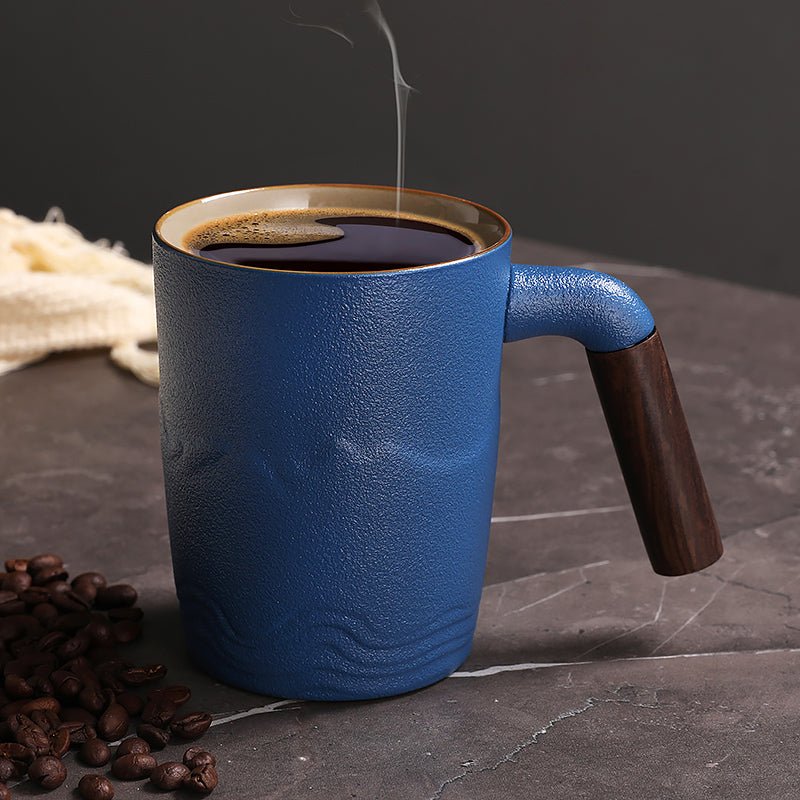
China Coffee Mugs: What to Check Before You Buy
China coffee mugs work best when the rim feels comfortable, the base sits flat, and the care instructions fit your routine. We break down what to check before ordering, with practical notes from th...
Read more
Los kommentaar
This site is protected by hCaptcha and the hCaptcha Privacy Policy and Terms of Service apply.