
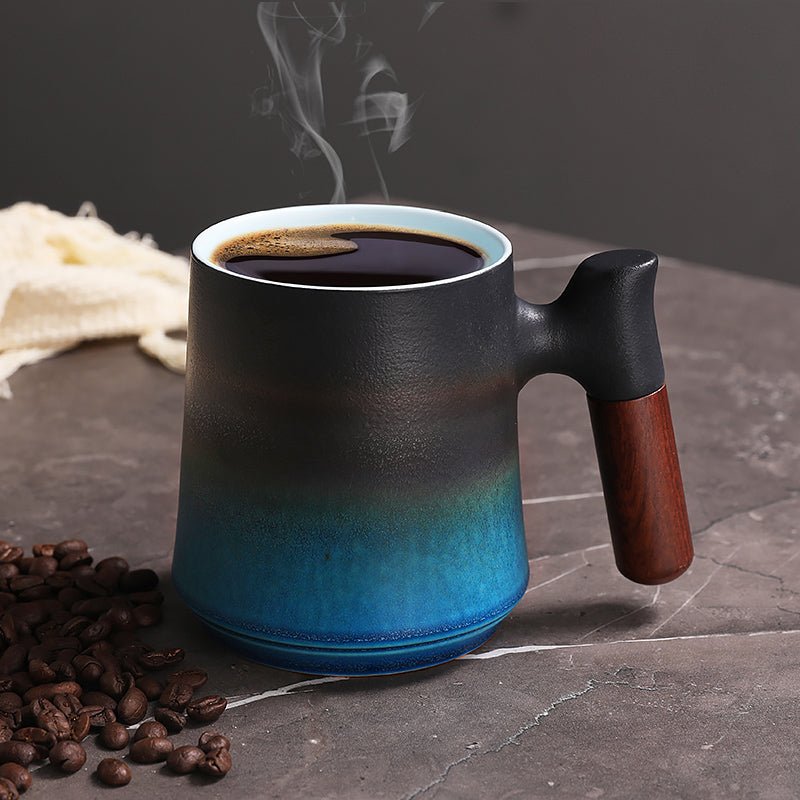
Car Coffee Mug Guide: Fit, Materials, and What to Buy
Reading time: about 9 minutes
The mug that feels perfect on a kitchen counter can become awkward the moment it meets a car cup holder. The handle bumps the console, the base sits too wide, or the lid leaks the first time you take a turn too fast. We see those complaints often enough that we start every car coffee mug conversation with fit, not with looks.
At CoffeifyMug, we handle drinkware for real use cases: desk coffee, short drives, gift orders, and the cups people keep reaching for after the first wash cycle. That gives us a clear rule. A good car coffee mug is not just a mug you can carry to the car. It has to sit securely, open cleanly, and survive the kind of daily use that includes stop-and-go traffic, a dashboard, and a dishwasher shelf.
If you want the bigger buying framework first, our Car Coffee Mug Buying Guide: Fit, Materials, and Real Trade-Offs goes deeper into sizing and materials. This page focuses on what matters most before you buy.
What makes a car coffee mug different from a regular mug?
A regular mug is built for a table. A car coffee mug has to work in motion. That changes the priorities fast.
In practice, we look at four things first:
- Base diameter: It needs to sit in the cup holder without wobbling or sticking so tightly that you have to force it out.
- Handle clearance: Many car cup holders sit close to the center console. A wide handle can collide with the shifter, armrest, or adjacent cup holder.
- Lid behavior: A splash-resistant lid is useful on short drives, but a loose-fit lid can still leak if the cup tips.
- Height: Tall mugs can block the dashboard, rearview access, or lower cabinets when you set them down later at work.
That is why a mug that is great for your kitchen may be a poor choice for commuting. A car coffee mug has to solve two problems at once: transport and drinking comfort. If it does one well and fails the other, you feel it immediately.
Which materials work best in a car coffee mug?
Material choice changes how the mug feels, how long it keeps heat, and how much you need to baby it. We do not treat material as a style decision only. It affects daily usability.
| Material | What it does well | Trade-off |
|---|---|---|
| Ceramic | Neutral taste, familiar drinking feel, easy to enjoy at a desk or parked car | Heavier, more breakable, and less forgiving if it gets knocked over |
| Stainless steel | Better heat retention and better for longer drives | Can feel more utilitarian, and some people notice a different mouthfeel |
| Glass | Clean look and good flavor neutrality | Not ideal for a moving car because it is easier to break |
| Plastic or polymer | Lightweight and often practical for travel | Not everyone wants it for hot coffee, and lower-grade lids can wear faster |
For many buyers, ceramic still wins when the mug is used mostly before the drive, during a parked commute, or at the office after the car ride. Stainless steel is the better choice if the coffee needs to stay hot through a longer drive. Glass usually makes sense only for controlled, low-risk settings, not an active commute.
If you are comparing size-driven options, our related posts on 10 oz Coffee Mug: Size, Fit, and What to Check Before You Buy and 12 oz Coffee Mug Buying Guide for Fit, Comfort, and Daily Use are useful because many buyers underestimate how much the base and handle matter compared with the name on the box.
How do you check if a mug will fit your car cup holder?
This is the part that saves the most returns. We recommend measuring the cup holder opening before you order, especially if your car has deep molded inserts or a narrow console cutout.
- Measure the inside diameter of the cup holder at the narrowest point.
- Check the mug base diameter, not just the top opening.
- Look at the handle swing. A mug can be the right width and still fail because the handle hits the console.
- Consider the lid height. Some lids add enough height to create clearance issues under a dashboard shelf or in a deep console.
- Think about removal. A snug fit is good until it becomes a mug you have to pry out every morning.
Real-world note: a cup holder that works with a water bottle may still reject a handled mug. That is because handled mugs need side clearance, not just vertical space. We see this a lot with shoppers who buy for one vehicle and then try to use the mug in a second car with a different center console layout.
If you want a broader product comparison, start with our full collection and compare mug shapes side by side before deciding. That is often faster than guessing from a lifestyle photo.
Which mug styles are best if you want a gift and a car mug?
Some buyers are not shopping for a pure travel mug. They want a giftable mug that can still move between the kitchen, office, and car without feeling flimsy. That is a different buying goal, and it changes the shortlist.
In our store, we often point shoppers toward shape-driven mugs when they care about presentation as much as function. For example, the Planet Coffee Tea Mug has a distinctive visual profile that works well as a desk piece, while the Rhombus Coffee Tea Mug leans more geometric and modern. The Handbag Coffee Tea Mug is the most gift-forward of the three if your buyer wants something that starts a conversation.
Those are not the mugs we would recommend for someone who needs an ultra-sealed, commuter-first vessel for rough roads and long drives. That is the trade-off. Decorative or sculptural mugs can be better for office desks, parked coffee breaks, and gifting. A true commute mug is usually more utilitarian, with a tighter lid and a more constrained shape.
That is why a lot of customers split the difference: they buy one mug for home and one for the car. It is the cleanest solution if they hate compromise.
What details do shoppers miss before buying?
These are the details that cause regret after the package is opened.
- Rim shape: A thick lip can feel sturdy, but it can also change how the coffee pours and cools.
- Handle size: A smaller handle may look sleek, but it can be uncomfortable if you drink coffee hot and hold the mug for long periods.
- Lid seal quality: A lid that just sits on top is not the same as a lid that truly helps prevent spills.
- Dishwasher behavior: Some mugs survive repeated cycles well, while decorative finishes and printed details may need gentler care.
- Condensation or heat transfer: A mug that gets too hot to hold or too slippery on the console is not a good commuting choice.
One more point from our handling experience: the first few dishwasher cycles matter. If a mug is going to lose its finish, show crazing, or develop a smell in the lid, that usually shows up early. That is why we always tell buyers to look at care instructions before they get attached to the design.
Our rule is simple: if a mug looks good but is annoying to use in the car, it is not a good car coffee mug. Function has to win at least part of the time.
What should you buy if you mostly drive short trips?
Short-trip drivers have different needs from commuters on a 45-minute route. If your coffee is usually gone in 10 to 15 minutes, you do not need the heaviest insulated option on the shelf.
For short drives, we would prioritize:
- A stable base that does not tip when you brake.
- A comfortable handle if you drink before you start the car.
- A lid that reduces splash, even if it is not fully sealed.
- A size you can carry from counter to car without juggling a bag and keys.
If you are using the mug mostly in the office after the drive, comfort matters more than maximum heat retention. In that case, a ceramic mug with a stable profile often makes more sense than a bulky travel tumbler. If you want a deeper size comparison, our 11 oz Coffee Mug: Size, Fit, and What to Check Before You Buy and 12 Ounce Coffee Mug Buying Guide: Size, Fit, and Best Uses are useful next reads.
What should you buy if you want fewer spills?
If spill control is the priority, do not start with design. Start with closure. A mug with a loose lid or no lid at all is fine for a parked desk, but it is the wrong call for a moving vehicle.
Here is the practical order we recommend:
- Choose a mug shape that fits the holder.
- Choose a lid style that stays put during braking and turning.
- Choose a material that matches how often you carry it.
- Choose a finish that is easy to clean after coffee drips and road dust.
And be honest about what the mug is not good for. A decorative ceramic mug is not the right choice if you need one-handed sipping during a bumpy commute. A tall insulated mug is not ideal if your cup holder is shallow. A beautiful mug that cannot be cleaned easily is a bad daily purchase, even if it photographs well.
Frequently asked questions
What size car coffee mug fits most cup holders?
There is no single size that fits every car, but mugs with a narrower base are usually safer than wide-bottom designs. We suggest measuring the narrowest point of your cup holder before you buy, because a mug can look compact and still be too wide at the base.
Is ceramic a good car coffee mug material?
Ceramic is a good choice if you use the mug mostly before you start driving or once you are parked. It is less ideal for rough commutes because it is heavier and more breakable than insulated steel. If you want something for longer drives, stainless steel usually makes more sense.
Do I need a lid on a car coffee mug?
If the mug will be used in the car while moving, a lid is a practical choice. It does not have to be fully sealed to be useful, but it should reduce splash and stay seated when you turn or brake. For parked use, a lid is less critical.
Are decorative mugs good for commuting?
Usually not. Decorative or sculptural mugs are better for desks, gift sets, and stationary use because they often trade away lid security, stability, or handle clearance. They can still be part of a car routine if you carry them to and from the vehicle, but they are not the best choice for active driving.
How do I keep a car coffee mug from leaking?
Start by choosing a mug with a lid designed for travel, then make sure the lid is properly seated before you leave. Avoid overfilling, because coffee expands and sloshes more than people expect. If the mug has a gasket or removable lid parts, clean them regularly so residue does not interfere with the seal.
If you want the most practical next step, compare your car’s cup holder opening against the mug base, then decide whether you want a commuter-first mug or a giftable everyday mug. From there, browse our full collection and use the product pages to check shape, care, and fit before you buy.
Read more
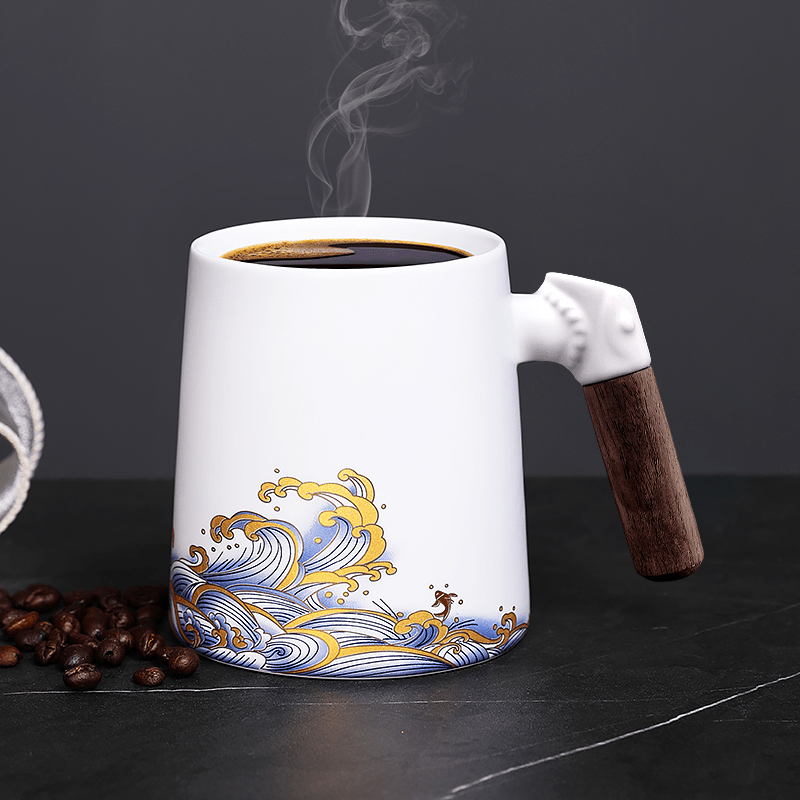
White Coffee Mug Buying Guide for Everyday Use and Gifting
A practical guide to choosing a white coffee mug that feels right in hand, holds the right amount, and holds up to daily use. We cover size, finish, care, and where a simple white mug makes the mos...
Read more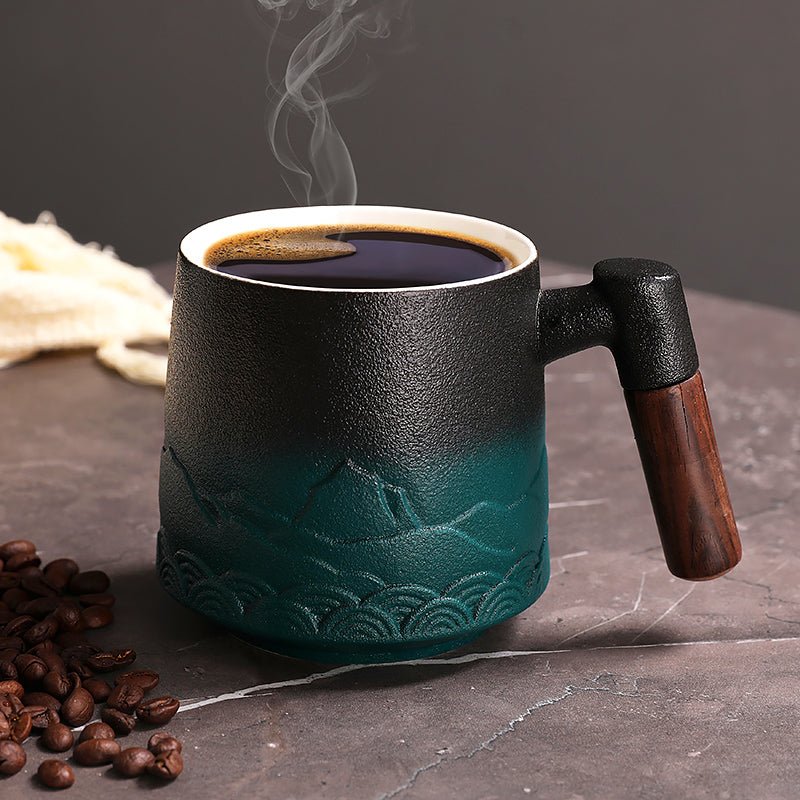
Double Wall Coffee Mugs: What to Look For Before You Buy
Double wall coffee mugs reduce condensation, feel cooler in the hand, and work well for slow coffee at home or at a desk. We break down what matters before you buy, plus where these mugs are not th...
Read more
Los kommentaar
This site is protected by hCaptcha and the hCaptcha Privacy Policy and Terms of Service apply.