
Calories in a Mug of Coffee: What Changes the Count?
Reading time: about 7 minutes
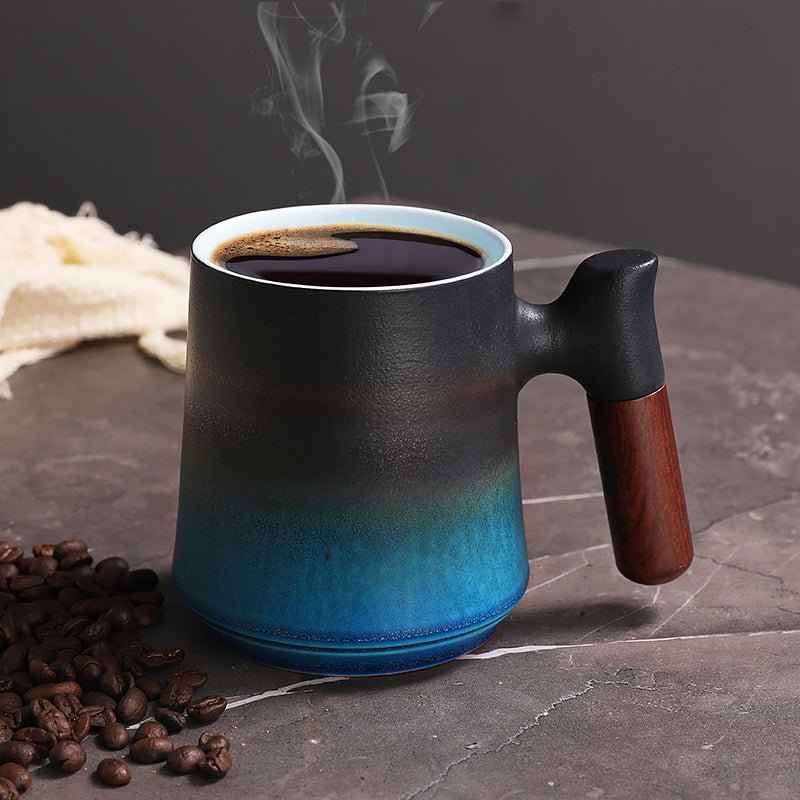
A kitchen counter can make the answer look simple: black coffee in a ceramic mug seems harmless, then a splash of milk and a spoon of sugar quietly change the count. The real question behind calories in mug of coffee is not the mug itself. It is what you pour into it and how much room that mug gives you to keep pouring.
At our store, we see the same pattern over and over. Buyers start with a size they like on the shelf, then realize that a bigger cup can push portions upward without feeling like much at the time. If you are trying to keep coffee light, the container matters less than the habit, but it still affects the habit.
How many calories are in a mug of coffee?
Plain brewed coffee is usually very low in calories. A mug size does not change that much on its own, because coffee without add-ins is mostly water with coffee solids. The bigger the mug, the more coffee you pour, but the calories stay near the same low baseline unless you start adding milk, sugar, syrups, or creamers.
| What you pour | Calories in the coffee itself | What it means in real life |
|---|---|---|
| 8 oz black coffee | Usually only a few calories | Common standard cup size for nutrition references |
| 12 oz mug, black | Still usually only a few calories | More coffee in the mug, but still a low-calorie base |
| 16 to 20 oz mug, black | Still low on its own | More room for add-ins, so the total can rise faster |
The important part is this: a mug is a container, not a nutrition label. Two mugs can look similar on a desk and still hold very different amounts. If you track calories closely, the first thing to check is the mug volume, then the pour line you actually use.
What adds calories fastest?
The fastest jump usually comes from add-ins, not the coffee itself. A small spoon of sugar, a measured splash of cream, or a flavored creamer can change the drink far more than a second pour of plain coffee ever will.
- Sugar: even one spoon changes the count immediately.
- Milk or half-and-half: a splash seems small, but it adds more than black coffee alone.
- Flavored creamers: convenient, but they can turn a simple mug into a much richer drink.
- Syrups and toppings: these move the drink away from a low-calorie cup very quickly.
We see this all the time in office kitchens. People start with black coffee, then add a little here and a little there without measuring anything. The cup still looks like coffee, but the calorie count is no longer what they expected.
If you want a reliable number, measure the add-ins once. Eyeballing cream in a wide mug is how the count gets fuzzy.
Does mug size matter more than the beans?
For plain black coffee, the beans are not the main issue either. Drip coffee, pour-over, and French press all stay low in calories if you drink them black. Mug size matters because it changes how much you pour, how much room you leave for milk or sugar, and whether you keep refilling without thinking about it.
That is why bigger mugs are a mixed bag. A 20 oz mug can be great if you want one large serving and you drink it black. It is not the best choice if you want tight portion control or if a larger cup makes you add more cream than you intended. We covered that trade-off in 20 oz Coffee Mug: What to Check Before You Buy, and the same logic appears in our Big Coffee Cups: What to Check Before You Buy a Large Mug guide.
- Choose a smaller mug if you want the pour to stay visible and easy to control.
- Choose a larger mug if you refill often and keep the coffee black.
- Choose a travel mug if the coffee leaves the house, but do not expect it to feel like an open ceramic mug at the desk.
In our experience, people who care about calories usually do better with a mug in the 12 to 16 oz range than with an oversized one. That gives enough room for a normal serving without making the cup feel like a blank canvas for extra cream.
How can you keep coffee low-cal without making it dull?
You do not have to drink coffee that tastes harsh just to keep it light. The trick is to make one change at a time so you know what is actually affecting the count and the flavor.
- Start with black coffee and taste it before adding anything.
- Add one measured ingredient, not a free pour from the carton or bottle.
- Use milk before syrup if you want a softer cup without a big flavor jump.
- Keep the mug size honest so you can see how much you are actually drinking.
A ceramic mug works well for this routine because it is easy to rinse, easy to inspect, and usually comfortable on a kitchen counter or office desk. A wider rim can cool coffee a bit faster, which some people like and others do not. A narrower mug keeps heat longer, but it is not as good if you want a quick read on the fill level.
If you want a coffee mug that works well for daily use beyond calorie tracking, our Best Coffee Mug: What Actually Matters for Daily Use article breaks down the practical side. If your coffee usually travels, the better fit is Best Travel Coffee Mug: What to Check Before You Buy.
What should you check before buying a mug for daily coffee?
The right mug is not just about style. We look at how it behaves on a real counter, in a dishwasher, and after a few weeks of daily use. That is where the practical differences show up.
- Material: ceramic and stoneware feel stable and are easy to use for desk coffee. Stainless steel is better for travel, but it changes the drinking experience and is not microwave safe.
- Size: 12 to 14 oz is a practical sweet spot for people who want portion control. 16 to 20 oz works better if you want fewer refills.
- Care: dishwasher-safe ceramic is convenient, but printed graphics, metallic trim, or lids can require more attention. Travel lids should come apart for cleaning so coffee oils do not build up.
- Common defect modes: chipped rims, hairline cracks near the handle, stained glaze, warped lids, and lingering odor in gaskets are the complaints we see most often.
- Grip and balance: a handle that leaves enough space for your fingers matters more than people expect, especially when the mug is full and hot.
If you are comparing styles, start with our full range at our collection or look directly at our products. Those pages are the fastest way to compare sizes and everyday shapes without guessing from a photo alone.
One thing a mug is not good for: trying to hide how much you are drinking. A huge mug can make a second or third pour feel normal, even when you are aiming for a lighter routine. If that sounds familiar, a smaller ceramic mug is usually the cleaner choice.
Frequently asked questions
How many calories are in a mug of black coffee?
Plain black coffee is usually very low in calories, often close enough to zero for everyday tracking. The exact number depends on how much coffee you pour and how it is brewed, but the coffee itself is not where the calorie count usually jumps.
Does a 20 oz mug have more calories than a 12 oz mug?
The coffee itself still stays low, but the larger mug makes it easier to pour more milk, sugar, or syrup. If you drink black coffee, the size difference matters much less than the add-ins.
What adds the most calories to coffee?
Sugar, flavored creamers, and heavy pours of milk or cream are the usual drivers. The count can climb quickly once you stop measuring, which is why a mug that makes the fill level easy to see can help.
Is coffee with milk still low calorie?
It can be, depending on how much milk you use and what kind of milk it is. A small splash changes the flavor without changing the drink as much as syrup or whipped toppings would.
Should I buy a travel mug if I am counting calories?
Yes, if you drink coffee on the move and want to keep a set serving size. Just know that travel mugs are not the best choice for aroma, quick rinsing, or microwave reheating, so they are a trade-off rather than a perfect all-around pick.
If you want the simplest next step, compare a 12 to 16 oz mug against a larger 20 oz option, then choose the one that matches how you actually drink coffee. If you want to browse by shape and size, start with our full collection or go straight to our products.
More from our blog
Read more

Vintage Coffee Mugs: How to Choose the Right Style, Size, and Finish
A practical guide to vintage coffee mugs for shoppers who want the look without buying the wrong size, glaze, or handle shape. We cover what to check, what to skip, and where this style works best ...
Read more
Stoneware Coffee Mugs: How to Choose the Right Everyday Mug
Stoneware coffee mugs feel sturdy in hand, hold heat well, and fit daily use on kitchen counters or office desks. Here’s what to check before buying, plus where stoneware is the better choice and w...
Read more
Los kommentaar
This site is protected by hCaptcha and the hCaptcha Privacy Policy and Terms of Service apply.