
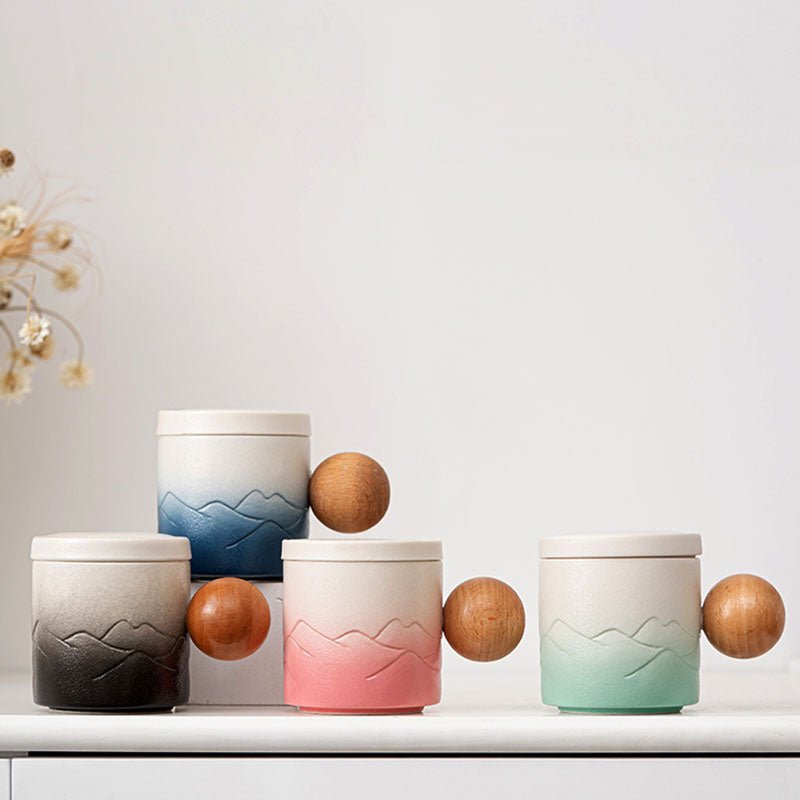
Cacao Cup Comparison: 250 ml, 390 ml, or 400 ml?
Reading time: about 10 minutes
A cacao drink that fits comfortably in a 250 ml cup can look lost in a much larger mug, while a generous recipe can leave too little carrying room near the rim of a smaller one. We see this capacity mismatch often in our store: shoppers focus on the shape first, then realize that serving volume has more influence on daily use. This cacao cup comparison puts our current Ball Handle 250 ml, Round 390 ml, and Spittoon 400 ml options side by side using the facts we can verify: listed capacity, the Ball Handle cup's listed 11.2 cm diameter, and the visible differences in each design.
These are everyday drinkware options that can be used for cacao, coffee, or tea. We do not describe them as traditional, ritual, certified, or purpose-built cacao vessels. The useful question is simpler: which current mug format fits the amount you prepare and the place where you usually drink it?
Cacao cup comparison: 250 ml, 390 ml, and 400 ml at a glance
| Current option | Listed capacity | Known size detail | Practical fit | Main trade-off |
|---|---|---|---|---|
| Ball Handle | 250 ml | 11.2 cm listed diameter | Smaller cacao servings, short drink breaks, and shoppers who like a broad presentation | Less room for large recipes or extra headspace |
| Round | 390 ml | No additional dimension used in this comparison | Regular full mugs at home or at a desk | May feel oversized for concentrated servings |
| Spittoon | 400 ml | No additional dimension used in this comparison | Generous recipes and buyers choosing primarily by shape | Only 10 ml more capacity than the Round option |
The Ball Handle 250 ml mug is the clear small-serving choice. Its listed 11.2 cm diameter also gives shoppers a concrete opening-related measurement to consider. For a broader view of shapes beyond these three, our unique coffee mugs collection is the most useful next stop.
Which capacity fits the amount of cacao you actually prepare?
Start with your finished drink, not the maximum amount you could pour. A cup filled to its stated capacity leaves little practical headspace for walking from the kitchen, adding foam, stirring, or setting the drink down without watching the rim. Capacity figures are best treated as comparison points rather than instructions to fill every cup completely.
- Choose 250 ml for a smaller, more contained serving. This works for a short cacao break, a richer recipe served in a modest amount, or a household where unfinished drinks are common. It is not the best choice for recipes that already approach 250 ml before toppings or vigorous stirring.
- Choose 390 ml for an everyday full mug. The Round option gives substantially more room than the 250 ml cup without making capacity the only visual feature. It suits longer breakfasts and desk sessions where refilling is inconvenient.
- Choose 400 ml for a generous serving or a preferred silhouette. The Spittoon option has the highest listed capacity, but the difference from 390 ml is only 10 ml. That is too small to make serving size the decisive distinction for most routines, so compare the visible form and how you expect to handle it.
If you frequently move between smaller espresso-based drinks and larger cacao servings, our 200 ml, 270 ml, and 350 ml Americano cup comparison provides another useful capacity reference. It can help establish whether your normal portion is genuinely near 400 ml or closer to the middle of the range.
How does the Ball Handle cup's 11.2 cm diameter affect daily use?
The Ball Handle model is listed at 11.2 cm in diameter. That is a meaningful detail because opening and capacity are separate variables: a 250 ml cup can still present a drink across a relatively broad surface. In practical use, a broader exposed surface can make aroma and toppings easier to notice, and it gives you visual access while stirring cacao powder or a settled drink.
There are trade-offs. More exposed surface can allow heat to leave faster than it would through a narrower opening, all else being equal. A broad rim also deserves more attention when carrying a full drink across a kitchen or placing it beside a keyboard. Since the 250 ml capacity already limits spare space, stopping below the rim is sensible if you tend to walk with the cup.
We do not assign unlisted diameter measurements to the Round or Spittoon mugs. Product images can help you compare their visible openings, but a photograph is not a substitute for a stated measurement. Buyers who need a cup to fit a specific shelf, warmer, vehicle holder, or compact desk area should avoid estimating from names alone.
Which current mug fits a kitchen counter, office desk, or gift?
A smaller kitchen serving: Ball Handle 250 ml
Reader situation: You prepare a modest cacao drink, serve it near the kitchen counter, and prefer the drink to look proportionate in the cup.
Why it fits: The 250 ml capacity avoids the empty appearance that a small serving can have in a 390 ml or 400 ml mug. The listed 11.2 cm diameter is also useful for buyers who enjoy seeing the surface of the drink or adding a light topping.
Relevant next step: Review the photos and current details for the Ball Handled Coffee Tea Mug. Skip it if your recipe regularly needs close to 250 ml before stirring room is considered.
A regular office or breakfast mug: Round 390 ml
Reader situation: You want one substantial drink that can sit through breakfast, reading, or a work session without an immediate refill.
Why it fits: At 390 ml, the Round mug offers 140 ml more listed capacity than the Ball Handle option. That extra room is useful for a longer drink and for leaving a more comfortable gap below the rim.
Relevant next step: Check the current shape and product presentation on the Round Coffee Tea Mug page. It is not the strongest fit for someone who consistently prepares small, concentrated portions and dislikes unused space.
A generous drink chosen partly by form: Spittoon 400 ml
Reader situation: Your recipes run large, or the Spittoon mug's visible shape appeals to you more than the Round design.
Why it fits: Its listed 400 ml capacity is the largest in this group. The practical capacity gain over the Round mug is only 10 ml, however, so the real decision between these two should come from form, handling expectations, and visual preference rather than a claim of meaningfully greater volume.
Relevant next step: Compare the current images on the Spittoon Coffee Tea Mug page with the Round model. The product name should not be read as proof that it is a traditional or specialized cacao vessel.
What are the less obvious trade-offs between these three shapes?
Capacity is easy to compare because it is numerical. The less obvious differences show up after repeated use: where the mug rests, how carefully it must be carried, and how much residue remains after the drink is finished.
- Desk footprint matters. A visibly broad cup may need more clear space around papers, a mouse, or a laptop. The Ball Handle model's listed 11.2 cm diameter gives you one measurement to check against your available area.
- Headspace affects spill risk. A 250 ml recipe in a 250 ml vessel offers no practical buffer. Choosing 390 ml or 400 ml can make carrying and stirring easier even if you never use the full stated capacity.
- Cacao residue can collect at the bottom. Thick or insufficiently mixed drinks should be rinsed before residue dries. Shape may affect how easily your sponge reaches the base, so inspect the product photography rather than assuming every opening and interior curve is identical.
- Rim condition matters over time. Like other everyday drinkware, the rim and handle area deserve a quick check after knocks in the sink or crowded storage. Stop using a cup if a chip or crack creates a sharp edge or compromises the vessel.
- Large does not always mean better. A 400 ml mug may encourage a larger recipe, take up more storage space, and look disproportionate with a short serving. Smaller cups can be more satisfying when portion and cup scale match.
Shoppers comparing stability and silhouette as closely as capacity may also find our wide-bottom coffee mug comparison for daily routines helpful. That article approaches the decision through base shape rather than cacao serving size.
How should cacao drinkware be cleaned after regular use?
Cacao mixtures can leave a visible film, especially when a drink cools before the cup is emptied. In our experience handling drinkware, prompt rinsing is more useful than letting residue harden and relying on aggressive scrubbing later.
- Rinse the cup with warm water soon after use, paying attention to the bottom curve and the area beneath the rim.
- Use mild dish soap and a non-abrasive sponge. Avoid tools that could scratch a decorative surface or finish.
- For dried residue, allow a warm-water soak before wiping. Do not force a utensil against the interior to chip away buildup.
- Check the product page or supplied care information before using a dishwasher or microwave. Appearance alone does not confirm compatibility.
- Let the cup dry fully before stacking it, and avoid tight storage that puts repeated pressure on rims or handles.
These care steps are deliberately conservative. Specific finish, dishwasher, and microwave claims should come from current product information, not from assumptions based on a photo or general mug category.
A 30-second checklist before you pick a cacao cup
- Measure the finished amount of your usual cacao recipe.
- Add room for stirring, toppings, and carrying without filling to the rim.
- Choose 250 ml for a smaller serving, 390 ml for a substantial everyday mug, or 400 ml for a generous drink and preferred visible form.
- Check whether the Ball Handle cup's listed 11.2 cm diameter suits your counter, shelf, and desk space.
- Compare current product photos for handle shape, opening, and overall silhouette.
- Confirm care requirements on the product page before assuming dishwasher or microwave suitability.
Frequently asked questions
Which size is best for a daily cacao drink?
Choose the 250 ml Ball Handle mug for a modest serving and the 390 ml Round mug for a fuller everyday drink with more headspace. The 400 ml Spittoon mug suits generous recipes, although its listed capacity is only 10 ml above the Round option.
Is a 250 ml cacao cup too small?
It is too small if your finished recipe approaches 250 ml before you account for stirring or carrying space. For shorter, richer servings, 250 ml can feel more proportionate than a large mug and may reduce the amount of unused room around the drink.
Does a wider opening make cacao cool faster?
A larger exposed surface can release heat faster than a narrower one under similar conditions. The Ball Handle cup has a listed 11.2 cm diameter, but we do not have equivalent listed diameter figures here for the Round and Spittoon options, so we would not claim an exact cooling difference between all three.
What is the main result of this cacao cup comparison?
The clearest split is between the smaller 250 ml Ball Handle mug and the two larger options. Since 390 ml and 400 ml are only 10 ml apart, choose between the Round and Spittoon mugs mainly by their visible shape and how each form fits your routine.
Are these traditional or purpose-built cacao vessels?
No such claim is being made. This comparison treats them as everyday drinkware options that shoppers may use for cacao, coffee, or tea, based on listed capacity and visible design.
Choose from the current collection
Use your normal finished serving as the deciding number: select 250 ml for a smaller cup, 390 ml for a substantial daily mug, or 400 ml when you want the largest listed option and prefer its shape. Then compare the current photos and care details in our unique coffee mugs collection before ordering. That final visual check is especially valuable because the 10 ml difference between the two larger mugs is much less significant than their design.
More from our blog
Read more
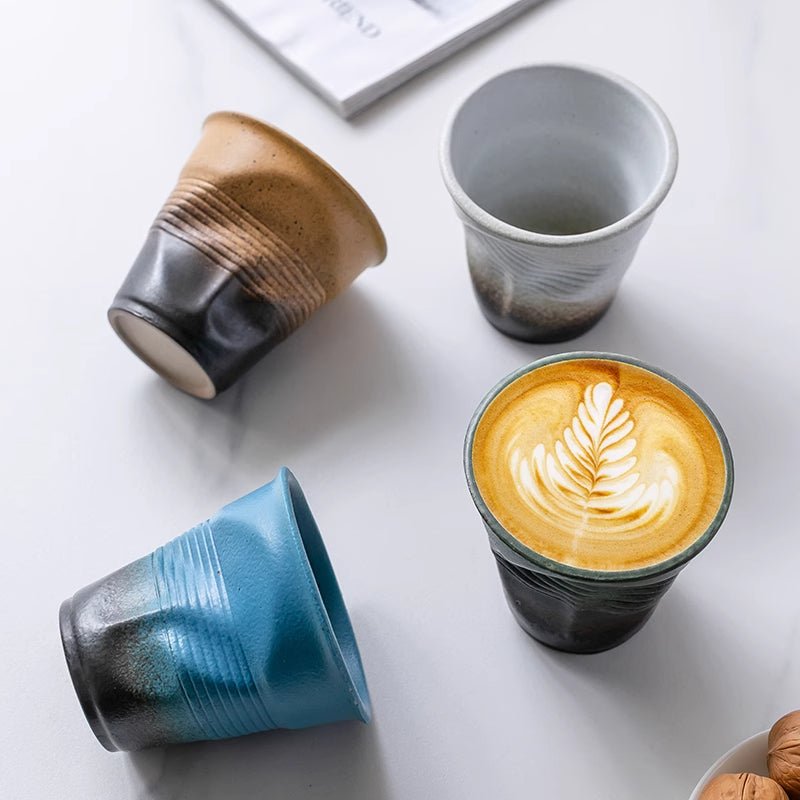
Green Tea Mug Comparison: 170 ml, 200 ml, or 270 ml?
Compare CoffeifyMug's current 170 ml, 200 ml, and 270 ml green tea options by listed capacity, visible shape, and refill routine. See which cup fits short tea breaks, measured pours, or longer desk...
Read more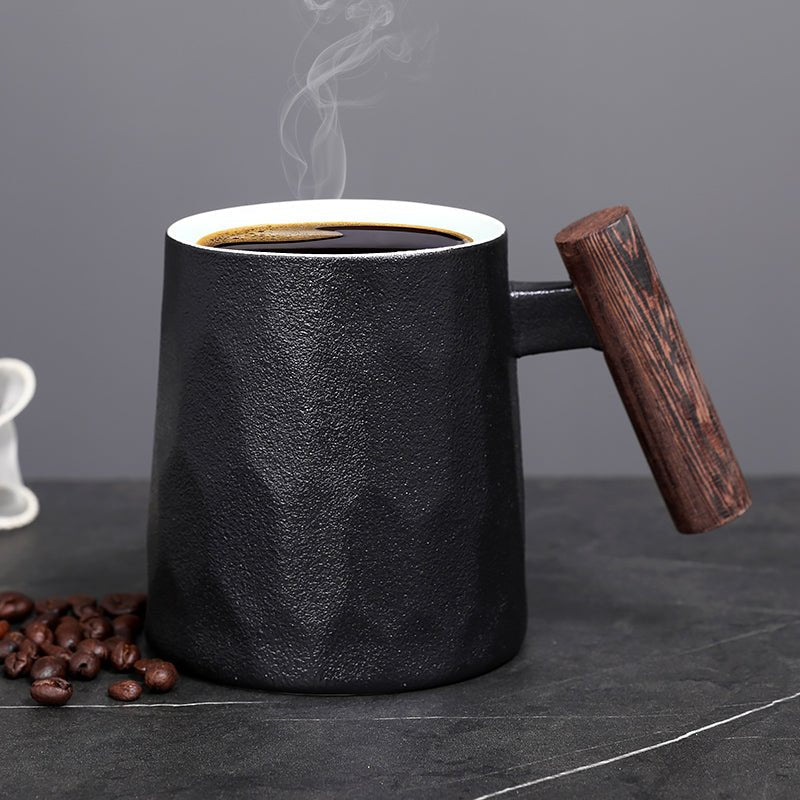
Herbal Tea Mug Comparison: 400, 440, or 480 ml?
Compare The Flow 400 ml, Morning and Night 440 ml, and The Rock 480 ml by serving capacity and practical handle comfort. See which current mug best matches short breaks, daily use, or longer desk s...
Read more
Los kommentaar
This site is protected by hCaptcha and the hCaptcha Privacy Policy and Terms of Service apply.