
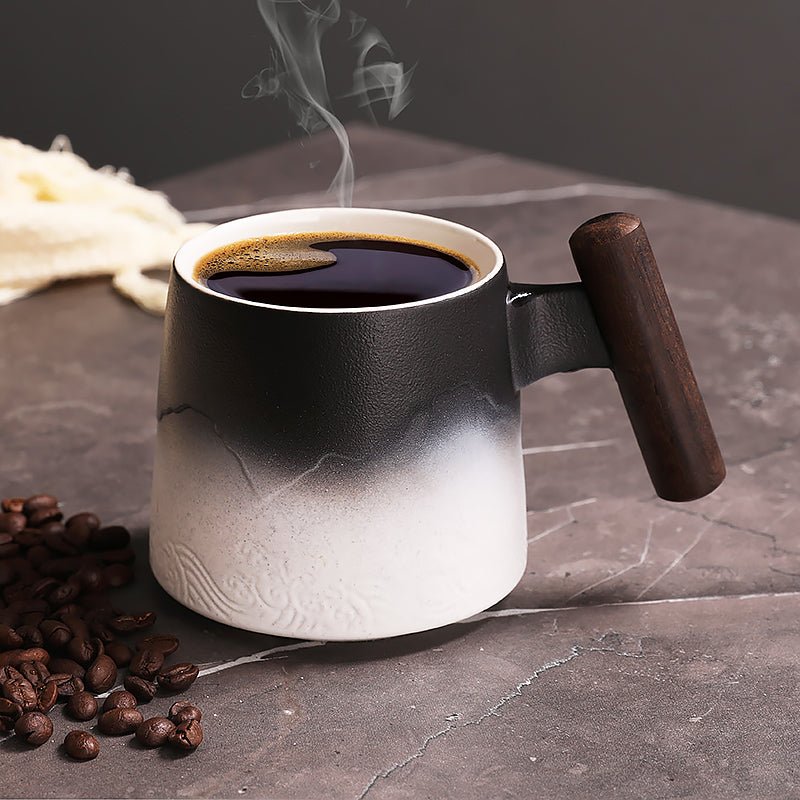
Brumate Coffee Mug Buying Guide: What to Check Before You Buy
Reading time: about 9 minutes
The first problem people notice with a brumate coffee mug is rarely the cup itself. It is the lid that drips on the commute, the coffee that cools too quickly at a desk, or the mug that feels great in hand but turns out to be awkward in the dishwasher. We see those trade-offs all the time in our store, and they are the reason a smart purchase starts with the details, not the brand name.
If you are comparing insulated mugs right now, the right question is not just “Does it look good?” It is “Will it fit my routine?” That means checking the body material, lid style, capacity, cleaning process, and what you give up by choosing insulated steel instead of ceramic. For a broader comparison across styles, our Coffee Mug Buying Guide: Materials, Sizes, and Everyday Use is a good place to start, especially if you are still deciding between insulated and traditional mugs.
What makes a brumate coffee mug different from a regular mug?
A brumate coffee mug is usually chosen for temperature control and spill resistance, not for the casual feel of a kitchen mug. Most buyers are looking for a double-wall insulated body, a lid that can travel without immediate leaks, and a shape that works on a desk or in a car cup holder. That is a very different job from a ceramic mug sitting beside a French press at home.
In practical use, the benefits show up in three places:
- Heat retention: Insulated stainless steel keeps coffee hot longer than an open ceramic mug on a cold desk.
- Travel stability: A fitted lid reduces splash risk when you move between rooms, cars, or office hallways.
- Condensation control: The outside usually stays dry, which matters on wood desks, notebooks, and laptop tables.
The trade-off is equally clear. Steel changes the drinking experience. It is not as neutral as ceramic, and it does not feel like a classic diner mug in the hand. If your coffee routine depends on aroma and a relaxed at-home pour, our Ceramic Coffee Mug Buying Guide: What to Check Before You Buy is the better comparison.
Which features matter most before you buy?
We tell shoppers to ignore marketing words and inspect the actual parts that affect daily use. A mug can look premium and still be frustrating if the lid is hard to clean or the handle is too small for your grip.
| Feature | What to check | Why it matters |
|---|---|---|
| Body material | Stainless steel, coating quality, finish durability | Affects heat retention, weight, and scratch resistance |
| Lid design | Seal quality, sip opening, ease of disassembly | Controls leaks, cleaning difficulty, and drinking comfort |
| Size | Capacity and overall footprint | Determines whether it fits your coffee amount and cup holder |
| Handle | Grip clearance and comfort with a full mug | Matters more when the mug is hot or filled near the top |
| Care | Dishwasher-safe parts, hand-wash needs, drying time | Impacts longevity and odor control |
Three concrete details are worth checking before you commit: the lid gasket, the rim shape, and the base diameter. A weak gasket leads to slow leaks. A thick rim can make sipping less natural. And if the base is too wide, the mug may be stable on a counter but useless in the car. In our experience, the most returned insulated mugs are not the prettiest ones. They are the ones that looked fine online but failed in one of those everyday fit checks.
If you are still comparing a mug purchase with other everyday coffee gear, our Big Mug Coffee: How to Choose the Right Large Mug for Daily Use article helps if your main issue is capacity rather than insulation.
Is a brumate coffee mug better for commuting or desk use?
For commuting, an insulated mug usually makes more sense than a standard ceramic mug because it reduces both slosh and temperature loss. For desk use, the answer depends on how you drink. If you sip slowly over an hour or more, the insulated format usually wins. If you want a mug that lets the coffee cool naturally and tastes best in an open vessel, ceramic may still be the better choice.
Here is the simple split we use when helping buyers:
- Choose insulated steel if you carry coffee between rooms, drive with it, or get interrupted often.
- Choose ceramic if you mostly drink at home and care more about taste and feel than spill resistance.
- Choose a travel-focused mug if you need a tighter lid and spend real time in the car, train, or office commute.
If your main concern is portability, read our Best Travel Coffee Mug: What to Check Before You Buy. It covers the difference between a true travel mug and a desk-friendly insulated mug, which is where many shoppers get tripped up.
A good mug is not the one with the most features. It is the one that matches how you actually drink coffee on a Tuesday morning, not how you imagine using it on a product page.
What problems should you watch for with insulated coffee mugs?
We see the same failure points again and again, and they are worth knowing before you buy a brumate coffee mug or anything similar.
- Lid leaks at the sip opening. This usually shows up after a few uses, especially if the gasket is not seated correctly or the lid is not fully closed.
- Off-flavors or odor retention. Coffee oils can linger if the lid is left damp or if the mug is stored closed for too long.
- Finish wear. Painted or coated exteriors can scratch if they rub against keys, metal sink edges, or rough dishwasher racks.
- Denting from drops. Stainless steel is durable, but it is not immune to impact damage, especially on the base and rim.
There is also a user experience issue that does not always get mentioned: insulated mugs can feel hotter or heavier in the hand than ceramic mugs, even when the outside does not get hot. That matters if you prefer a light mug for slow drinking at home. It also matters if you have smaller hands and want a comfortable grip.
For buyers who like to keep their mugs in good shape, our Coffee Mug Care Tips to Make Your Mug Last Longer explains the cleaning habits that prevent odor, staining, and early wear.
How should you clean and maintain it?
Care is where many premium mugs lose value. A mug that is easy to buy can become annoying if the lid has hidden corners, small rubber parts, or tight threads that trap coffee residue. We recommend treating the lid and body as separate cleaning jobs.
- Rinse the mug soon after use so coffee oils do not dry on the surface.
- Wash the lid thoroughly, including the sip path and any removable seals.
- Dry all parts fully before reassembling so moisture does not get trapped inside.
- Avoid long storage with the lid locked on if the mug still has moisture inside.
If a mug is labeled dishwasher-safe, that is useful, but it does not mean every part will look the same after repeated cycles. The lid, gasket, and coating can age differently. Hand-washing is slower, but it usually gives you more control over wear and residue. That matters if you are using the mug every day at work.
One practical note from our store: people often blame the mug for stale coffee flavor when the real issue is the lid. A stainless steel body can be fine while a neglected gasket or sip cover carries the smell. That is a maintenance issue, not a defect in the cup itself.
Who should skip a brumate coffee mug?
A brumate coffee mug is not the best answer for every buyer, and we would rather say that plainly than over-sell it. Skip it if you want the tasting profile of a ceramic mug, if you heat coffee in the microwave, or if you dislike cleaning lids with moving parts.
It may also be a poor fit if you:
- drink espresso in very small servings and want a compact cup with no lid
- prefer a mug that feels light and open rather than sealed
- wash all drinkware quickly by hand and do not want extra lid care
- need a mug that doubles as a presentation piece for the table
That does not make it a bad product category. It just means the use case is specific. For some shoppers, insulated steel is exactly right. For others, it solves a problem they do not actually have.
Frequently asked questions
Is a brumate coffee mug good for keeping coffee hot at a desk?
Yes, if your coffee sits out for a while and you want slower heat loss than a standard ceramic mug. It is especially useful when you are stepping away from your desk and coming back to the cup later. If you like to sip quickly and want the coffee to cool naturally, ceramic can still be a better fit.
Can I put a brumate coffee mug in the microwave?
No. Stainless steel insulated mugs should not go in the microwave. If microwave reheating matters to you, choose a ceramic mug instead.
What size brumate coffee mug should I buy?
Choose the size that matches how much coffee you actually pour, not the largest one available. Smaller sizes are easier to grip and fit better in compact cup holders. Larger sizes are useful if you want a long drink session, but they can feel bulky on a cluttered desk.
How do I keep the lid from smelling like coffee?
Wash the lid soon after use, take apart any removable seals if the design allows it, and let every piece dry fully before reassembly. Odor usually comes from trapped moisture and old coffee oils. If a lid has tight corners, regular cleaning matters more than occasional deep cleaning.
Is an insulated mug better than a travel mug for commuting?
Not always. A travel mug usually prioritizes a tighter seal and better spill resistance in motion, while a desk-friendly insulated mug may be easier to sip from at home or in the office. If your coffee spends real time in a car or bag, check our Best Travel Coffee Mug: What to Check Before You Buy before deciding.
If you are ready to compare actual options, start with our products page and filter by the mug style you will use most. If you want to see the full range first, the all collection is the fastest way to compare shapes, materials, and everyday use cases side by side.
More from our blog
Read more
Customized Coffee Mugs: How to Choose the Right One for Daily Use
Customized coffee mugs need the right size, readable artwork, and a finish that holds up on a real kitchen counter or office desk. This guide shows what to check before you order and when a differe...
Read more
Best Mug to Drink Coffee: What Actually Works Every Day
The best coffee mug is the one that holds heat, feels stable in your hand, and survives real kitchen use. We break down materials, sizes, and trade-offs so you can choose with confidence.
Read more
Los kommentaar
This site is protected by hCaptcha and the hCaptcha Privacy Policy and Terms of Service apply.