
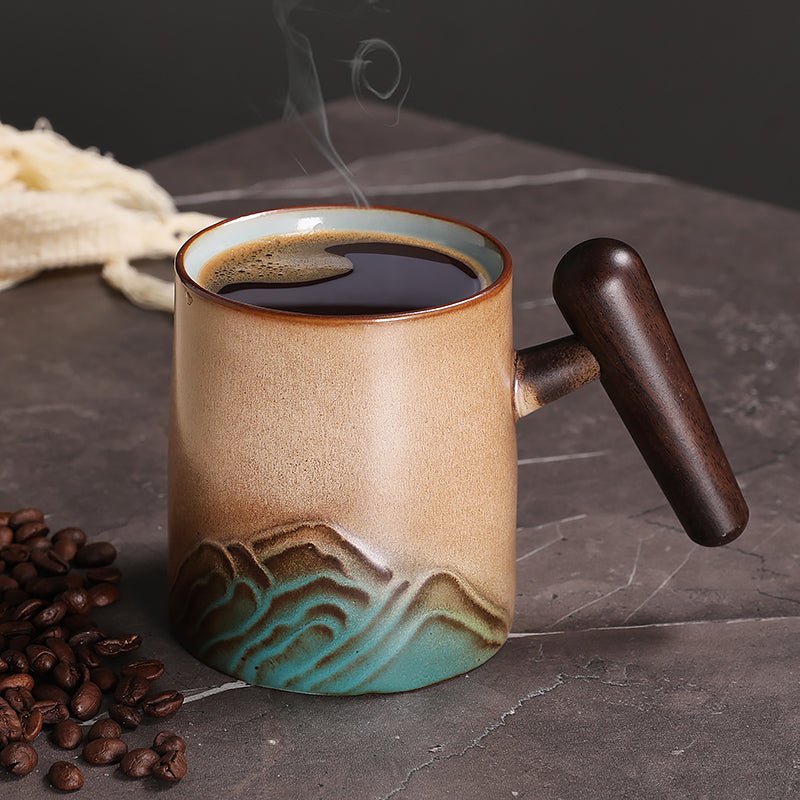
Big Mug of Coffee: What to Look for Before You Buy
Reading time: about 8 minutes
A big mug of coffee sounds simple until it lands on a crowded desk, tips when you reach for the keyboard, or feels too heavy halfway through the refill. We see that split all the time in our store: shoppers want more coffee in one cup, but they still want a mug that is balanced, easy to grip, and not awkward to wash.
If you already want a starting point, compare The Rock Coffee Tea Mug with the broader selection in our all mugs collection. If you are still narrowing the field, our guides Big Coffee Cups: How to Choose the Right Large Mug for Daily Use, Big Coffee Cups: What to Check Before You Buy a Large Mug, and Big Coffee Mug Buyer's Guide: Size, Comfort, and Daily Use cover the basics from different angles.
The right choice depends on more than volume. A mug can be large on paper and still feel wrong if the handle pinches, the base rocks, or the rim gets hot too quickly.
How big should a big mug of coffee be for daily use?
Most shoppers think of a big mug of coffee as something larger than a standard 8 to 12 oz cup. For daily use, the useful range is usually 14 to 20 oz, with larger sizes making more sense for long mornings, tea, broth, or desk use.
Go bigger if you usually add milk, want to skip a second refill, or prefer one slow cup over several smaller ones. Stay smaller if you only drink espresso-based drinks, like your coffee hot from first sip to last, or need a mug that slides easily into a narrow cup warmer.
| Capacity range | Best use | Trade-off |
|---|---|---|
| 12 to 14 oz | Closer to a standard daily mug | Less refill savings, easier to handle |
| 16 to 18 oz | Most practical big mug of coffee size for home or office | Heavier when full, but still manageable |
| 20 oz and up | Long mornings, tea, broth, or one large serving | Can feel bulky and may not fit every shelf or warmer |
If you want a deeper size-first comparison, our article Big Coffee Cups: How to Choose the Right Large Mug for Daily Use breaks down the everyday use cases we see most often.
Which material works best for a large mug?
We usually compare ceramic, stoneware, and porcelain first. Each one handles a big mug of coffee differently, and the right pick depends on whether you care more about heat retention, weight, or a lighter feel in the hand.
- Stoneware: heavier, more substantial, and usually better at holding heat, but it can feel bulky if you want a mug you can lift with one hand all morning.
- Ceramic: versatile and common for daily kitchen use, with a good balance between comfort and appearance, though quality varies more from mug to mug.
- Porcelain: smoother and often lighter, which can be a good fit if you want a refined feel, but it may lose heat a little faster.
For a big mug of coffee, the main trade-off is heat retention versus hand feel. A thicker wall keeps coffee warm longer, but if the mug becomes too heavy when full, the last few sips feel like work. A thin mug is easier to hold and wash, yet it may cool faster on a drafty office desk.
If you want a comparison that focuses on comfort and day-to-day use, our Big Coffee Mug Buyer's Guide: Size, Comfort, and Daily Use is the closest match to how shoppers actually decide.
What details do we check before we sell a large mug?
In our experience, the difference between a good large mug and a frustrating one usually shows up in three places: the handle, the base, and the rim.
- Handle clearance: you want enough room for at least three fingers without scraping the body of the mug.
- Base stability: a flat, wide base is safer on a desk and less likely to wobble on a stone countertop.
- Rim comfort: the drinking edge should feel smooth, not sharp or overly thick.
- Weight balance: a full mug should feel planted, not top-heavy.
- Finish quality: watch for pinholes, uneven glaze, or tiny hairline marks near the handle joint.
The common defect modes in this category are pretty predictable. We look for mugs that rock on the counter, handles that feel tight for average hands, glaze flaws that collect discoloration over time, and bodies that chip too easily around the lip after repeated dishwasher cycles.
That is the part many buyers miss. A mug can look generous in photos and still be annoying in real use if the handle opening is narrow or the base is too small for a busy kitchen table.
Is a big mug of coffee a good fit for office use, home use, or gifting?
A large mug works best when the person actually drinks a lot of coffee at one sitting. That makes it strong for morning desks, home offices, slow weekends, and gift sets for someone who likes a substantial cup.
It is not the best fit for travel, tiny espresso portions, or people who want a very light mug they can lift with one finger while standing. If the user keeps a cup on a laptop table or a tray, we would lean toward a mug with a stable base rather than an oversized novelty shape.
For gift buyers, a big mug reads as practical if the shape is clean and the handle feels generous. It feels less useful if the mug is huge but awkward to clean, because that is the sort of detail people remember after the first week.
When shoppers want to compare large-mug options against everyday habits, we point them to Big Coffee Cups: What to Check Before You Buy a Large Mug for the practical checklist first.
How do you compare options before you buy?
Use the same short checklist we use in our own category reviews. It keeps the purchase grounded in daily use instead of photos alone.
- Check the stated capacity and decide whether you want a refill saver or a true oversized mug.
- Look at the handle opening and imagine your hand with a spoon or stir stick in it.
- Check the base width so the mug will not feel tippy on a desk or side table.
- Read the care instructions carefully. If the listing does not clearly say dishwasher-safe or microwave-safe, do not assume it is.
- Match the style to the job. A workday mug should be easy to grip and easy to rinse, not just visually impressive.
We also suggest thinking about storage. A large mug that fits your cabinet shelf and dish rack is easier to live with than one that only looks good online. If the mug is taller or wider than your usual drinkware, measure the shelf opening before you buy.
How should you care for a big mug so it lasts?
A large mug handles daily use well only if the finish stays intact. The safest routine is simple: rinse soon after use, avoid sudden temperature swings, and let the mug cool before it goes into a hot dishwasher cycle or gets filled with boiling water.
- Prevent thermal shock: a cold mug meeting boiling liquid can crack more easily, especially along the base or handle joint.
- Watch the rim: place it gently in the sink or rack so chips do not start on the drinking edge.
- Dry fully: leave no water trapped under the handle or on a foot ring, where staining can start.
- Use the right cycle: if the maker says dishwasher-safe, top-rack loading is usually the gentler option; if not, hand-wash.
That care routine is not glamorous, but it is what keeps a large mug looking clean after a lot of mornings. It also helps you spot tiny flaws early, before they turn into bigger chips or stain lines.
Frequently asked questions
What size is considered a big mug of coffee?
For most shoppers, a big mug of coffee starts around 14 oz and goes up from there. If you usually add milk or want a single large serving, 16 to 20 oz is a practical range. Bigger than that can work, but the mug should still feel balanced when full.
Is a large mug better than a regular mug for everyday use?
It depends on how you drink coffee. A large mug is better if you want fewer refills, use milk or cream, or like a slower morning cup. A regular mug is better if you prefer lighter weight, faster cooling, or a smaller serving that is easier to handle.
What makes a big mug uncomfortable to use?
The usual problems are a tight handle, a narrow base, or a body that becomes too heavy when filled. A sharp rim can also make the mug feel cheaper than it looks. Those details matter more than the print or color once the mug is in daily rotation.
Should I choose a ceramic or stoneware mug?
Stoneware usually feels heavier and more substantial, while ceramic can vary more widely in weight and finish. If you want a mug that feels sturdy on a desk, stoneware is often a good fit. If you want something a little lighter in the hand, a well-made ceramic mug may suit you better.
What should I check before buying a large mug online?
Check the capacity, handle size, base width, and care instructions first. Then look for clues in the photos that show the mug beside a hand or spoon, because scale matters more than most product pages admit. If those details are missing, the mug may be harder to judge from photos alone.
If you want to compare large mugs by shape and daily use, start with our all mugs collection and then open The Rock Coffee Tea Mug if you want a straightforward everyday option. That gives you a clean side-by-side way to pick the mug that fits your counter, your hand, and your morning routine.
Read more
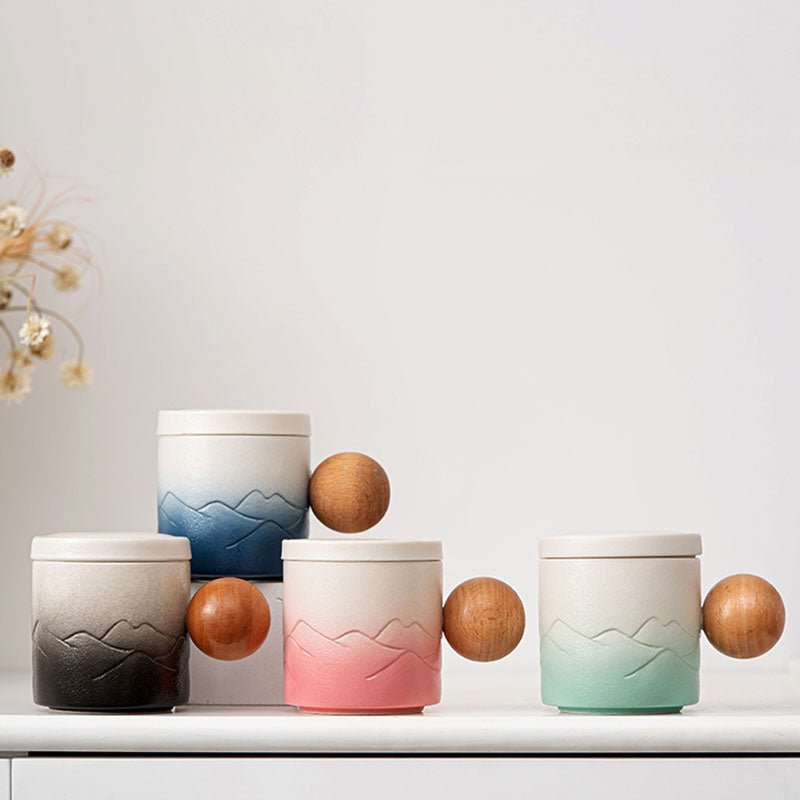
Initial Coffee Mug Buying Guide for Daily Use and Gift Giving
A practical guide to choosing an initial coffee mug that looks right on the shelf, feels balanced in the hand, and holds up to daily use and gifting.
Read more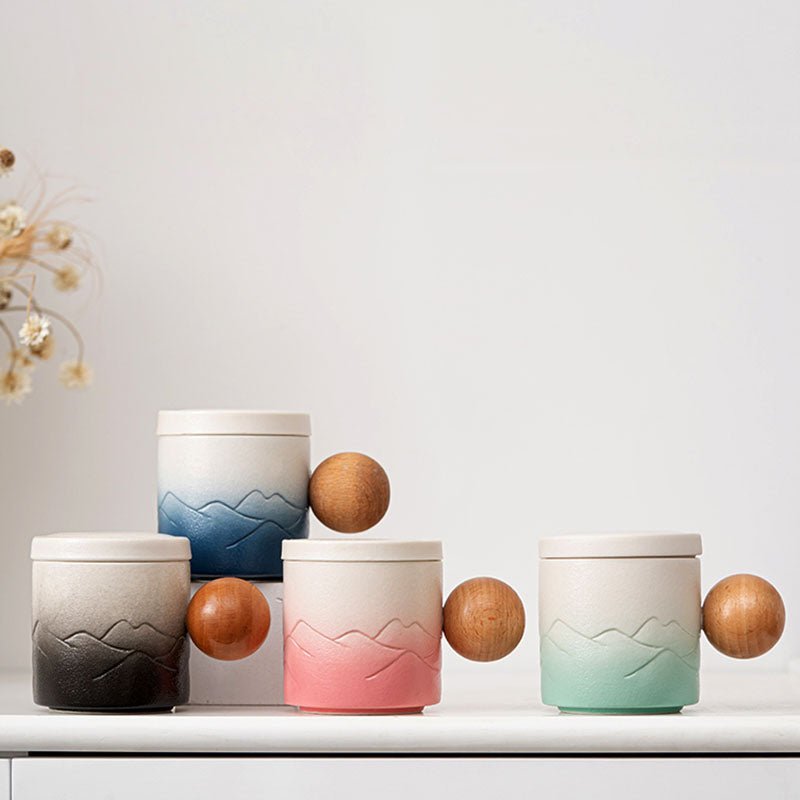
Coffee Mug 24 oz: Buyers Guide for Daily Use and Gifting
A coffee mug 24 oz gives you more room for long pours, tea, or desk use, but it also takes more cabinet space and can feel heavy when full. This guide shows what we check for comfort, durability, a...
Read more
Los kommentaar
This site is protected by hCaptcha and the hCaptcha Privacy Policy and Terms of Service apply.