
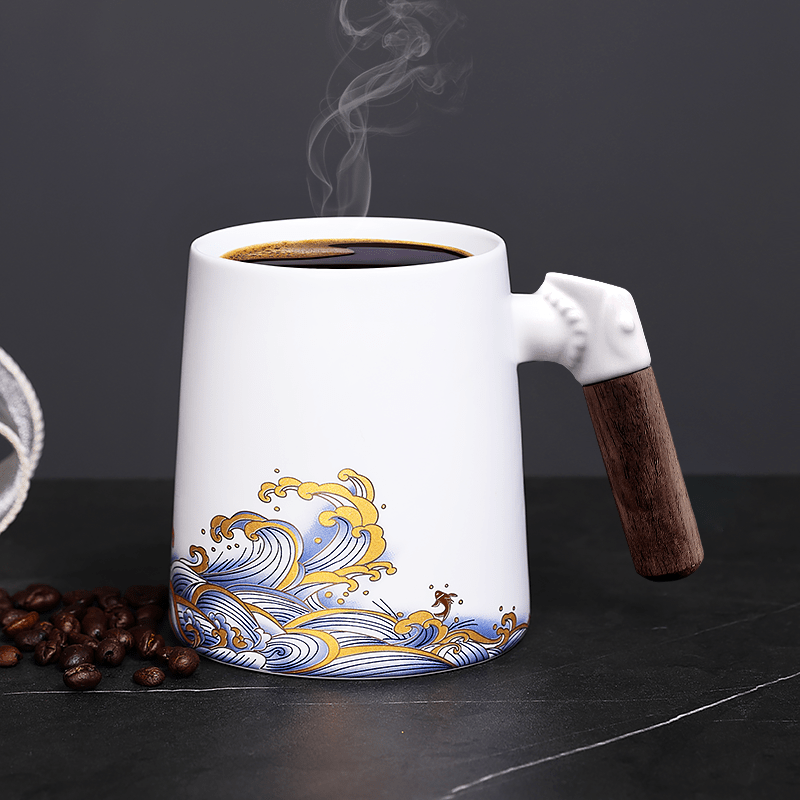
Big Mug Coffee Roaster: What Buyers Should Check Before Ordering
Reading time: about 7 minutes
People searching for a big mug coffee roaster usually want one thing: a mug that holds a full pour without feeling clumsy in the hand. The tricky part is that a large mug can look perfect online and still fail on a desk, in a kitchen sink, or after a few dishwasher cycles.
In our store, the biggest complaints we hear about oversized mugs are not about capacity. They are about balance, handle comfort, and finishes that chip sooner than expected. If you are comparing options for daily use, gift giving, or a home coffee setup, the details below matter more than the photo.
For a broader buying comparison, our guide on Big Mug Coffee: How to Choose the Right Large Mug for Daily Use covers the day-to-day side of sizing, while Best Mug to Drink Coffee: What Actually Works Every Day is useful if you are deciding between a standard mug and something larger.
What should a buyer notice first on a big mug?
Start with how the mug feels before you think about capacity. A 16- to 20-ounce mug can be great for a long pour, but if the handle is tight or the body is too wide for your shelf, it becomes a nuisance fast.
We look at three things first: handle clearance, base stability, and rim comfort. Handle clearance means whether two fingers fit without scraping the mug wall. Base stability means the mug sits flat without a wobble on a wood desk or stone counter. Rim comfort matters more than most shoppers expect, especially if the lip is thick or sharply cut.
A mug that looks generous empty can still feel awkward once it is full.
If you like seeing product variety first, start with our product pages or browse the full collection to compare shapes side by side.
Which details matter more than the photos?
Photos rarely show the parts that decide whether a mug gets used every morning or stays in the cabinet. The finish, the underside, and the handle join are where the real differences show up.
| What to check | Why it matters | What to look for |
|---|---|---|
| Material | Changes heat retention, weight, and care | Ceramic or stoneware for home use; stainless steel if heat retention matters more than microwave use |
| Handle shape | Controls comfort on longer drinks | Room for two fingers, smooth inner edge, no sharp pinch point where the handle meets the body |
| Base | Prevents wobble and coaster scratches | Flat foot ring, even glaze or clean unglazed edge, no rocking on a hard table |
| Rim and glaze | Affects drinking feel and long-term durability | Even glaze coverage, no pinholes, no rough rim, no visible crazing before first use |
| Care label | Determines how easy it is to live with | Clear dishwasher and microwave guidance, plus any limits on metallic decals or special finishes |
Those details sound small, but they are the parts that fail first. A mug can look sturdy and still have a handle that flexes differently from batch to batch, or a base that collects tiny chips from repeated contact with the sink.
What size and material fit your routine?
The right big mug depends on where you actually drink from it. A desk mug, a kitchen mug, and a travel-friendly mug are not the same purchase, even if they all hold the same amount of coffee.
For home use, ceramic and stoneware are the common choices because they feel substantial, rinse clean easily, and usually hold heat well enough for a normal morning pace. They are not the best option for commuting. If you need a mug for the car, a stainless steel travel piece is usually the better tool, even though it gives up the relaxed ceramic feel that many buyers want at a desk.
If you are deciding between large and standard sizes, this is the basic trade-off:
- A bigger mug gives you room for milk, cream, or a second pour.
- A standard mug is lighter, easier to store, and less likely to feel top-heavy.
- A wide mug cools faster than a tall, narrow mug.
- A heavy stoneware mug can feel premium but may be too much for one-handed carrying.
That last point matters. A mug that is comfortable on a kitchen counter may be a poor choice for someone who carries coffee between meetings or walks around the house while drinking.
What problems show up after a few dishwasher cycles?
The first wash rarely tells the full story. Problems usually show up after repeated use, especially if the mug moves from hot coffee to a cold counter, then into a hot dishwasher, then out again.
- Hairline crazing: fine lines in the glaze that can appear over time, especially on ceramic mugs exposed to temperature swings.
- Rim chips: small nicks from stacking, sink contact, or careless drying.
- Handle cracks: stress points where the handle joins the body, often caused by drops or long-term weak firing.
- Wobble: a slightly uneven base that seems minor at first but becomes annoying on a slick desk or coaster.
- Decal wear: printed designs that fade or scuff if the finish is not suited to dishwashing.
We recommend checking the care notes before buying. If a mug is labeled hand-wash only, that is not a small warning. It usually means the finish or decoration is more delicate than a plain everyday mug. If you want less maintenance, stick with a straightforward ceramic glaze and a simple surface finish.
For shoppers comparing size against durability, our article on Big Mug Coffee Roaster Santa Clara CA: What Buyers Should Check is useful if you want the same kind of checklist we use before recommending a piece in person.
Who should skip a big mug?
A big mug is not the best answer for every coffee drinker. That is the honest trade-off. If someone wants espresso, a smaller cup is better. If they drink coffee while driving, a full-size desk mug is the wrong shape. If they have limited cabinet space, oversized mugs become storage clutter fast.
Big mugs are a better fit for:
- People who nurse one drink over a longer morning.
- Desk setups where the mug stays on a coaster most of the time.
- Home brewers who like extra room for cream, oat milk, or a second top-off.
- Gift buyers who want a practical present instead of a novelty piece.
They are usually a poor fit for:
- Car cup holders and commuting.
- Small hands that struggle with wide handles.
- Minimal cabinet space or crowded dish racks.
- Anyone who wants coffee to stay hot for a very long time without a lid.
If you are shopping for a gift, a big mug can work well when the design is simple and the handle feels substantial. If the recipient already owns a favorite daily mug, though, a larger size may not get used as often as you expect. That is why we encourage shoppers to compare shape, not just print or color. For more context, our post on Best Coffee Mug: What Actually Matters for Daily Use helps separate nice-looking mugs from mugs people keep reaching for.
Frequently asked questions
How many ounces is a big coffee mug?
Most buyers think of a big mug as something in the 16- to 20-ounce range, though some oversized designs go larger. The right size depends on how much you pour at once and whether you add milk, cream, or extra water. A mug can be large without being bulky if the handle and base are balanced.
Is ceramic or stainless steel better for a big mug?
Ceramic and stoneware are better for home desks, counters, and relaxed drinking because they feel more natural in the hand. Stainless steel is better if you care more about heat retention and mobility. The trade-off is simple: stainless steel usually is not microwave safe, while ceramic usually is easier for everyday kitchen use.
Can a big mug go in the dishwasher and microwave?
Sometimes, but not always. Plain ceramic mugs are often fine in both, while metallic decals, special glazes, or stainless steel can change that completely. Check the care instructions before buying, and do not assume all oversized mugs are the same just because they look similar online.
What should I measure before buying a big mug online?
Measure the height, the widest point of the body, and the base diameter. Then compare those numbers to the shelf, coaster, and dishwasher rack you plan to use. If you have larger hands, also check handle clearance so you know whether two fingers fit comfortably.
Is a big mug a good gift?
Yes, if the person actually uses large mugs and has space for one. A simple, well-made mug is a safer gift than a novelty design because it works on a kitchen counter or office desk without feeling gimmicky. If you are unsure, a more standard daily mug is usually the safer choice.
If you are ready to compare options, start with the size and care checklist above, then browse our full collection or the current product pages to narrow down the shape, finish, and handle style that fit your routine.
More from our blog
Read more
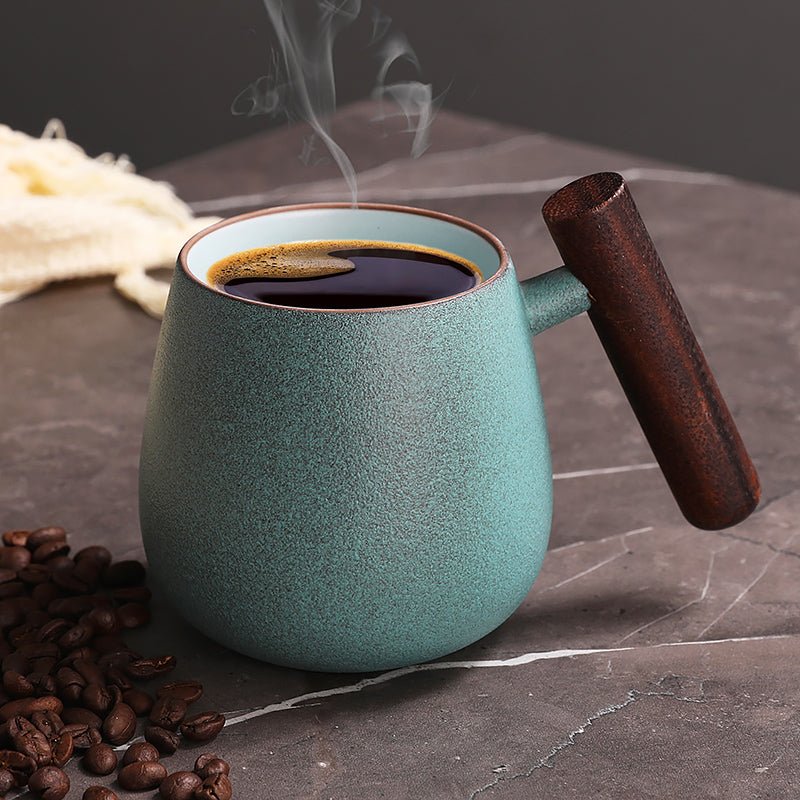
Coffee Pot Mug Buying Guide: What to Check Before You Buy
A coffee pot mug looks fun, but the useful ones still need a comfortable handle, stable base, and a shape that pours and drinks cleanly. Here’s how we judge the details before recommending one.
Read more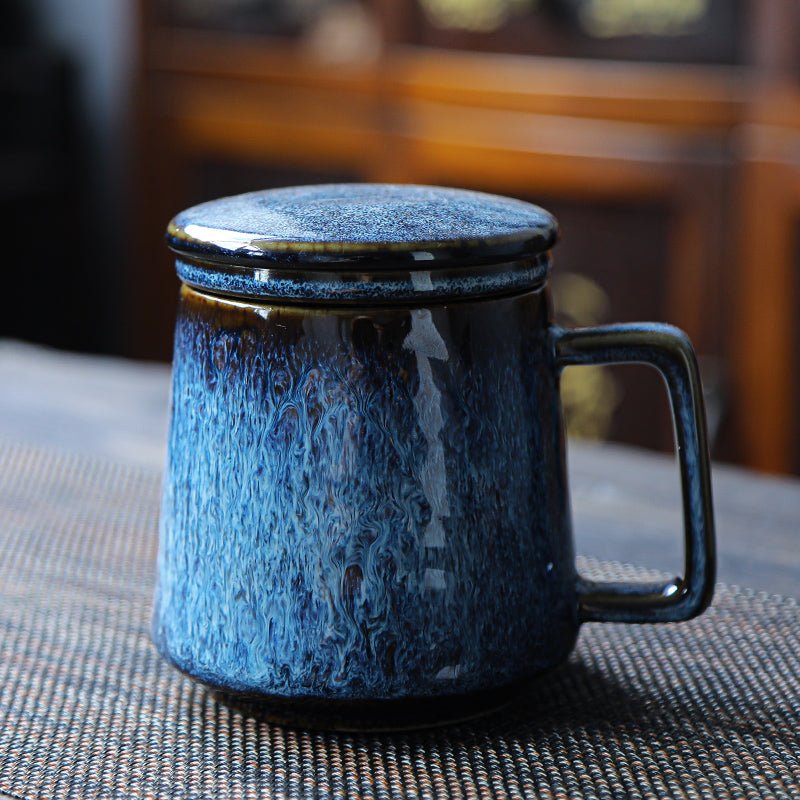
Snoopy Coffee Mug Buying Guide: What to Check Before You Buy
A practical guide to choosing a Snoopy coffee mug that looks good on the shelf and works for daily use. We cover materials, size, care, and gift-worthiness with real buyer trade-offs.
Read more
Los kommentaar
This site is protected by hCaptcha and the hCaptcha Privacy Policy and Terms of Service apply.