
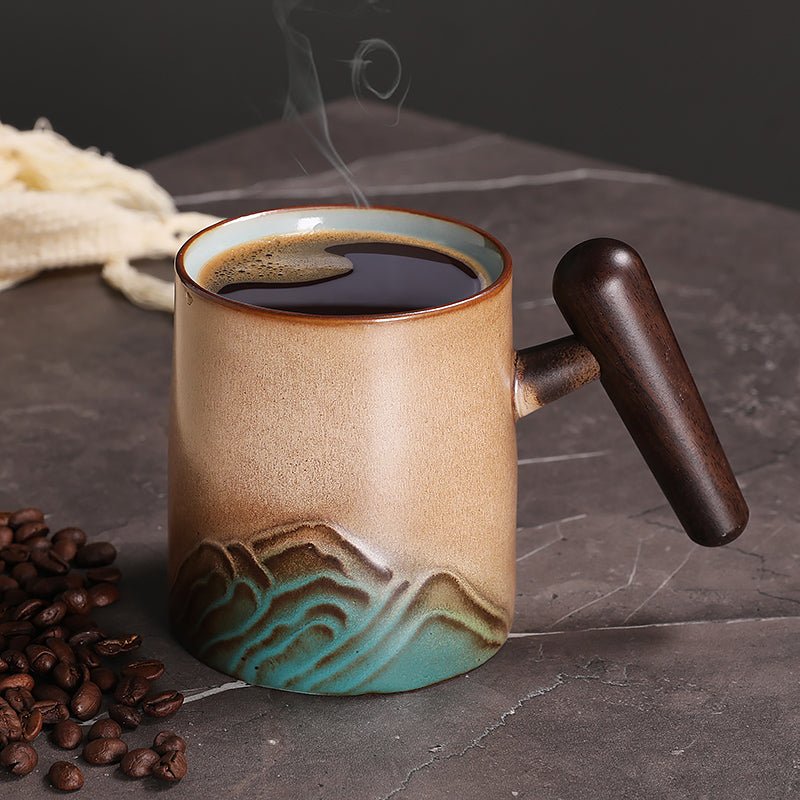
Big Mug Buying Guide: Sizes, Materials, and Daily Use Trade-Offs
Reading time: about 9 minutes
A big mug looks simple on the shelf. Then you take it home, pour in your first full cup, and realize shape, weight, and handle size matter a lot more than the listing photo suggested.
We see that all the time in our store. A shopper wants one mug for a long morning coffee, another for tea at a desk, or a sturdy everyday cup that survives the dishwasher without losing its finish. The right choice depends on more than volume alone. A big mug can be the best daily cup in the house, but only if it fits your hand, your cabinet, and the way you actually drink.
If you want to browse current options while you read, start with our full collection. For product-specific details, our product pages are the best place to check capacity, materials, and care notes before you buy.
What size does a big mug usually mean?
Most shoppers use “big mug” to mean something larger than a standard 8 oz cup. In practice, that often means 14 oz, 16 oz, 18 oz, or 20 oz and up. The best size depends on what you pour and how you drink it. A mug that feels generous for black coffee can feel oversized once you add milk, foam, or tea leaves.
In our experience, the mistake people make is choosing based on ounces only. A 16 oz mug with a wide bowl shape may look and feel larger than a taller 20 oz mug with straighter sides. That changes heat retention, hand feel, and how much space it takes on a counter or in a cabinet.
| Common size | Typical use | What to watch for |
|---|---|---|
| 14-16 oz | Daily coffee, tea, cocoa | Usually the easiest balance of capacity and comfort |
| 18-20 oz | Long work sessions, large pours, soup | Can feel heavy when full and may not fit smaller cup holders |
| Over 20 oz | Very large drinks or novelty use | Great for volume, less practical for quick sips or small hands |
If you want a deeper breakdown of how mug capacity affects daily use, our article 20 oz Coffee Mug: What to Check Before You Buy covers the trade-offs in a way that helps before checkout.
Which material works best for a big mug?
For most home buyers, ceramic is the default choice. It feels solid, holds heat reasonably well, and usually handles daily dishwasher use without fuss if the glaze and print are done properly. Stoneware is often a little heavier and more substantial in the hand. Porcelain can feel lighter and cleaner in appearance, but some people prefer the sturdier feel of stoneware for a larger cup.
There are real trade-offs here. A heavier ceramic big mug can feel premium, but if you drink while walking around the house or carry your coffee to a desk, extra weight matters. A thinner-walled mug may heat up faster with hot liquid and cool down sooner. Some metal travel mugs keep temperature longer, but they are not the same experience as an open mug, and they are not ideal if you want to smell the coffee or sip comfortably at your desk.
We usually tell shoppers to ask three questions:
- Do I want a mug that feels sturdy and grounded, or light and easy to lift?
- Will I use it mostly at home, or do I need a closed travel cup instead?
- Am I okay with a heavier mug when it is filled all the way to the rim?
For more help comparing large everyday cups, see Big Coffee Cups: What to Check Before You Buy a Large Mug. It pairs well with this guide if you are comparing shape and feel, not just capacity.
How do shape and handle size affect comfort?
Shape changes the whole experience. A wide-mouth big mug is easier to clean and good for topping with foam, but it can lose heat a little faster. A taller cylindrical mug can retain warmth better and often looks slimmer on a shelf, but it may feel less stable if the base is narrow. The handle matters just as much. If the handle opening is too small, a full mug can be awkward or uncomfortable to carry.
We check handle clearance closely because that is where many everyday complaints start. If you use two fingers through the handle, make sure there is enough room without your knuckles pressing the mug body. If you have larger hands or use the mug when it is very full, a handle with a comfortable gap is not optional. It is the difference between a mug you reach for every morning and one that ends up in the back row of the cabinet.
A big mug should feel easy when empty and secure when full. If it only looks good in product photos, it will annoy you by week two.
Another detail people overlook is base diameter. A mug with a wide base sits more securely on a desk, nightstand, or kitchen counter. That matters if you are working around a keyboard, a notebook, or a crowded breakfast tray.
What should you check before buying a big mug online?
Online shopping makes it easy to fall for the photo and miss the practical details. Before you buy, check the same points our team checks when we handle mugs in-store or review supplier samples.
- Capacity: Confirm whether the listed ounce size is usable fill volume or total capacity.
- Dimensions: Check height and width so you know if it fits under a cabinet, in a dishwasher rack, or near a coffee machine.
- Material: Look for ceramic, stoneware, or porcelain and note whether the mug is thinner, heavier, or more delicate.
- Care instructions: Verify dishwasher and microwave compatibility if that matters to your routine.
- Finish and glaze: A smooth glaze should feel even, not gritty or overly rough, and decorative prints should be sealed cleanly.
- Handle comfort: Make sure the handle size looks realistic for everyday use, not just styling.
That last point is not cosmetic. A large mug with a narrow handle can be uncomfortable after a full pour, especially with hot drinks. We have seen buyers choose a roomy mug and then realize the handle is the only part they touch every day.
What makes a big mug good for daily use, not just display?
A good daily-use big mug does three things well: it fits your drink, it cleans easily, and it holds up to repeated washing. Smooth glazing helps because coffee and tea stains are easier to remove. Straightforward shapes with fewer decorative ridges also tend to rinse clean faster. If the mug is microwave-safe, that adds real convenience for reheating, but only if the handle and walls stay comfortable to hold afterward.
In our store, we pay attention to common defect modes that shoppers rarely see in lifestyle photos:
- Uneven glaze: Can show up as rough spots around the rim or base.
- Wobbly base: A mug should sit flat, especially on a desk or kitchen counter.
- Handle stress points: The join between handle and body should look clean and even.
- Rim inconsistency: A rough or uneven rim makes every sip feel off.
If your mug will live in the dishwasher, choose one with a durable finish and a print that can handle repeated cycles. If handwashing is acceptable, you have more room to choose delicate finishes or specialty surfaces, but that is a trade-off, not a shortcut.
For shoppers comparing everyday mug styles beyond just size, Awesome Coffee Mugs: How to Choose a Mug You’ll Actually Use is a useful companion read.
Is a big mug a good gift?
Yes, if you know the person likes oversized coffee or tea and actually uses larger cups at home or work. A big mug makes a practical gift because it feels personal without being hard to match. That said, it is not the safest gift if the person drinks small espresso portions, prefers lightweight cups, or has limited cabinet space.
We have seen big mugs work especially well in gift unboxings for people who keep one mug at the office and one at home. They also make sense for teachers, remote workers, and people who like a longer drink on a cold morning. But if you are buying for someone who cares a lot about aesthetics, check the color, glaze, and handle style carefully. A mug that is “big” but awkward in the hand does not feel thoughtful for long.
If you are narrowing down options by size, our article Big Mug Coffee: How to Choose the Right Large Mug for Daily Use is a helpful next step before you place an order.
What are the main trade-offs of choosing a big mug?
A big mug solves one problem and creates a few others. You get more capacity, fewer refills, and often a more relaxed drinking pace. But you also get more weight when the mug is full, more surface area to cool down, and more space taken up in the dishwasher, cabinet, or drying rack.
That means a big mug is not the best pick for every buyer:
- Not ideal for quick espresso drinks: A smaller cup suits concentrated servings better.
- Not ideal for very small hands: A heavy full mug can feel unwieldy.
- Not ideal for on-the-go use: If you commute, a travel mug is the better tool.
- Not ideal for tiny kitchens: Larger mugs take more cabinet space and can crowd the shelf.
For people deciding between a more compact cup and a larger one, we also suggest comparing with smaller formats such as our 8 oz Coffee Mug: What to Check Before You Buy. Seeing both ends of the range makes the choice clearer.
Frequently asked questions
What size is considered a big mug for coffee?
Most shoppers consider 14 oz and up to be a big mug, with 16 oz and 20 oz being the most common everyday sizes. The right size depends on how much coffee you actually drink and whether you add milk, foam, or cream. Bigger is not always better if you prefer a drink that stays hot and finishes before it cools.
Are big mugs dishwasher safe?
Many ceramic and stoneware big mugs are dishwasher safe, but you should always check the product details before buying. Printed mugs, metallic accents, and some specialty finishes may need gentler care or handwashing. If you want easy cleanup, look for a smooth glaze and care instructions that clearly say dishwasher safe.
Do big mugs keep coffee hot longer?
Not necessarily. A bigger mug can hold more coffee, but a wider opening often loses heat faster than a smaller, narrower cup. Thick ceramic can help retain warmth better than thin-walled mugs, but if heat retention is your top priority, a lidded travel mug may be a better fit.
Is a big mug good for tea or soup too?
Yes, many large mugs work well for tea, hot chocolate, and even small servings of soup. The best choice is a mug with a comfortable handle, stable base, and a shape that is easy to sip from or spoon out of. Just make sure the finish and material suit repeated hot use.
What should I avoid when buying a big mug online?
Avoid choosing by photo alone. Check the exact ounces, height, width, handle size, and care instructions so you do not end up with a mug that is too heavy, too wide for your cabinet, or awkward to hold. A big mug should fit your routine, not just your cart.
If you are ready to compare options, start with the practical details first: capacity, handle comfort, material, and care. Then browse our collection of mugs to find a big mug that fits the way you actually drink, clean, and store it.
More from our blog
Read more
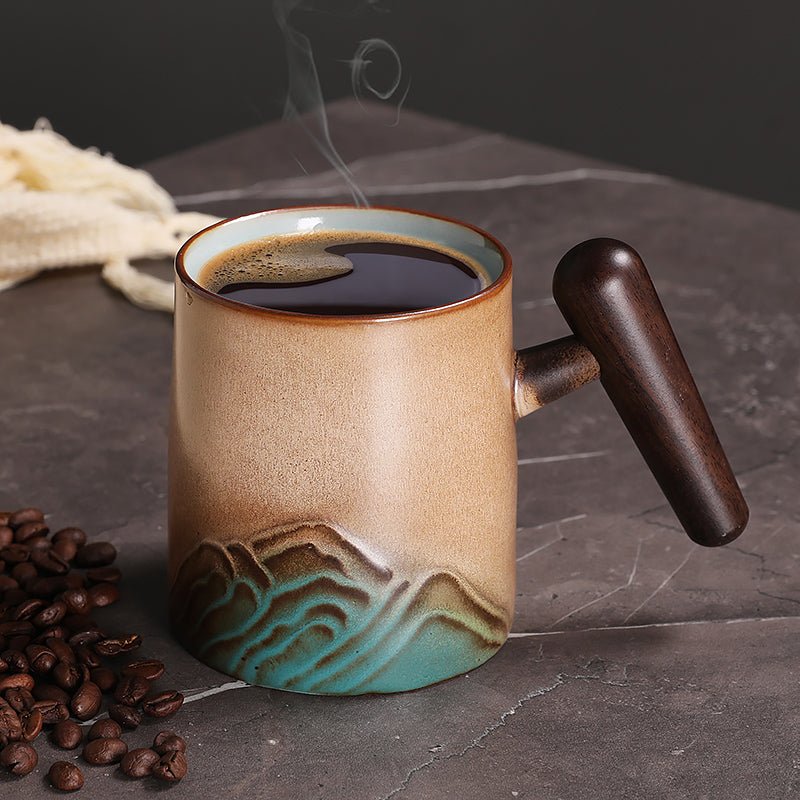
Extra Large Coffee Mugs: What to Look for Before You Buy
Extra large coffee mugs solve a very specific problem: one cup that lasts through a long desk session, a slow morning, or a second pour without constant refills. Here’s how we compare size, shape, ...
Read more
Camping Cup Buying Guide: Materials, Sizes, and Real Trade-Offs
A practical guide to choosing a camping cup for coffee, tea, and trail use. We cover materials, sizes, care, and the trade-offs that matter before you buy.
Read more
Los kommentaar
This site is protected by hCaptcha and the hCaptcha Privacy Policy and Terms of Service apply.