
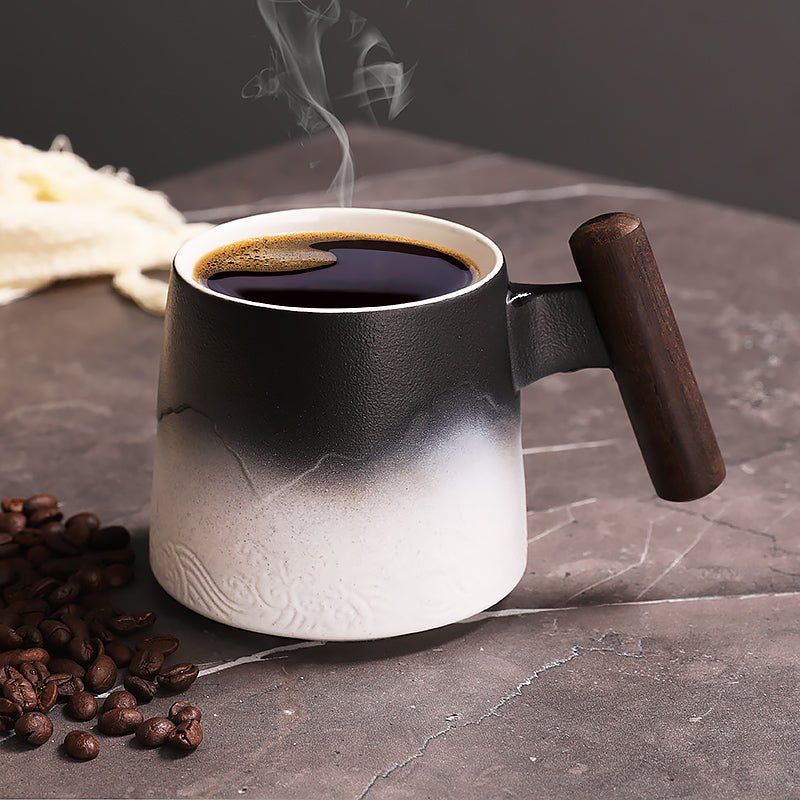
Best Travel Coffee Mug: What to Check Before You Buy
Reading time: about 10 minutes
The best travel coffee mug is the one you can grab half-awake, throw in a bag, and trust not to leak onto a laptop. In our store, the mugs that disappoint buyers usually fail for practical reasons: the lid is fiddly, the cup is too wide for a car holder, or the insulation is fine for ten minutes and weak after that.
If you are comparing options for commuting, desk use, or weekend errands, focus on the details that affect daily use. We break those down here, and if you want the deeper lid-and-fit breakdown, our Travel Coffee Mug Buying Guide: Leakproof Lids, Insulation, and Fit covers the seal and sizing questions in more depth.
What actually makes the best travel coffee mug?
A strong travel mug does three jobs at once: it keeps heat in, it stays sealed in motion, and it is easy to clean on a normal day. Those are not the same thing. A mug can look premium on a shelf and still be awkward in a car, noisy on a desk, or frustrating when you rinse it after a refill.
When we evaluate mugs for our store, we look for the small details that make daily use easier, not just the appearance:
- A lid seal that stays consistent. Silicone gaskets should sit evenly and not twist out of place after repeated opening.
- A body shape that fits where you actually drink. Cup-holder compatibility matters more than a polished finish if you commute by car.
- Double-wall insulation if you want temperature stability. Vacuum-insulated stainless steel usually holds up better than a thin single-wall body.
- A lid that can be cleaned properly. Coffee oils build up fast in sliders, threads, and drinking spouts if the parts do not come apart easily.
Common defect modes are predictable. Lids start to seep at the gasket, sliders loosen, threading cross-seats after rushed closing, and painted exteriors chip near the base when a mug bangs against a desk or car console. None of those are glamorous details, but they are the things that decide whether a mug feels reliable after month two.
A travel mug that is hard to wash becomes a stale-coffee mug within a week.
Which material works best for your routine?
Material changes the drinking experience as much as the lid does. We usually see shoppers choose based on looks first, then notice the trade-offs later. This is where it helps to compare the real-world feel of each build rather than treating all mugs as the same category.
| Material | What it does well | Trade-off | Best for |
|---|---|---|---|
| Double-wall stainless steel | Strong heat retention, durable body, good for bag carry | Can dent, and the interior finish affects taste and cleaning feel | Commutes, car use, and everyday travel |
| Ceramic-lined stainless steel | Cleaner coffee flavor and a more familiar drinking feel | Usually heavier, and the lining can be less forgiving if dropped hard | Desk use and shorter trips |
| Plastic-bodied mugs | Lightweight and easy to carry | Less heat retention and more odor pickup over time | Cold drinks or backup use |
If you prefer the feel of a normal mug and do not need maximum heat retention, ceramic-lined options can make sense. If your coffee lives in a bag, a stainless steel body is usually the safer pick. Plastic is the least demanding to carry, but it is also the least impressive for hot coffee over time.
For a broader comparison of everyday cup styles beyond travel-specific use, our Travel Mug Coffee Mug: How to Choose the Right One for Daily Use is useful if you are deciding between a desk mug and a takeout-ready one.
What size should you choose for commuting and desk use?
Size is where buyers often overbuy. A bigger mug sounds practical until it stops fitting in a cup holder, feels too heavy in a tote, or takes too long to finish before the coffee cools down. The right size depends on how long you keep coffee with you, how much you actually drink, and whether the mug will travel in a car or mostly sit beside a keyboard.
- 12 oz: Best for a shorter commute, espresso-based drinks, or people who want a lighter mug with a smaller footprint.
- 16 oz: The most flexible everyday size for drip coffee, office use, and most standard routines.
- 20 oz and up: Better for long drives, larger pours, or people who want one fill to last longer, but it adds bulk.
There is also a shape question. A tapered base tends to work better in a car. A straighter body can feel nicer on a desk but may take up more space in a bag. If you want one mug for the office and the car, fit is usually more important than pure capacity.
For shoppers who want a cleaner cabinet-to-car decision, our collection of mugs is the fastest way to compare sizes side by side. We also keep current options on our product page if you want to look at the available styles directly.
Which lid style is least annoying to use every day?
The lid decides whether the mug feels easy or irritating. A good lid opens cleanly, seals securely, and does not splash when you drink while walking. A bad one either leaks, requires two hands, or traps coffee in places you cannot rinse well.
- Flip-top lids: Convenient for car use and quick sips, but the hinge and seal need to be sturdy or they start to wobble.
- Slider lids: Simple for desk use and easy to open with one hand, though some sliders collect residue around the track.
- Twist-lock lids: Often feel more secure in a bag, but they are slower if you want fast coffee between meetings.
- Open-drink lids: Comfortable for a normal mug feel, but not the right choice if spill protection is the priority.
If you sip while driving, look for a lid with a positive lock and a mouth opening that does not dribble when tilted back. If the mug is mostly for a desk, ease of cleaning can matter more than maximum spill protection. Hot coffee and one-handed operation are a useful combination, but not every lid style delivers both equally well.
How much insulation do you actually need?
Insulation is easy to oversell. A vacuum-insulated mug is useful because it slows heat loss, but it does not turn coffee into something that stays untouched all day. Lids, fill level, and how often you open the mug all matter. A half-full mug cools faster than a fuller one, and a loose lid can undo the benefit of a solid body.
In practical terms, here is how we think about it:
- Short commute: Basic insulation is often enough if you drink coffee soon after pouring.
- Morning meetings and desk work: Better insulation helps if you sip slowly over an hour or two.
- Long drives or outdoor use: Strong insulation and a tight lid become much more important.
One simple habit improves performance: preheat the mug with hot water before pouring coffee. It is a small step, but it helps the mug start from a warmer baseline. The same advice works in reverse for iced drinks.
We do not treat a travel mug as a thermos substitute for every situation. If you want coffee that stays very hot for a long stretch, a larger insulated vessel may suit you better. If you want the same drinking feel as a ceramic mug, a travel mug will always involve some compromise.
What mistakes do buyers make most often?
Most returns and complaints come from expectations, not manufacturing. The mug may be fine, but it was the wrong type for the person using it. We see the same mistakes repeat across office desks, car cup holders, and kitchen counters.
- Buying for looks instead of fit. A stylish mug that misses the cup holder is a daily nuisance.
- Ignoring how the lid cleans. Coffee residue in threads, sliders, and gaskets leads to odor and buildup.
- Expecting microwave use. Stainless steel travel mugs are not microwave-safe, so that matters if you reheat drinks often.
- Choosing too much capacity. A large mug can be bulky, heavy, and harder to drink from in motion.
- Skipping care instructions. Even a durable mug benefits from regular washing and lid disassembly when possible. Our Coffee Mug Care Tips to Make Your Mug Last Longer covers the routines that prevent lingering coffee smell and residue.
Another trade-off worth saying out loud: the most leakproof lid is not always the most pleasant lid to drink from. Some secure designs ask for slower sipping or an extra hand to close them properly. That is fine if your main concern is spill control. It is less fine if you want a grab-and-go mug that behaves like a normal cup.
Which travel mug is best for office, car, or weekend use?
The best travel coffee mug for one person is not always the best for another. We usually narrow it down by daily scenario first, then by size and lid style. That keeps the decision practical.
- For the car: Choose a tapered base, a secure leak-resistant lid, and a size that does not crowd the console.
- For the office: Choose a quieter lid, a body that feels comfortable near a keyboard, and a finish that is easy to wipe clean.
- For weekend errands: Choose something lighter and simpler if you only need coffee for an hour or two.
- For bag carry: Prioritize lid security and a shape that will not snag or tip inside a tote.
If you want a fast way to compare these use cases, start with the full range in our collection and then filter mentally by lid, size, and how you actually move through the day.
Frequently asked questions
What size is best for a travel coffee mug?
For most buyers, 16 oz is the safest default because it handles a standard pour without becoming too bulky. If you drink smaller servings or want a lighter mug for a short commute, 12 oz can be better. If you need coffee to last through a long drive or a longer morning, 20 oz and up gives you more capacity, but it adds weight and takes up more space.
Is stainless steel better than ceramic for travel?
For travel, stainless steel is usually the stronger choice because it is tougher, more forgiving in a bag, and better at handling bumps. Ceramic-lined options can feel nicer to drink from and may taste closer to a regular mug, but they are usually less impact-resistant. If your priority is commuting, stainless steel is usually the more practical material.
Can I put a travel coffee mug in the dishwasher?
Sometimes, but not always. The body may be dishwasher-safe while the lid needs hand washing, and some finishes are better preserved with gentle cleaning. We recommend checking both the mug body and the lid separately because the lid often wears faster than the cup itself.
What makes a travel mug leakproof?
A leakproof mug depends on a tight lid fit, a good silicone gasket, and a closing mechanism that stays seated under movement. Even then, a lid can seep if the gasket is warped, the threads are not fully closed, or coffee residue keeps parts from sealing properly. If you carry coffee in a bag, test the lid with water first before trusting it with a full hot drink.
What travel mug is best if I drink coffee slowly?
If you sip over a long stretch, focus on insulation and a lid that is comfortable to open and close repeatedly. A 16 oz or 20 oz vacuum-insulated mug usually works well, but a smaller ceramic-lined mug can be pleasant if you are at a desk and do not need maximum spill protection. The best choice is the one that keeps the coffee hot without making each sip feel like a chore.
If you want the quickest path to the right choice, compare three things first: lid security, size, and cleaning. Then browse our collection or go straight to our product page to match a mug to how you actually drink coffee.
More from our blog
Read more
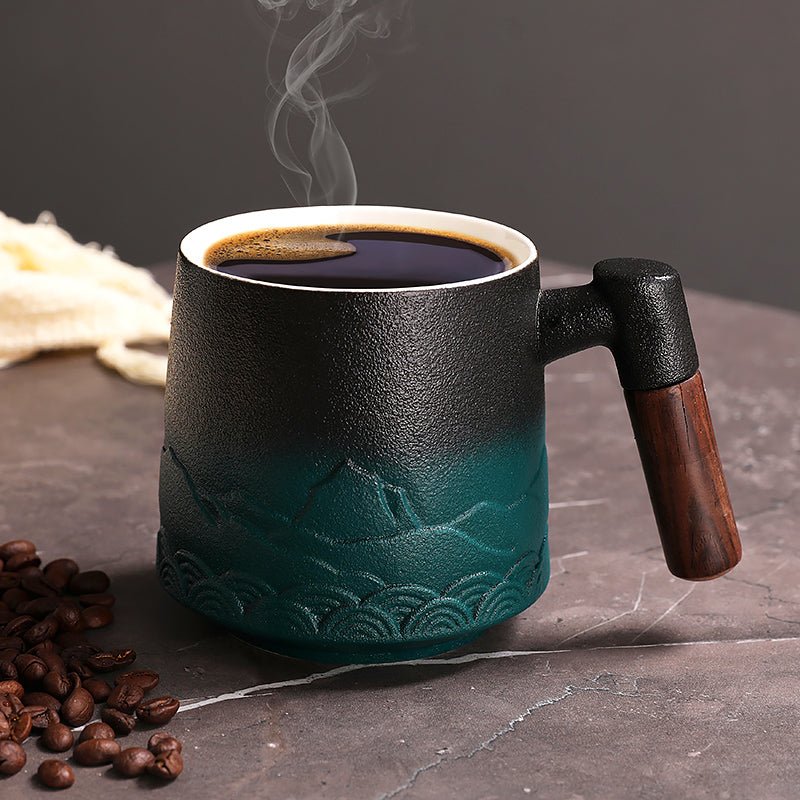
Travel Mug Coffee Mug: How to Choose the Right One for Daily Use
A travel mug coffee mug should seal cleanly, fit your cup holder, and stay easy to wash after real daily use. We break down the trade-offs so you can pick one that matches your commute, desk, or gi...
Read more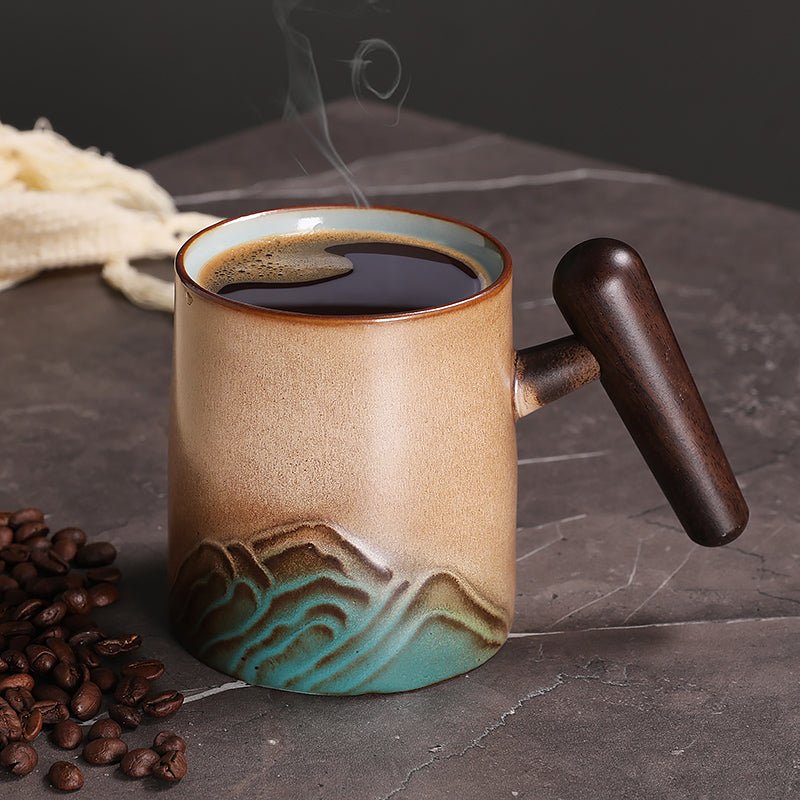
Stainless Steel Coffee Mug Buying Guide for Daily Use
A practical guide to choosing a stainless steel coffee mug for desk use, commuting, and everyday drinking. We cover size, lid fit, insulation, taste, and care so you can buy with fewer surprises.
Read more
Los kommentaar
This site is protected by hCaptcha and the hCaptcha Privacy Policy and Terms of Service apply.