
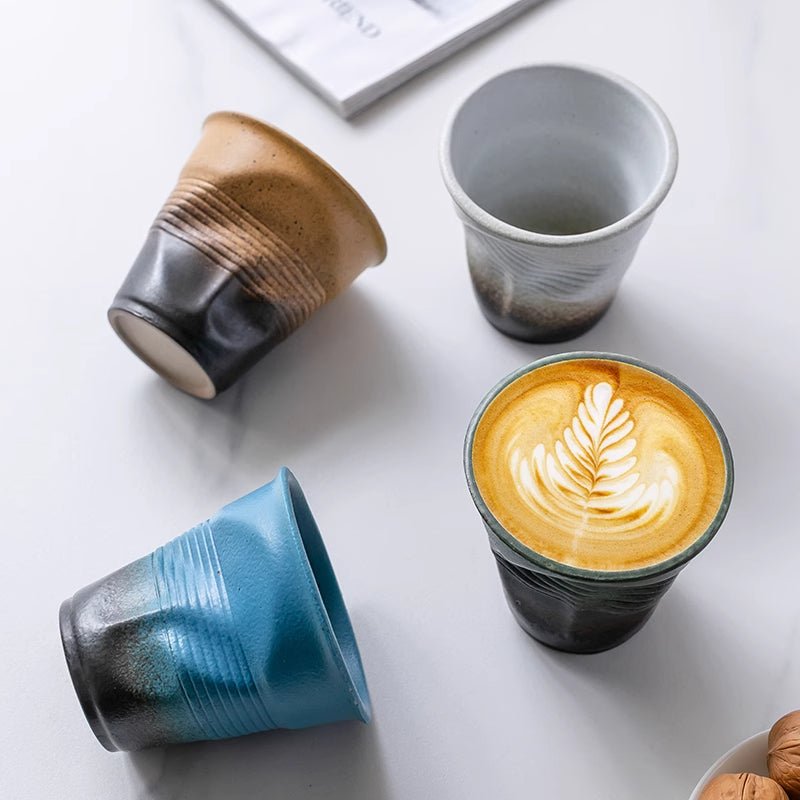
Beautiful Coffee Cups: What to Look for Before You Buy
Reading time: about 10 minutes
A cup can look perfect on the shelf and still annoy you every morning if the handle is cramped, the rim feels rough, or the glaze starts to show marks after a few dishwasher cycles. That is the gap we focus on in our store: beautiful coffee cups that also work on a real kitchen counter, at an office desk, and in a gift box that gets opened in front of other people.
We sell and handle this category every day, so we pay attention to the details buyers usually discover too late. The finish, the weight, the lip feel, the base stability, and the cleanup all matter. A cup that photographs well but drinks poorly is a short-term purchase. A cup that balances looks with usability stays in rotation.
What makes beautiful coffee cups worth buying?
Beauty in drinkware is not only about color or pattern. The best beautiful coffee cups hold their shape visually and still feel practical after repeated use. A good one looks intentional on a shelf, but it also pours cleanly, sits level on a desk, and does not feel awkward once you wrap your hand around the handle.
In our experience, buyers usually respond to three things first:
- Glaze and finish: matte, glossy, speckled, or two-tone surfaces all change the mood of the cup. A satin glaze can feel calm and modern, while a glossy finish usually looks brighter under kitchen lighting.
- Shape: a straighter wall feels more contemporary, while a rounded body can feel softer and more traditional.
- Handle comfort: a handle should leave enough finger room without forcing you to pinch the cup from the bottom when it is full.
There is a trade-off. The most decorative cups are not always the most forgiving. A heavily textured finish can look beautiful but show tea or coffee residue faster around the rim. Very thin walls can feel elegant, yet they may not be the best choice if you want a mug that keeps heat longer. If your priority is display first, that is a valid choice. If you want a daily driver, look for the middle ground.
If you want a wider starting point, our collection is the easiest place to compare styles side by side before narrowing to the look and size you want.
Which material should you choose for daily use?
Material matters because it affects weight, temperature feel, durability, and care. We see shoppers focus on the design and forget the surface they will actually touch every day. For beautiful coffee cups, the material is part of the design, not separate from it.
| Material | What it looks like | What it does well | Where it falls short |
|---|---|---|---|
| Ceramic | Classic, versatile, easy to glaze in many finishes | Comfortable to hold, strong everyday appeal, easy to style as a gift | Can chip if knocked against sinks or hard counters |
| Porcelain | Cleaner, finer, more refined | Often feels lighter and more polished | Can be less forgiving than thicker stoneware if you are rough on mugs |
| Stoneware | Heavier, earthy, handmade look | Solid feel, good heat retention, good for a cozy table setting | May feel bulky if you prefer a lighter cup |
For most buyers, ceramic is the practical sweet spot. It gives you a lot of visual range without making the cup feel fragile in daily use. If you want a more refined presentation for a gift or a formal table, porcelain can work well. If you like a more substantial hand feel, stoneware is often the better pick.
A simple example from everyday use: a ceramic cup with a smooth glazed interior is easier to rinse after espresso, while a matte exterior can look rich on a shelf but needs a little more attention if you want to keep it looking clean. That is not a dealbreaker. It just means you should buy with your routine in mind.
If you are comparing styles for gifting or desk use, our article on Coffee Cups Cool: What to Buy for Daily Use and Gifting is a useful companion read because it covers the practical side of choosing something that still feels special.
How do size and shape change the experience?
Size affects more than capacity. It changes how a mug feels in the hand, how fast coffee cools, and whether the cup fits your brewing routine. A beautiful design that does not match your drink volume will get left in the cabinet.
For buyers choosing beautiful coffee cups, these points matter:
- 10 oz cups tend to suit shorter pours, espresso-based drinks, and people who prefer a compact profile. If you want a smaller footprint and a lighter hand feel, our 10 oz Coffee Mug guide is a practical place to start.
- 12 oz cups are often the most flexible for everyday coffee drinkers. They fit many standard servings without looking oversized on a table. See our 12 oz Coffee Mugs breakdown if you want a balanced middle option.
- 16 oz cups work better for larger pour-over servings, milk-heavy drinks, or long desk sessions. If you usually want more room, read our 16 Ounce Coffee Mug Buyer’s Guide before choosing.
The right shape also helps with comfort. A tapered mug often feels easier to grip, especially if the handle is small. A straight-sided cup can look sharper and more modern, but it may feel less secure if your hands are large or if you tend to carry your coffee between rooms. That is why we always tell shoppers to think about how they actually use the cup, not only how it looks in product photos.
For people comparing larger options, our Big Coffee Cups: What to Check Before You Buy a Large Mug article covers the trade-offs that show up once you move past the standard size range.
What small details separate a display piece from a daily mug?
This is where a lot of buyers get surprised. The most beautiful coffee cups often look similar online, but the real differences show up in the tactile details. We check these in our store because they affect whether a cup feels premium or just decorative.
- Rim finish: a smooth rim gives a cleaner sip. Any roughness, even slight, becomes noticeable fast.
- Base flatness: a cup should sit steady on a table without wobble. A slightly uneven base is the kind of defect that feels minor until you use the mug every morning.
- Handle clearance: fingers need room, especially if the cup is filled to the top and the ceramic warms up.
- Glaze consistency: small variations can be part of the charm on handmade-looking pieces, but heavy drips, pinholes, or missed spots are a quality concern.
- Interior color: a light interior can make it easier to see coffee residue, while a darker interior can hide stains better between washes.
There are also limitations to be honest about. A highly decorative cup is not the best choice if you want stackability, heavy travel use, or a mug that will live in a crowded office kitchen. If you plan to toss it in a bag or use it around children, a simpler and more durable style is usually the smarter buy.
For shoppers looking at prettier seasonal styles, our Christmas Coffee Cups: How to Choose the Right Mug for Gifts and Daily Use article is useful because it shows how a festive design can still work after the holiday shelf comes down.
Which beautiful coffee cups make the best gifts?
A gift mug should feel personal without being so specific that it becomes hard to use. The best gifts are attractive, comfortable, and easy to live with. We see gift buyers make one of two mistakes: they pick something too plain, or they buy something so themed that it only works for a narrow season.
If you are choosing a gift, look for these qualities:
- Neutral but memorable color: cream, soft gray, muted blue, or deep earthy tones tend to age better than loud novelty graphics.
- Moderate size: a cup that is too small can feel underwhelming, while a very large mug can feel bulky for someone who drinks one quick coffee at a time.
- Easy care: dishwasher-safe care is usually a better fit for a gift than a piece that needs special handling.
- Presentation: a cup with a clean silhouette and a polished glaze often looks better unboxed on a desk or shelf.
A good gift mug is not always the most ornate one. In practice, the person receiving it often wants something they can reach for without thinking. That is why we like beautiful coffee cups that look considered but not precious. They feel nice on day one and still make sense after the first dozen washes.
If you want to browse a range of styles before deciding, start with our products page, where you can compare the current selection and find the shape that matches your buyer profile.
How should you care for coffee cups so they stay beautiful?
Care is where a cup either keeps its finish or starts looking tired. Even strong ceramic and porcelain pieces benefit from a little attention. We see the same wear patterns repeatedly: metal utensil marks inside lighter glazes, surface dulling from harsh scrubbing, and chips around the foot or rim from crowded sinks.
Simple care habits help:
- Rinse the cup soon after use if you drink dark coffee, tea, or cocoa.
- Use a non-abrasive sponge rather than a harsh scrubber on glazed surfaces.
- Do not stack cups tightly unless the shape is made for it; rim contact can create small chips over time.
- Let the cup dry fully before storing if you want to avoid lingering smells in enclosed cabinets.
Dishwasher cycles are convenient, but they are not identical to hand washing. Repeated high-heat cycles, bumped edges, and contact with other dishes can wear down even good drinkware. If a cup has delicate gold accents, hand washing is usually the safer choice. If a piece is made for easy daily use, a standard dishwasher-safe ceramic is usually the more practical option.
For buyers who prefer a certain size and want care advice at the same time, the 16 oz Coffee Mugs: What to Check Before You Buy article is a helpful follow-up because larger mugs often need a little more cabinet and sink management than smaller ones.
Frequently asked questions
What size is best for beautiful coffee cups?
For most people, 12 oz is the easiest all-around choice because it fits common coffee servings without feeling oversized. If you drink shorter pours or want a more compact look, 10 oz works well. If you prefer milk-heavy drinks or a larger pour, 16 oz is often a better fit.
Are ceramic coffee cups a good choice for daily use?
Yes, ceramic is usually the most practical balance of appearance and everyday usability. It gives you a wide range of finishes and shapes, and it feels comfortable in the hand. The main limitation is chip risk if you are rough on dishes or have a crowded sink area.
What makes a coffee cup feel more premium?
Rim smoothness, balanced weight, a steady base, and a clean glaze finish all make a bigger difference than most shoppers expect. A premium cup also feels comfortable when full, not just empty on a shelf. If the handle fits well and the surface looks even under kitchen light, that is usually a good sign.
Can beautiful coffee cups still be dishwasher-safe?
Yes, many are. Dishwasher-safe design is common in everyday ceramic drinkware, but decorative finishes like metallic accents or very delicate hand-applied details may need hand washing. Always match the care method to the finish if you want the cup to keep its look longer.
What should I avoid if I want a mug for office use?
A very heavy mug, a wide base that crowds the desk, or a highly fragile decorative finish can be awkward in an office setting. We usually recommend something stable, easy to rinse, and comfortable to hold with one hand. If the cup will sit near a keyboard or travel between rooms, simpler is usually better.
If you are ready to compare options, start with the current selection on our products page, then check size against the use case you have in mind. If you want the broadest view, the collection page is the fastest way to narrow down a beautiful cup that actually fits your routine.
Read more
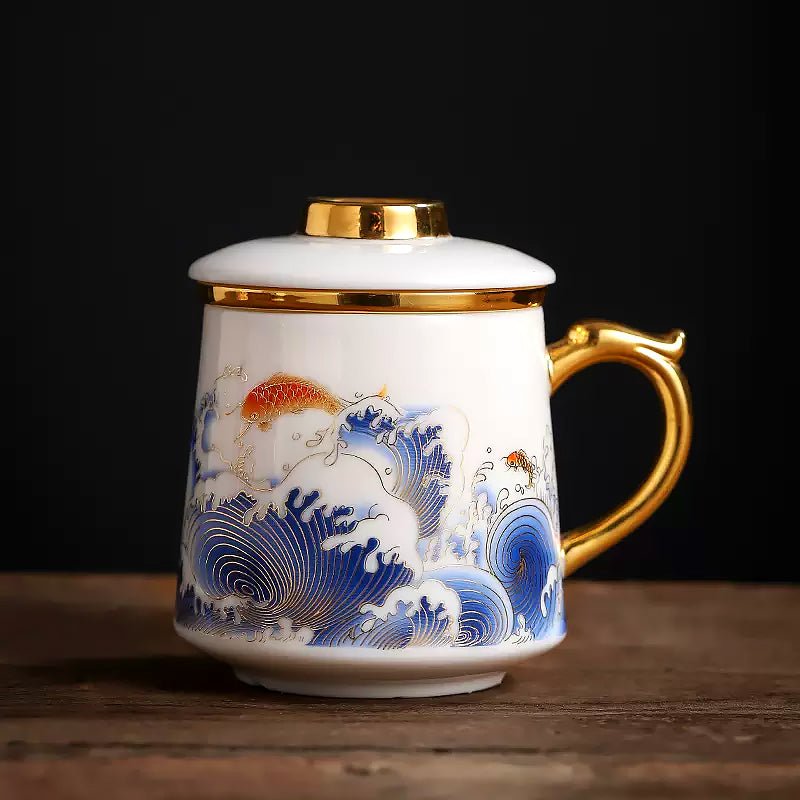
Fancy Coffee Mugs: What to Check Before You Buy
Fancy coffee mugs can feel polished without being impractical, but the details matter: material, handle comfort, rim finish, and care. Here’s how we help shoppers pick one that looks good and works...
Read more
Coffee Purse Buyers Guide: Materials, Size, and What to Check
A practical coffee purse guide for shoppers comparing materials, size, strap comfort, and print quality before buying. We cover the trade-offs, what holds up, and when a different bag style makes m...
Read more
Los kommentaar
This site is protected by hCaptcha and the hCaptcha Privacy Policy and Terms of Service apply.