
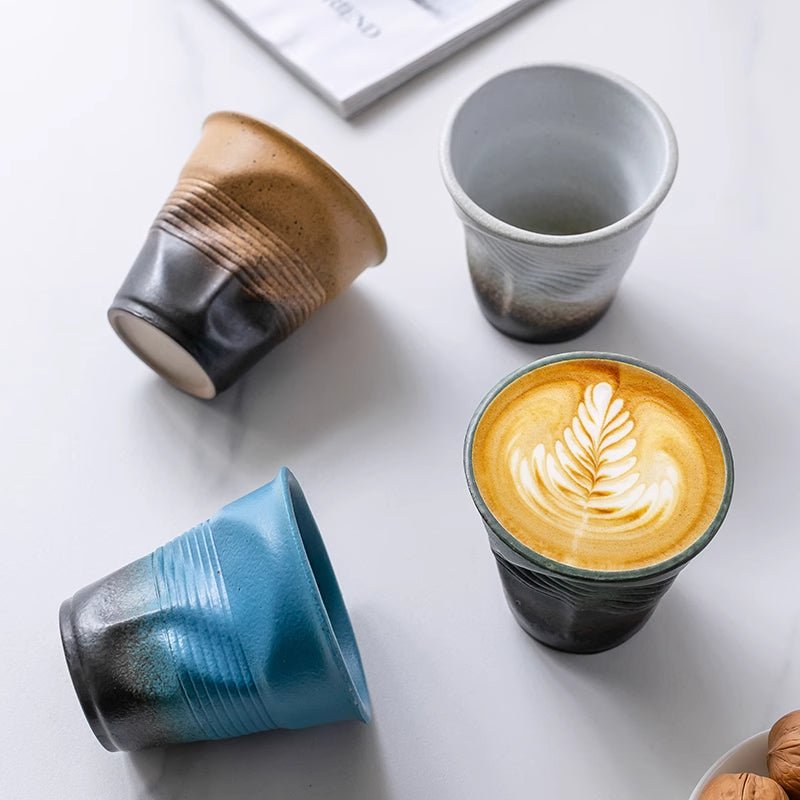
700ml Cup Buying Guide: Size, Materials, and Daily Use
Reading time: about 10 minutes
A cup that holds 700ml changes the rhythm of a desk, kitchen counter, or commute setup. You refill less often, but you also have to live with the trade-off: more weight in the hand, a larger footprint in the cupboard, and a drink that can cool faster if the cup is wide and left open. In our store, we see shoppers choose this size for long work sessions, iced coffee, tea, and shared hot drinks more often than for quick single-serve espresso moments.
If you are comparing options, the useful question is not just “is 700ml big?” It is “is this the right size for how I actually drink?” Below, we break down what a 700ml cup suits, what to check before buying, and where a smaller mug or a different style may be the better choice. If you want to browse our current drinkware range while you read, start with our products page or compare all styles in the collection.
What does a 700ml cup actually hold in daily use?
Seven hundred milliliters is a generous capacity. In practical terms, it is the kind of cup that can handle a large latte, a big pour of iced coffee with ice left over, a tea service that lasts a full meeting, or a broth-style drink without feeling cramped. For many buyers, the appeal is simple: fewer refills and less back-and-forth to the kettle or machine.
We have found that shoppers often compare this size against standard coffee mugs and realize that 700ml sits well above the everyday ceramic mug. It is not a petite breakfast cup. It is closer to a large tumbler-style vessel or a roomy oversized mug, depending on shape. The shape matters just as much as the stated capacity. A tall, narrower cup will feel different from a wide bowl-shaped one, even if both hold the same amount.
How the shape changes the experience
- Tall and narrow: better for keeping a drink warmer a little longer and easier to grip with one hand.
- Wide and open: better for toppings, iced drinks, and easy stirring, but heat escapes faster.
- Handled mug style: feels familiar on a kitchen table or office desk, but can take up more cabinet space.
That shape difference is one reason we recommend checking product photos closely, not just the volume number. Two 700ml cups can behave very differently in the hand.
Who is a 700ml cup best for?
This size works best for people who want a drink to last. Think long office days, home study sessions, work-from-home setups, or a slow weekend breakfast with one refill replaced by a single larger pour. It is also a practical choice for anyone who likes iced coffee, matcha over ice, or tea with extra milk or ice cubes.
In our experience, the buyers happiest with a 700ml cup usually fall into one of these groups:
- Desk drinkers: They want a cup that stays nearby and reduces interruptions.
- Iced coffee fans: They need room for ice, milk, and still want a proper serving.
- Tea drinkers: They prefer one large mug for a long session rather than a series of small cups.
- Gift buyers: They want a noticeable, useful item that feels more substantial than a standard mug.
There are also buyers for whom this size is not ideal. If you drink coffee quickly, prefer a lighter cup, or want something easy to store in a crowded cabinet, a smaller mug will likely be more comfortable. A large cup is also not the best choice for people who only want a short black coffee. The extra volume can feel unnecessary, and the drink may go lukewarm before you finish it.
Which material makes the most sense for a 700ml cup?
Material affects how the cup feels, how it cleans up, and how it behaves with heat. We handle drinkware every day, and the same lesson keeps coming up: the “best” material depends on how the cup will actually be used.
| Material | What it does well | Trade-off |
|---|---|---|
| Ceramic | Feels familiar, looks good on a table, and suits hot drinks and gift purchases. | Heavier, can chip if knocked against a sink or hard countertop. |
| Stainless steel | More durable for travel and desk use, often better for temperature retention. | Less classic in appearance; can show condensation on the outside if not insulated. |
| Glass | Lets you see iced drinks, layered coffee, or tea colour clearly. | More fragile and not ideal if you tend to move a cup around a busy workspace. |
For a home kitchen or gift, ceramic remains the most common choice because it feels substantial and looks clean on a shelf. For workbags, car use, or anything likely to move around, a more durable construction may be a better fit. If you are checking ceramic options specifically, our article Coffee Cup Mug Ceramic: What Buyers Should Check Before They Buy goes deeper into glaze, weight, and finish details.
Three concrete checks we suggest before buying any large cup:
- Wall thickness: thicker walls feel sturdier but can add weight.
- Base stability: a wider base helps prevent tipping, especially on office desks.
- Rim finish: a smooth, even rim makes a large cup more comfortable to drink from.
What should you check before buying a 700ml cup online?
Online photos can make a large cup look either tiny or enormous, so the details matter. We always advise shoppers to read the measurements, not just the volume. A 700ml cup can still feel awkward if the diameter is too wide for a cup holder, or if the handle is small relative to the body.
Here is the short checklist we use when we evaluate this category in our store:
- Actual dimensions: height, mouth width, and base width all affect daily use.
- Handle size: if your fingers are larger or you like a secure grip, the handle should feel comfortable, not decorative.
- Lid fit, if included: a loose lid defeats the point for desk use or commuting.
- Dishwasher guidance: some finishes can dull over repeated cycles, and printed designs may wear sooner than plain glaze.
- Microwave compatibility: especially relevant for ceramic cups, but metallic parts and some decorative elements may not be microwave-safe.
One thing to watch for is proportion. A 700ml cup that looks elegant in a product photo can still be too tall for a low shelf or too broad for a small dishwasher rack. That is not a defect; it is a size consideration. We prefer to be honest about it because it saves buyers from a return they could have avoided.
How do you care for a large cup so it lasts longer?
Care is straightforward, but large cups do better when you avoid rough handling. With ceramic pieces, the common failure modes we see are edge chips from sink contact, hairline cracks after thermal shock, and scuffing on printed or glazed surfaces from aggressive scrubbing. None of that is unusual. It is just what happens when a large, heavy cup gets daily use.
For long-term use, we recommend simple habits:
- Let very hot cups cool slightly before rinsing with cold water.
- Do not stack heavy mugs tightly if the rim is decorative or thin.
- Use a soft sponge for printed finishes and a non-abrasive cleaner for stubborn stains.
- Check the base occasionally for tiny chips before using it on delicate surfaces.
If you are buying a cup as a gift, this matters too. People notice when a mug feels easy to keep clean. They also notice when it is awkward to store. A large cup should feel useful on day one and still easy to live with after a month of dishwasher cycles.
Is a 700ml cup good for hot drinks, iced drinks, or both?
It can work for both, but not equally well in every shape. For hot drinks, a covered, narrower design usually performs better because it reduces heat loss and splashing. For iced drinks, a wider opening is often more practical because it gives you space for ice and milk without crowding the rim.
Here is how we would break it down in a real kitchen or office setting:
- Hot coffee or tea: choose a shape with some height and a comfortable handle.
- Iced coffee: choose a wider mouth so ice cubes fit without spilling during the pour.
- Milk-heavy drinks: look for a cup that leaves room to stir without sloshing over.
- Desk water bottle replacement: a 700ml cup can work, but a lidded tumbler may be better if you move around a lot.
A 700ml cup is not the best pick if you want true travel performance. If you need something sealed for a bag, the open mug format is the wrong tool. In that case, a travel tumbler with a secure lid will serve you better than a large open cup sitting on a desk.
How does a 700ml cup compare with smaller mugs for everyday use?
Smaller mugs usually win on comfort, speed, and storage. A 700ml cup wins on capacity and fewer refills. That is the core trade-off. We see a lot of shoppers start out looking for a bigger mug and then realize the best choice depends on their routine more than on the number printed in the listing.
If your day looks like this:
- one coffee in the morning,
- a long sit at the laptop,
- tea or water during meetings,
- and a preference for one container that stays with you,
then a 700ml cup is probably worth considering. If your day is more like quick drinks, limited shelf space, and frequent changes between hot and cold beverages, a smaller everyday mug may be the better fit. Our article Mugs Coffee: How to Choose the Right Cup for Daily Use is helpful if you are comparing daily-use sizes instead of just looking at capacity.
Our view after handling this category for everyday buyers: the right cup is the one you can comfortably use three times a day, not the one that looks biggest in the photo.
Frequently asked questions
Is a 700ml cup too big for daily coffee?
Not if you usually drink large lattes, iced coffee, or one long cup over a few hours. It can feel oversized for a quick black coffee or a small tea serving. If you want a cup that feels lighter in the hand, a smaller mug may be the better daily pick.
Can a 700ml cup go in the dishwasher?
Many can, but it depends on the material and finish. Ceramic cups often handle dishwasher use well, while printed designs, metallic accents, or specialty coatings may need gentler care. Always check the product details before putting it through repeated cycles.
What is the difference between a 700ml cup and a 700ml tumbler?
A cup is usually open and meant for casual home or desk use, while a tumbler is often designed with a lid and sometimes insulation. If you plan to move around with your drink, a tumbler is usually more practical. If the drink stays on a table or desk, a cup is the simpler choice.
Will a 700ml cup fit in a standard cup holder?
Usually not if it is a wide mug-style cup. Cup holders are often better suited to travel tumblers with narrower bases. Check the base diameter before buying if you need it for a car or stroller setup.
Is a 700ml cup a good gift?
Yes, especially for coffee or tea drinkers who enjoy bigger servings and useful homeware. It feels substantial without being niche. A clean ceramic finish tends to gift well because it suits most kitchens and desk setups.
Which 700ml cup should you choose next?
If you want the most practical result, compare these four points before adding one to your cart:
- Use case: desk, kitchen, gifting, or travel.
- Material: ceramic for a classic home feel, stainless steel for durability, glass for visual presentation.
- Shape: tall for heat retention, wide for iced drinks and easy stirring.
- Care: dishwasher-safe, microwave-safe, and easy to store without chips.
Then take one final look at the product photos and dimensions. That small step catches most disappointments before they happen. If you are ready to compare the current range, visit our all collection or start from the products page and filter by the style that matches how you actually drink.
Read more
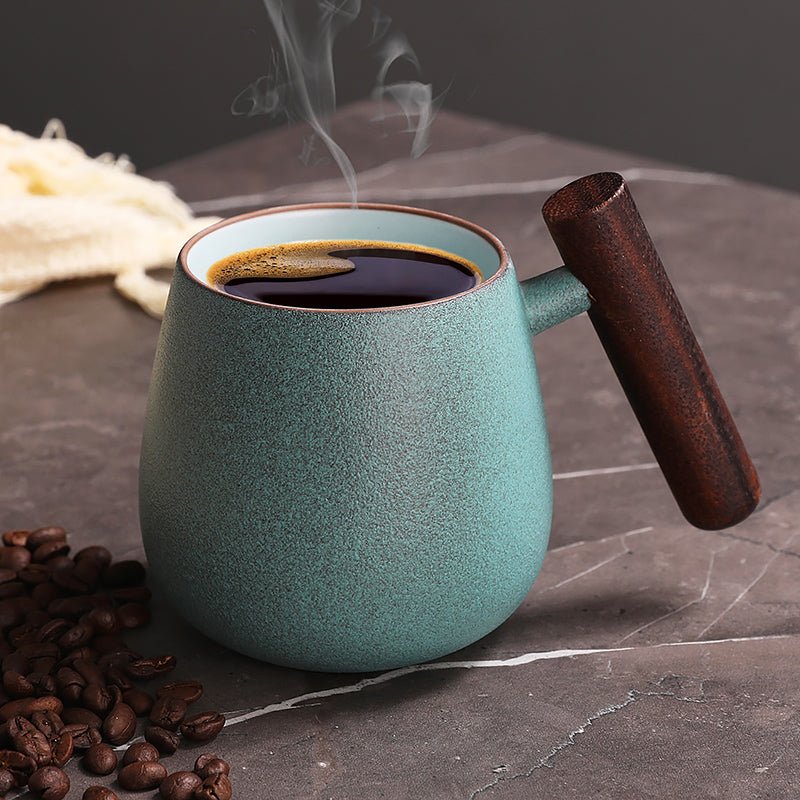
Insulated Coffee Travel Mug: What Buyers Should Check Before They Choose
A practical buyer’s guide to picking an insulated coffee travel mug that actually fits your commute, desk, and cleanup routine. We cover lid types, heat retention trade-offs, materials, and the det...
Read more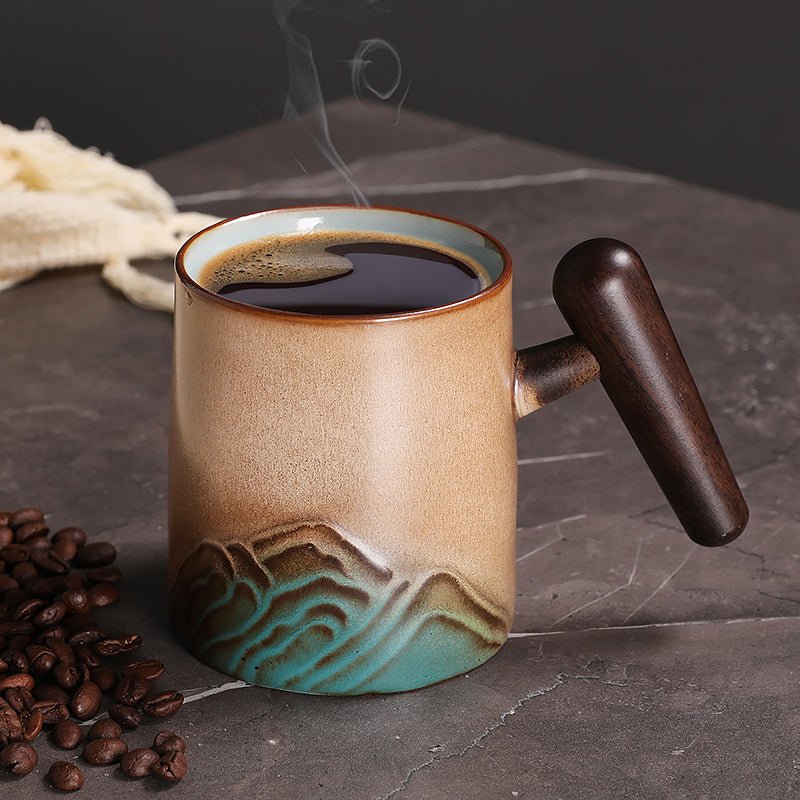
Large Mugs: How to Choose the Right Size, Material, and Shape
Large mugs solve a real problem: one cup that carries a full pour without constant refills or awkward overflow. Here we break down size, material, handle comfort, and everyday trade-offs so you can...
Read more
Los kommentaar
This site is protected by hCaptcha and the hCaptcha Privacy Policy and Terms of Service apply.