
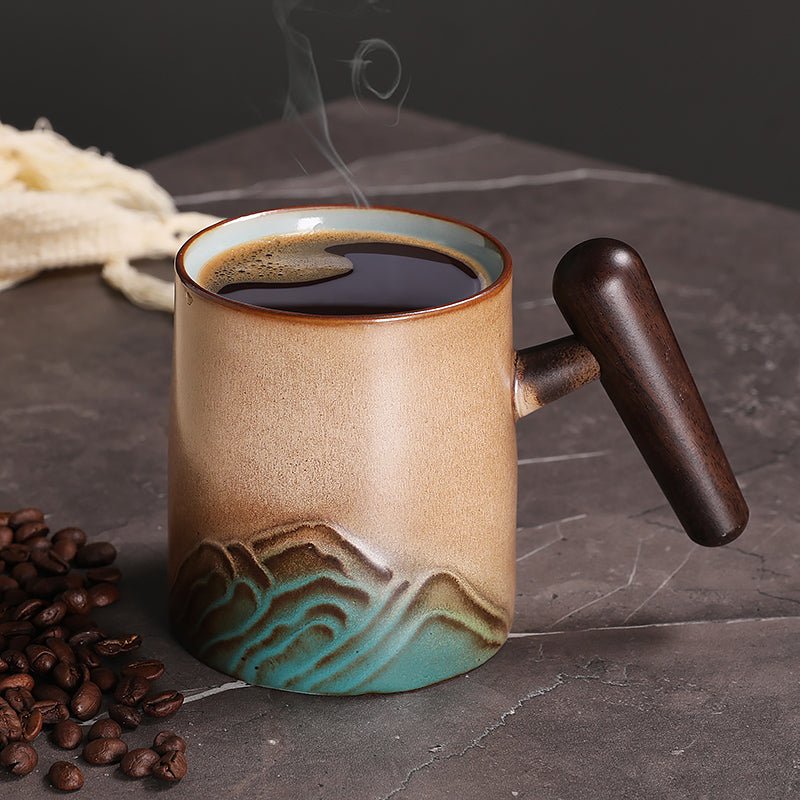
20 oz Coffee Mug: What to Check Before You Buy
Reading time: about 8 minutes
A 20 oz coffee mug solves a familiar desk problem: the first pour disappears too fast, and a smaller cup forces an extra trip before the morning is done. In our store, we see buyers choose this size when they want a real mug, not a travel tumbler, and enough capacity for a long pour-over, tea, or a milk-heavy latte.
If you are comparing options, our collection page is the fastest way to scan styles in one place. If you want a broader buying lens first, our guide to the best coffee mug covers the everyday details that matter most.
What problem does a 20 oz coffee mug actually solve?
This size is useful when a standard mug feels cramped. A 20 oz coffee mug gives you room for a larger pour, extra milk, or a drink that stays hot long enough to finish without reheating. It also keeps the ritual simple: one mug, one handle, one refill less.
We usually recommend it for people who:
- Drink coffee slowly at a desk and do not want to keep topping off.
- Like a bigger morning pour with room for cream or oat milk.
- Use the same mug for coffee, tea, broth, or cocoa.
- Prefer a mug that feels substantial in the hand.
It is not the best fit for every setup. If you drink espresso straight, want a lighter cup for one-handed use, or need something that seals for commuting, this is the wrong category. For that commute-first use case, our article on the best travel coffee mug is the better starting point.
Which materials and build details matter most?
Most 20 oz mugs people actually buy are ceramic or stoneware. Ceramic usually feels a little cleaner and lighter on the shelf, while stoneware tends to feel thicker, heavier, and more forgiving in daily use. Thin porcelain can look refined, but at this size it may feel less balanced if you prefer a mug with a fuller hand feel.
We pay attention to the details shoppers notice after the unboxing ends and real use begins: handle clearance, rim shape, wall thickness, and base stability. A good handle should give at least two fingers room without pinching. The rim should feel smooth against the lip, not sharp or uneven. A flat base matters because a tall, full mug sitting on a crowded kitchen counter should not wobble.
Common defect modes we look for include:
- Uneven glazing at the rim, which can feel rough after repeated use.
- Hairline cracks near the handle join, especially on heavier mugs.
- A slightly domed base that makes the mug rock on a flat surface.
- Decorative finishes that chip sooner on the edge if the mug is banged into a sink or dishwasher rack.
Real-world care matters too. If the mug is labeled dishwasher-safe, it still helps to keep it away from crowded racks where handles knock together. If it is microwave-safe, do not heat it empty. That is where many mugs develop stress over time, especially around the handle and base.
| Material | What it does well | Trade-off |
|---|---|---|
| Ceramic | Everyday balance, simple look, easy to match with other kitchenware | Can feel thinner and less insulating than heavier stoneware |
| Stoneware | Heavier feel, solid heat retention, sturdy desk presence | Bulkier in the hand and can take up more cabinet space |
| Porcelain | Cleaner profile, refined finish, lighter visual feel | At 20 oz, it can feel less substantial and may be more delicate |
| Stainless steel | Durability and heat retention for on-the-go use | Not the same drinking experience as a ceramic mug and usually not what buyers mean by a classic mug |
What should you check before you buy one?
We recommend buying a 20 oz coffee mug the same way we would pick one for our own kitchen: by function first, then finish. The mug has to feel right empty before it ever earns its place full of coffee.
- Measure the handle. Make sure it is comfortable for your hand size, not just attractive in product photos. A big mug with a tight handle gets annoying fast.
- Check the footprint. Many 20 oz mugs have a wider base than smaller mugs, which helps stability but may not fit under low cabinets or compact pod machines.
- Read the care instructions. If you plan to use the dishwasher every day, choose a finish that is built for it. If you hand wash, you can prioritize looks a little more.
- Look at the rim and interior glaze. A smooth rim makes daily use better, and a clean interior finish is easier to rinse when coffee oils build up.
- Think about your drink pattern. If you usually stop at one smaller cup, you may not need this size. If you routinely refill, the larger mug is doing real work.
For shoppers deciding between a large mug and an oversized novelty cup, our article on big mug coffee covers the practical side of size, balance, and daily comfort. That is the sort of comparison we wish more buyers had before ordering.
How does a 20 oz mug compare with smaller mugs and travel mugs?
The right answer depends on where you drink. A 12 oz or 14 oz mug is usually easier to store, lighter to lift, and better for people who do not want a lot of excess cup around the drink. A 20 oz coffee mug gives you more room, but that extra room brings weight and cabinet space with it.
Here is the practical trade-off we see most often:
| Option | Best for | Less ideal for |
|---|---|---|
| 12 to 14 oz mug | Smaller pours, lighter feel, compact kitchens | Large coffee drinks and long work sessions |
| 20 oz coffee mug | Big pours, milk-based drinks, desk use, fewer refills | Small cabinets, one-handed carry, travel |
| Travel mug | Commutes, car cupholders, spill control | Slow sipping at home and a classic mug feel |
If your main priority is drinking on the move, a mug is not the same tool as a travel vessel. We cover that difference in our guide to the best travel coffee mug. If your priority is a larger home mug but you still want a comfortable daily setup, this size is often the sweet spot.
When is a 20 oz coffee mug not the right choice?
We do not recommend this size just because it is larger. Bigger is not always better. A 20 oz coffee mug is a poor fit if you mostly drink espresso, if you keep your mug under very low kitchen cabinets, or if you want something that you can carry across the house with one hand while multitasking.
There are also a few lifestyle trade-offs to keep in mind:
- It can feel heavy when filled to the top, especially with stoneware.
- It takes longer to dry and more space to store than a smaller mug.
- Some people find a large open mug cools faster than they like if they sip slowly and leave it sitting.
- It is not the best pick for a bag, a car console, or any situation where spill control matters more than comfort.
If you want a mug for gifting, unboxing matters too. A large mug can look impressive, but the handle shape and finish need to feel good in the hand, not just photograph well. That is why we focus on real use, not just shelf appeal.
Our team has seen the same pattern across office desks, kitchen counters, and gift orders: people forgive a plain look faster than they forgive a bad handle or awkward weight. That is the practical line we use when we evaluate mugs for our own store.
Frequently asked questions
Is a 20 oz coffee mug too big for everyday use?
Not if you drink larger servings or want fewer refills. For many buyers, this size works well on a desk or at home because it holds a full pour with room for milk. If you prefer smaller cups, it can feel bulky.
What material is best for a 20 oz coffee mug?
Stoneware is a strong everyday choice because it feels solid and usually holds heat well. Ceramic is a good middle ground if you want something a little lighter. Porcelain can look refined, but at this size it may feel less sturdy in daily use.
Can I put a 20 oz coffee mug in the dishwasher and microwave?
Only if the mug is marked for those uses. Many are, but not all finishes and decorations are built for repeated dishwasher cycles or microwave heat. We always recommend checking the care instructions before you rely on either one.
What size handle should I look for?
Look for a handle that lets at least two fingers fit without scraping the mug body. On a large mug, handle comfort matters more than people expect because the mug gets heavier once it is full. A good handle should feel stable, not cramped.
Is a 20 oz coffee mug good for latte drinks?
Yes, especially if you like extra milk or foam and do not want the cup to feel crowded. It is less ideal for straight espresso drinks, where a smaller cup usually feels more appropriate. For milk-heavy coffee, the extra room is useful.
If you want to compare styles now, start with our products page and check the mug shape, handle comfort, and care instructions against this guide. If you prefer to scan everything in one place, the full collection is the fastest next step.
More from our blog
Read more
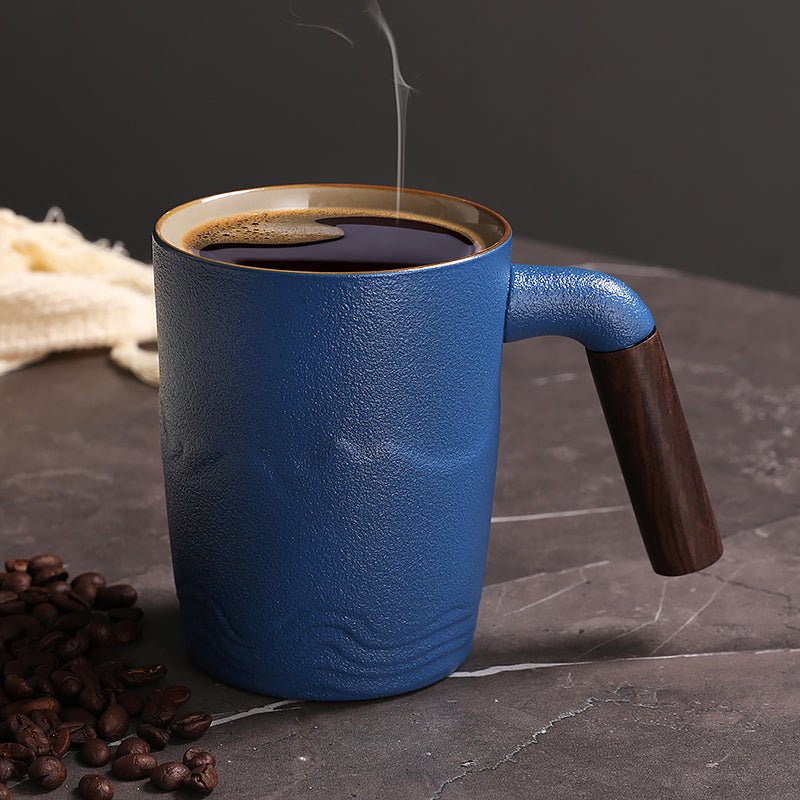
Ceramic Mug Buyers Overview: Which Shape Fits Your Daily Routine?
Compare ceramic mug shapes by how you actually drink, where the mug lives, and how it feels to give as a gift. Use our shape-by-routine guide to find the right fit faster.
Read more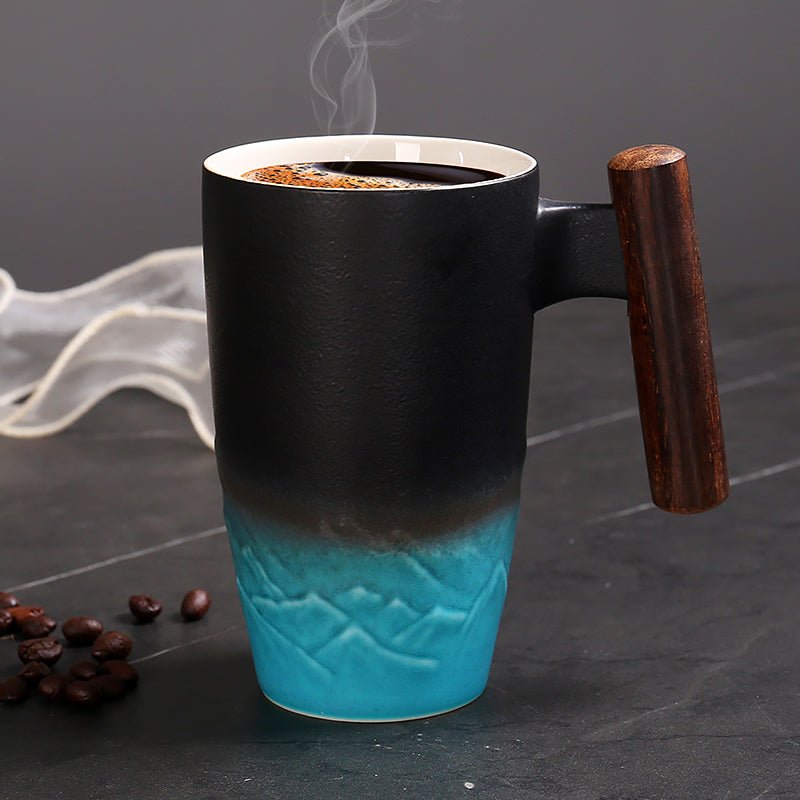
A buyer's guide to large capacity coffee mugs
A practical, buyer-focused guide with clear comparison points, care tips, and next steps.
Read more
Los kommentaar
This site is protected by hCaptcha and the hCaptcha Privacy Policy and Terms of Service apply.