
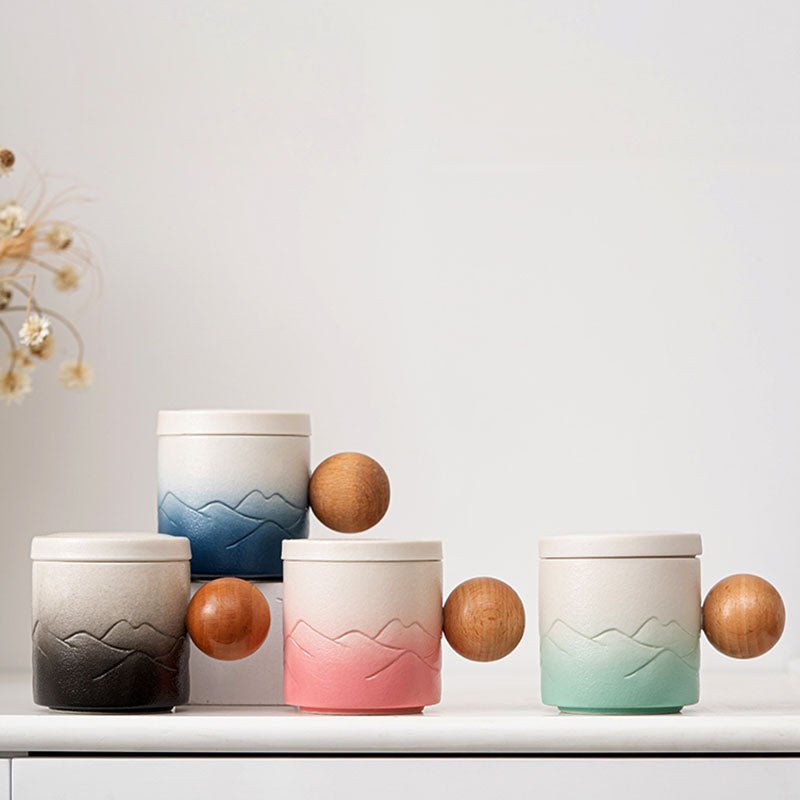
20 Ounce Ceramic Coffee Mug Buying Guide for Fit, Heat, and Daily Use
Reading time: about 9 minutes
A 20 ounce ceramic coffee mug looks simple on a product page. On a kitchen counter, though, the details show up fast: the handle either fits four fingers comfortably or it does not, the bowl either feels stable or top-heavy, and the rim either feels pleasant at first sip or awkward by the second refill.
We handle mugs for real daily use, so our advice is practical. If you want one mug for a larger coffee, tea, or cocoa pour, a 20 ounce ceramic coffee mug can be a very good fit. If you want something light enough for one-hand carrying around the house, or a cup that lives beside a compact espresso setup, this size may be more mug than you need.
For shoppers who want a starting point, our collection page is the fastest way to compare styles side by side: shop the full CoffeifyMug collection. If you already know you want a ceramic option in this size, compare the shapes we carry, including the Pleated Coffee Tea Cup, The Flow Coffee Tea Mug, and Mountain Sea Coffee Tea Mug.
What does a 20 ounce ceramic coffee mug actually fit?
A 20 ounce ceramic coffee mug is built for a larger serving than the standard everyday cup. It is a strong match for a full mug of drip coffee, a bigger tea pour, a latte with room for milk, or a cocoa serving that you do not want to top off twice.
That extra capacity changes how the mug feels in use. A 20 ounce body usually means a wider bowl, a taller profile, or both. That can be useful on a desk or breakfast table, but it also means more ceramic mass to lift, wash, and store. In our experience, the right buyer for this size usually wants one of three things:
- Fewer refills during a long work session.
- More room for milk, foam, whipped cream, or tea add-ins.
- A mug that feels substantial in the hand and looks balanced on a countertop.
If you usually drink a small black coffee, this size may be excessive. If you want a mug that doubles as a breakfast cup or office desk companion, it starts to make sense quickly.
How do shape and handle comfort change the buying decision?
Shape matters as much as capacity. Two ceramic mugs can both be labeled 20 ounces and still feel very different in daily use. One may have a straight-sided body and a compact handle; another may have a flared rim, a curved shoulder, or a more sculpted profile that changes balance.
Here is how we suggest thinking about it when you compare mugs like Pleated Coffee Tea Cup, The Flow Coffee Tea Mug, and Mountain Sea Coffee Tea Mug:
- Check handle clearance. A handle should leave enough room for your fingers without pinching the knuckles against the mug body.
- Look at the rim profile. A smoother, thinner lip usually feels better to drink from than a chunky edge.
- Watch the base width. A wider base tends to sit more securely on a desk or tray than a narrow, tall body.
- Consider the balance when full. A 20 ounce ceramic mug can feel heavier once it is filled, so the center of gravity matters more than it does on a small cup.
The best mug for you is not just the one with the most attractive glaze. It is the one that still feels comfortable when it is full, warm, and being moved one-handed from the kitchen to the couch.
What ceramic details should you check before buying?
For a category like this, the most useful details are often the small ones. Ceramic is not all the same, and a generic product page will not always tell you what matters for everyday use.
We recommend checking these specifics before you buy:
- Body thickness. Thicker ceramic usually feels sturdier and can help the mug feel less fragile in the hand, but it can also make the mug heavier.
- Glaze finish. A smooth glaze is easier to wipe clean after coffee, tea tannins, or cocoa residue. Matte finishes can look refined, but they sometimes show wear differently over time.
- Interior shape. A rounded interior is easier to rinse than a tight corner where grounds, tea leaves, or foam can gather.
- Base stability. A flat, even foot helps the mug sit better on a wood table, office desk, or tray without a wobble.
Those are the practical checks we use in our store mindset too. A beautiful mug that chips easily at the rim or feels clumsy at the base is not a good buy, especially for a daily-use item.
If you want a broader checklist before ordering, our related guide, 20 oz Ceramic Coffee Mug Buying Guide: Fit, Heat, and Care, goes deeper into the everyday trade-offs buyers ask us about most often.
Will a larger ceramic mug keep drinks hot longer?
Ceramic tends to hold heat differently than thin metal or plastic drinkware. A 20 ounce ceramic coffee mug usually gives you a warmer, more substantial drinking experience than a lightweight cup, but it is not a vacuum-insulated travel tumbler. That distinction matters.
For a home kitchen, ceramic is often the sweet spot. It does not add the metallic taste some buyers dislike in insulated bottles, and it looks right on a dining table or office desk. But if you need to keep coffee hot through a commute, long meetings, or several hours on the move, ceramic is not the best category. A travel mug or insulated tumbler is the better choice there.
There is also a practical trade-off with size. More liquid means more thermal mass, which can help a drink stay usable for longer, but a large mug can also take a little longer to cool to the ideal sipping temperature. For buyers who like to sip slowly, that can be useful. For buyers who want fast, hot-to-sip coffee, it may feel slow.
For desk use, a 20 ounce ceramic mug is often a better match than a travel tumbler because it feels stable, looks cleaner on the table, and is easier to refill at the kitchen counter.
How should you care for a 20 ounce ceramic coffee mug?
Care is where buyers get tripped up. A ceramic mug may look simple, but long-term condition depends on how it is used day after day. Coffee stains, tea tannins, and sudden temperature changes are the usual stress points.
Our practical care advice is straightforward:
- Rinse the mug soon after use if you do not plan to wash it right away.
- Use a soft sponge for the glaze and avoid harsh scrubbing on decorative surfaces.
- Let the mug cool before washing if it has held a very hot drink.
- Store it where the rim will not rub against other ceramic pieces.
That last point matters more than people think. Rim chips usually happen in crowded cabinets, drying racks, or dishwashers where mugs knock against each other. If you want a mug that keeps its best appearance, give it a little breathing room.
Some buyers also prefer a mug specifically for occasional use, like a weekend breakfast mug or a guest-service piece. If that sounds like you, the 20 ounce format can work well. If you want a rough-and-ready mug for constant abuse, commuting, or worksite use, ceramic may not be the right material.
For shoppers comparing size against other common formats, our related articles on smaller categories can help frame the trade-off, including 16 Ounce Coffee Mug Buying Guide for Size, Fit, and Daily Use and 12 Ounce Coffee Mug Buying Guide for Daily Use and Better Fit.
Which buyer is a 20 ounce ceramic coffee mug best for?
This size works best for someone who wants a full, comfortable mug and is willing to accept a little extra weight and cabinet space. In our experience, it is a strong choice for:
- Home coffee drinkers who pour once and sit down for a while.
- Office desk setups where a larger mug is more useful than a compact cup.
- Gift buyers who want something practical but still visually considered.
- Tea drinkers who prefer more water volume for loose-leaf or bagged brews.
It is not the right choice for every buyer. A 20 ounce ceramic coffee mug is usually a poor fit if you want something very light, if your cabinet space is tight, if you drink small portions, or if you need a mug for travel. It is also not ideal if you care most about portability or one-handed carry on the move.
If your priority is choosing the right shape rather than just the right size, our collection page is the easiest place to compare finishes and forms side by side: browse all CoffeifyMug pieces here.
What should you compare before adding one to cart?
Before you buy, compare the mug against how you actually drink, not against a generic product description. A good decision usually comes down to a short checklist.
- Capacity: Do you really want a full 20-ounce pour, or would a smaller mug feel better day to day?
- Handle comfort: Can you picture a full mug feeling secure in your hand?
- Table fit: Will the base sit well on your desk, tray, or kitchen shelf?
- Style: Do you want a sculpted look, a more classic mug profile, or something with visual texture?
- Use case: Is this for home, office, gift-giving, or occasional hosting?
If you want one page that keeps the comparison simple, start with the product styles we carry and compare them against your routine: Pleated Coffee Tea Cup, The Flow Coffee Tea Mug, and Mountain Sea Coffee Tea Mug.
For shoppers who are still deciding, our earlier article 20 oz Ceramic Coffee Mug: What to Check Before You Buy is a useful companion because it stays focused on the before-you-order questions that matter most.
Frequently asked questions
Is a 20 ounce ceramic coffee mug too big for daily coffee?
Not if you usually drink a larger pour, add milk, or want fewer refills. It can feel oversized for a small black coffee, especially if you prefer lighter mugs. For many home and office setups, though, it is a practical everyday size.
Are 20 ounce ceramic mugs good for tea and cocoa?
Yes. The extra capacity works well for tea drinkers who want room for water and steeping, and for cocoa with whipped cream or marshmallows. If you tend to sip slowly, the larger volume is useful, but it does take up more cabinet space than a standard cup.
What should I look at first: handle, shape, or glaze?
Start with handle comfort, then shape, then finish. A mug you do not enjoy holding will not get used much, no matter how good it looks. After that, check whether the glaze and body style fit the kitchen or desk where the mug will live.
Is ceramic a bad choice if I want something durable?
Ceramic is durable for normal home use, but it is not the best material for rough travel or frequent drops. It can chip if knocked against sinks, counters, or other mugs. If you need a mug for commuting, an insulated travel cup is usually the better option.
What is the best next step if I am comparing several styles?
Shortlist two or three shapes, compare handle feel and base stability, then look at the finish you actually want to live with. After that, open our full collection and narrow it down from there: shop the CoffeifyMug collection.
If you want the simplest route, compare the three mug styles above, then choose the one that feels best in hand and fits your cabinet space. That is the most reliable way to buy a 20 ounce ceramic coffee mug you will actually use every day.
Read more
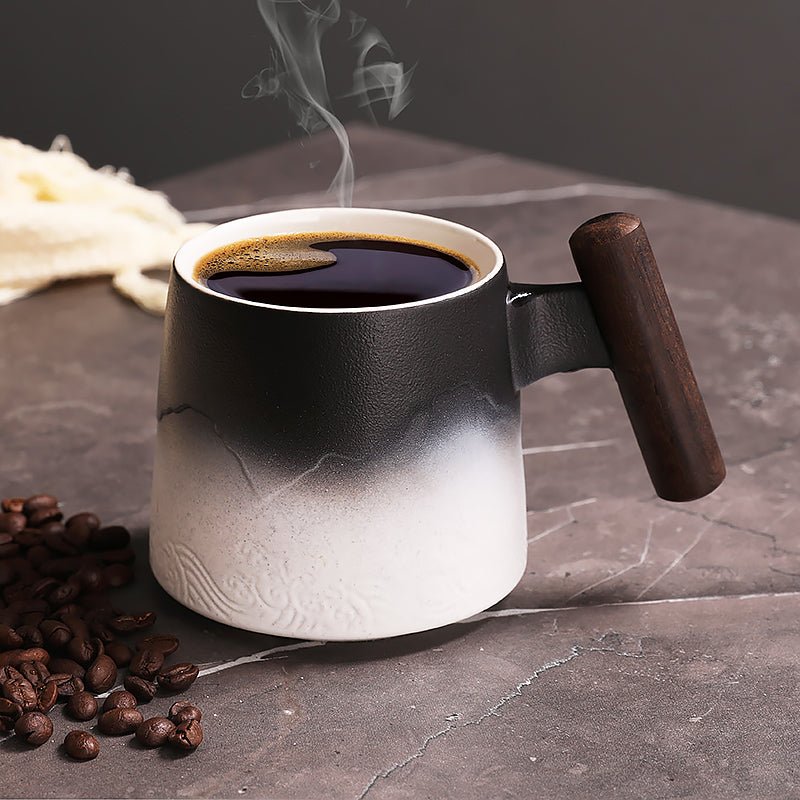
Purple Coffee Mugs: How to Choose the Right Shade, Size, and Finish
Purple coffee mugs can look rich and polished or muddy and cheap depending on glaze, shape, and size. Here’s how we help shoppers compare the options before they buy.
Read more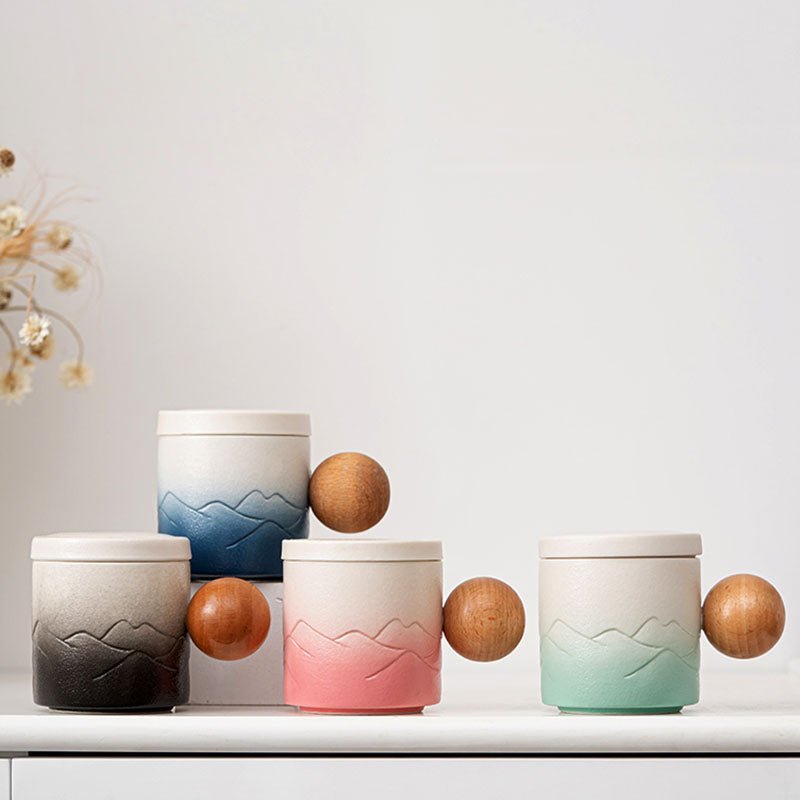
Mom Coffee Mugs: Practical Shapes, Gift Ideas, and What to Buy
We compare mom coffee mugs by shape, handle comfort, capacity, and cleanup so you can choose a mug that actually gets used. See which styles work best for desks, kitchen counters, and gift boxes.
Read more
Los kommentaar
This site is protected by hCaptcha and the hCaptcha Privacy Policy and Terms of Service apply.