
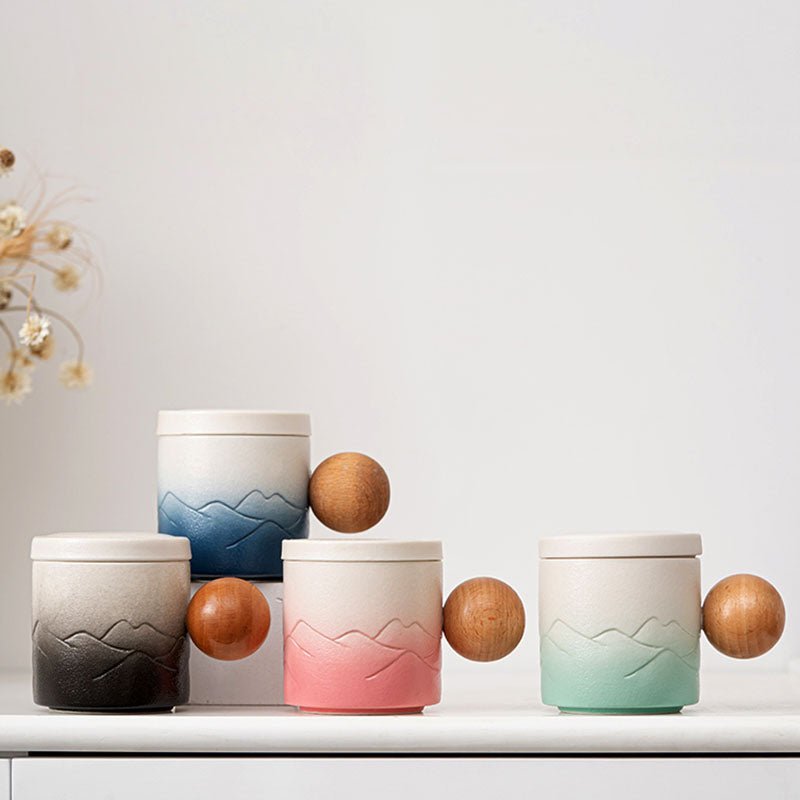
20 Ounce Ceramic Coffee Mug Buying Guide for Daily Use
Reading time: about 9 minutes
A full mug that still feels comfortable in the hand is the whole point of a 20 ounce ceramic coffee mug. The size solves a real problem: one refill is enough for a long desk stretch, a slow weekend pour, or a tea drinker who does not want to keep walking back to the kitchen.
We see the same buying mistakes over and over in our store. Shoppers focus on the number on the listing, then realize the cup is too wide for their cabinet shelf, too heavy for one-handed use, or too bulky for a laptop setup. That is why we look at more than capacity alone. Fit, wall thickness, rim shape, and handle comfort matter just as much as ounces.
If you want a place to compare current options, start with our full collection, then narrow down by shape and finish. For a specific example, the Pleated Coffee Tea Cup shows how a textured body can change the feel in hand without changing the basic job of the mug.
What does a 20 ounce ceramic coffee mug do better than a smaller mug?
Size is the main reason people move up to 20 ounces. It gives you more room for coffee, milk, foam, or tea without forcing a second pour. It also leaves space for add-ins like creamer or sugar, which can matter more than people expect once the cup is actually on the table.
In daily use, this size works well for:
- Long work sessions where you want fewer refills.
- Tea drinkers who brew loose leaf or bagged tea in a larger cup.
- People who like milk-heavy drinks and do not want the cup to feel full after the first splash.
- Gift buyers who want a mug that feels generous without moving into oversized novelty territory.
There is a trade-off. A 20 ounce ceramic coffee mug is not the best choice if you want a light, one-hand commuter cup or a small cabinet-friendly mug for tight shelves. Ceramic also holds heat well, but it is not insulated like a travel tumbler, so it will not keep a drink hot for hours on its own.
Who is this size actually best for?
This is the size for people who treat the mug as part of the routine, not just a vessel. We usually recommend it to shoppers who sit at a desk, sip slowly, or make one larger drink instead of several smaller ones.
It is a strong fit for these buyers:
- Home office users who want a mug that stays on the desk for the first part of the morning.
- Tea drinkers who use more water volume and prefer a broader cup.
- Gift buyers who want something practical enough to use every day.
- Shoppers who prefer ceramic feel over glass, metal, or insulated plastic.
It is not the best choice for everyone. If you want something that slips easily into a car cup holder, a ceramic mug is the wrong category. If you prefer a lighter mug with a smaller mouth, a 12 ounce or 16 ounce option may feel more controlled. We cover that trade-off in our 16 ounce coffee mug buying guide for size, fit, and daily use, which is a useful comparison point before you settle on the larger size.
What should you check before buying a 20 ounce ceramic coffee mug?
Not every large ceramic mug is pleasant to use. The difference usually shows up in the details that do not sound exciting on a product page.
| What to check | Why it matters | What we look for |
|---|---|---|
| Handle clearance | A cramped handle makes a heavy mug harder to lift safely. | Space for at least a comfortable three-finger grip. |
| Rim shape | A smoother rim makes sipping feel cleaner and less bulky. | A rounded drinking edge, not a sharp cut. |
| Base stability | Large mugs can wobble if the bottom is uneven. | A flat base that sits steady on a desk or counter. |
| Wall feel | Very thin walls can feel fragile; very thick walls can feel heavy. | A balanced ceramic body that feels solid without becoming clumsy. |
| Glaze finish | Finish affects look, grip, and how easily marks show up. | A smooth finish that cleans easily and does not feel slippery. |
We also inspect for the kinds of flaws shoppers only notice after unboxing: tiny glaze pinholes, rough spots on the lip, handle joins that feel abrupt, or a slightly uneven foot ring. Those issues do not always make a mug unusable, but they do change how premium it feels in hand.
For a more detailed buying checklist, our article Ceramic 20 oz Coffee Mug: What Buyers Should Check Before Buying goes deeper into the practical checks we use before we recommend a mug to a customer.
Which mug style fits your routine best?
Shape matters almost as much as capacity. Two mugs can both hold 20 ounces and still feel very different at the table.
Here are the differences we pay attention to in our store:
- Textured or pleated bodies give more visual interest and can improve grip, especially if your hands are often warm from the drink.
- Cleaner, simpler silhouettes fit a more minimal kitchen and are easier to stack visually with other ceramics.
- Heavier ceramic bodies feel substantial but can be tiring if you carry the mug around the house.
- Broader bowls are better for tea and latte-style drinks, while narrower profiles often feel more contained for black coffee.
The The Flow Coffee Tea Mug is a good example of a shape that reads as calm and easygoing rather than overly decorative. The Mountain Sea Coffee Tea Mug leans more expressive, which can matter if the mug is also part of the table setting or a gift presentation.
If you are comparing styles side by side, our guide 20 oz Ceramic Coffee Mug: Fit, Heat, and Everyday Use is a useful companion piece because it focuses on the daily-use side of the decision, not just appearance.
How should you care for a ceramic mug this size?
Ceramic is practical, but it is not indestructible. A 20 ounce mug carries more drink and therefore more weight, so the care routine matters a little more than it does on a small cup.
Our store advice is straightforward:
- Rinse it soon after use if you are drinking tea or dark coffee. Staining is easier to prevent than remove.
- Do not set a hot mug on a very cold or wet surface right away if you want to reduce thermal shock risk.
- Watch the rim and handle during washing. Those are the two places most likely to chip if a mug knocks against a sink or another cup.
- If a decorative finish is involved, check the product notes before using a dishwasher or microwave. Decorative ceramic mugs can vary more than plain white diner-style cups.
Common wear points are predictable. Hairline cracks can appear if a mug takes repeated temperature swings. Chips usually start at the rim or the foot. A handle can loosen over time if the mug is dropped onto a hard surface, even if the damage is not obvious right away.
That is why we tell shoppers to think about where the mug will live. A kitchen counter mug that gets hand-washed carefully is different from an office mug that spends half the day on a desk and gets bumped by notebooks, chargers, and keys.
Which option should you choose if you are buying as a gift?
Gift buying changes the priorities. A mug has to look good on opening, but it also has to be easy to use after the ribbon comes off.
We usually suggest thinking in this order:
- First, choose the shape. A mug with a distinct profile feels more intentional than a generic cylinder.
- Second, choose the finish. Matte, glossy, textured, or illustrated surfaces send very different signals.
- Third, think about the drinker. Someone who drinks tea all day may appreciate a roomier cup more than a strict espresso drinker.
If you want a gift that feels a little more designed, the Mountain Sea Coffee Tea Mug is worth a look because the visual character does some of the work for you. If you want something more understated and everyday-friendly, the Pleated Coffee Tea Cup is easier to picture on a real kitchen shelf instead of only in a styled photo.
For shoppers who still want broader comparison before choosing a gift, our article 20 oz Ceramic Coffee Mug Buying Guide: Fit, Heat, and Care is the most complete overview of the category on our site.
What is the honest downside of a 20 ounce ceramic coffee mug?
The honest downside is that bigger is not always better. A larger ceramic mug takes more cabinet space, weighs more when filled, and cools faster than insulated drinkware if you leave it sitting too long. That matters to people who sip slowly over an hour or who move between rooms.
It is also not ideal for very small hands, especially if the handle is compact or the mug has a thick body. If your priority is portability, a ceramic mug is the wrong answer altogether. If your priority is heat retention on the move, an insulated tumbler is a better category.
That trade-off is why we like to be direct. A 20 ounce ceramic coffee mug is best when the drink stays near the kitchen, desk, or sofa. It is less useful for travel, active commutes, or situations where spills are likely.
Frequently asked questions
Is a 20 ounce ceramic coffee mug too big for everyday coffee?
Not if you actually drink close to that amount or like room for milk and cream. For straight black coffee, some buyers will find it larger than they need. The best fit depends on how full you like the cup to feel during normal use.
Can I use a 20 ounce ceramic coffee mug for tea and hot chocolate?
Yes, and many shoppers prefer this size for both. Tea leaves, tea bags, and cocoa all benefit from the extra space. It is especially useful if you add milk, foam, or toppings.
What kind of handle is most comfortable on a large ceramic mug?
A handle with enough clearance for three fingers is usually the safest bet. If the opening is too tight, the mug feels heavier than it needs to. We also look for a handle that joins the body smoothly instead of one with a sharp edge at the seam.
Do ceramic mugs chip easily?
They can chip if they hit a sink, countertop, or another mug with force. The rim and base are the most common weak points. Careful washing and storage help a lot, but ceramic is still a breakable material.
What should I compare before ordering one online?
Check capacity, shape, handle size, finish, and care instructions before you order. Product photos help, but the written details tell you more about how the mug will behave in real use. If you are comparing styles, our full collection makes it easier to narrow down a shape that fits your routine.
If you are deciding between styles now, use this quick checklist: choose the shape you will actually hold every day, confirm the handle looks comfortable, check the care notes, and compare the mug against where it will live on your counter or desk. Then browse the full collection and pick the one that fits your routine instead of just the photo.
Read more
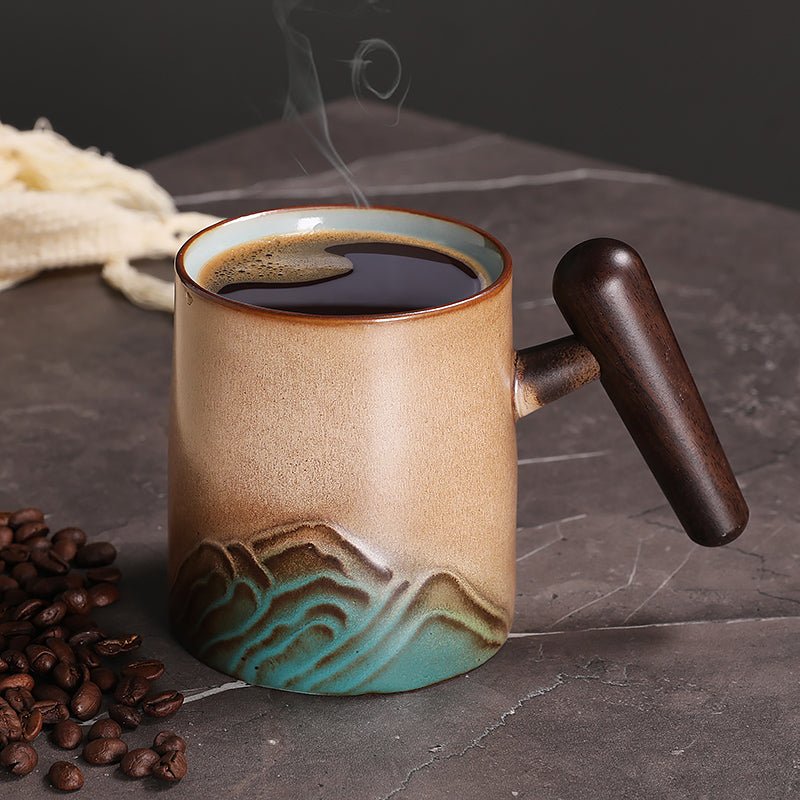
Father's Day Coffee Mug Guide for Dads Who Actually Use It
A practical guide to choosing a father’s day coffee mug that gets used on real kitchen counters and office desks, not just unboxed once. We compare style, comfort, care, and the trade-offs that mat...
Read more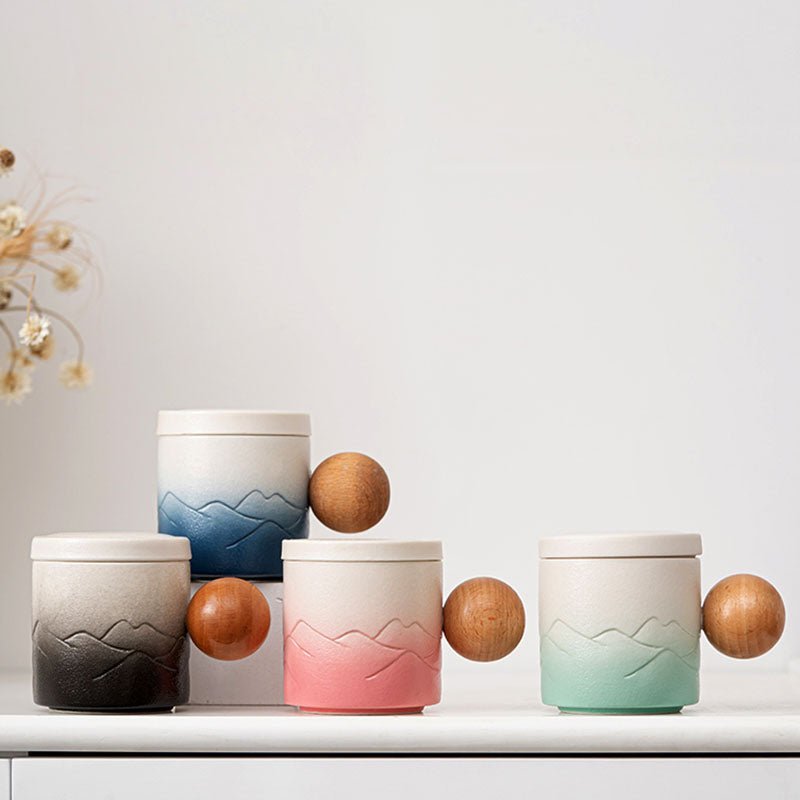
Coffee Mugs for Fall: What to Buy for Daily Use and Gifting
A practical guide to coffee mugs for fall, with real buying trade-offs for size, shape, desk use, and gifting. Compare tall mugs, seasonal styles, and what we recommend before you buy.
Read more
Los kommentaar
This site is protected by hCaptcha and the hCaptcha Privacy Policy and Terms of Service apply.