
20 0z Coffee Mugs: What to Check Before You Buy
Reading time: about 9 minutes
A 20-ounce mug looks generous on paper, but on a crowded desk it can be the difference between one steady cup and a spill-prone oversized cup you never reach for twice. We see that a lot in our store: shoppers want the larger capacity, then realize the handle feel, wall thickness, and lip shape matter just as much as the number on the listing.
If you are comparing 20 0z coffee mugs, start with the way you actually drink. Do you pour a full mug and walk back to your keyboard? Do you add milk or cream? Do you like tea, broth, or oversized iced coffee with room for ice? Those details decide whether 20 ounces is comfortably practical or just unnecessary bulk.
For shoppers who want to browse the broader range first, our all mugs collection is the fastest way to compare styles side by side before narrowing down to one shape.
What does a 20 oz mug change in daily use?
The biggest difference is not just capacity. It is how the mug behaves on a counter, in a hand, and at the last sip. A 20-ounce mug usually gives you more room for cream, foam, or a second pour, which is useful for people who drink slowly or make one large cup in the morning.
That extra volume can also be a drawback. A fuller mug gets heavier faster, especially if the body is thick ceramic or stoneware. If you like to carry your coffee from kitchen to office desk, the weight and balance matter more than they do in a smaller 12-ounce cup.
- Good fit for: drip coffee drinkers, tea drinkers, people who add milk or flavored creamer, and anyone who wants fewer refills.
- Not ideal for: espresso-only routines, tiny cabinets, or commuters who need a travel lid and cup-holder-friendly shape.
- Practical benefit: the extra headroom helps reduce sloshing if you pour close to the brim, though a mug is still not a spill-proof vessel.
We find that buyers are usually happier with 20 ounces when they want one mug for desk use and home use. If they are after a lightweight everyday cup for small pours, a smaller size is often the cleaner choice.
Which material should you choose for heat, weight, and cleanup?
Material is where a lot of buyers make the wrong assumption. Two mugs can both be labeled ceramic and still feel very different in the hand. The body thickness, glaze, and firing style affect heat retention, weight, and how the rim feels when you drink.
| Material | How it feels | Best for | Trade-off |
|---|---|---|---|
| Ceramic | Balanced weight, familiar feel, easy to live with | Everyday coffee and tea | Can chip if knocked against a sink or hard counter |
| Stoneware | Heavier, more substantial, usually better at holding heat | People who like a sturdy mug and a warm drink that lingers | Can feel bulky if you prefer a lighter cup |
| Porcelain | Thinner, lighter, often more refined at the rim | Drinkers who care about a cleaner sip and a lighter hand feel | Can feel too delicate if you want a robust desk mug |
In our experience, the most common complaint with large mugs is not the capacity. It is a mug that feels top-heavy, gets hot on the outside, or has a lip that feels awkward after a few sips. A good 20-ounce mug should feel stable on a table and comfortable enough to hold without shifting your grip every minute.
If you want a deeper breakdown of fit and build quality, our guide to 20 oz Coffee Mugs: How to Choose the Right Size, Material, and Fit walks through the common decisions shoppers make before ordering.
What shape details matter most before you buy?
Shape changes the whole experience. A wide mug can feel open and easy to clean, but it may lose heat faster. A taller mug can keep coffee warmer a little longer, but it may feel less stable if the base is narrow. Handle space matters too, especially if you have larger hands or prefer a two-finger grip instead of squeezing through the opening.
- Rim shape: a smoother rolled rim usually feels better than a sharp edge, especially on a mug you use every morning.
- Handle clearance: make sure your fingers fit without rubbing the mug wall. A handle that looks large in photos can still feel tight in person.
- Base width: a wider base is generally more stable on a desk, while a narrow base can feel tippy if the mug is tall and full.
- Wall thickness: thicker walls tend to feel sturdier and can hold heat longer, but they add weight.
- Interior glaze: a smooth glaze helps with cleanup and makes coffee oils easier to rinse away.
This is where a 20-ounce mug can go wrong for some buyers. If the body is oversized but the handle is small, the mug feels awkward before the first refill. If the mug is beautifully shaped but the opening is too narrow for a sponge, it becomes annoying after a week of use.
We usually tell shoppers to picture the mug on a real countertop, not in a product photo. If it will sit beside a laptop, a kettle, or a French press, the balance and handle fit matter as much as the design.
Which mugs in our store fit different buying needs?
We keep the selection focused because most buyers do not need ten nearly identical mugs. They need one that matches how they drink and how they want it to look on the shelf or desk. If you want to compare styles quickly, start with the shape you actually prefer, then choose the artwork or finish.
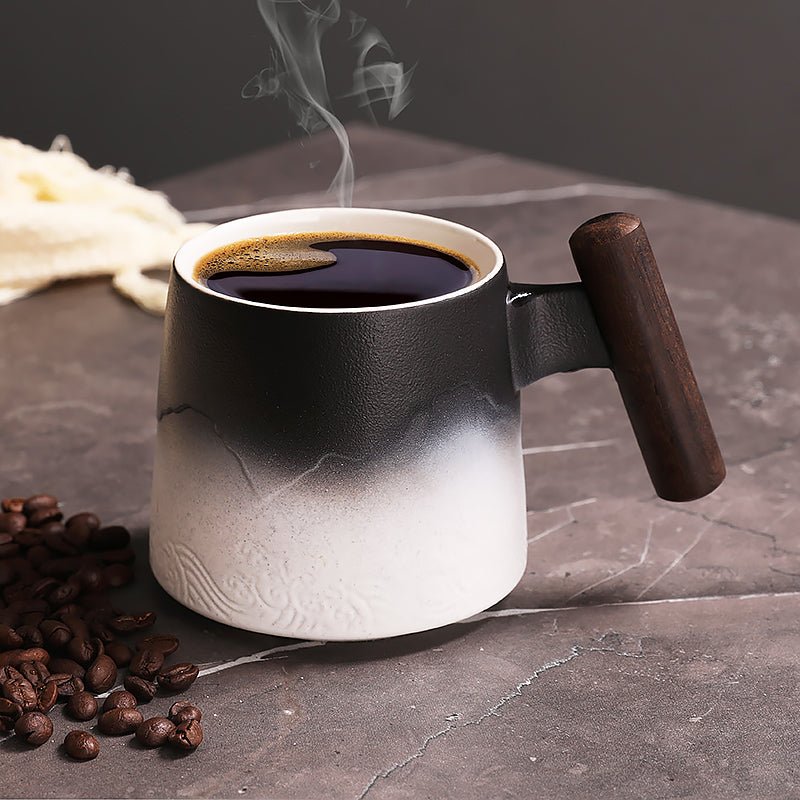
Landscape Coffee Tea Mug works well for shoppers who want a calmer, more visual mug with a classic everyday feel. It suits a home kitchen, a reading nook, or a desk setup where the mug is part of the scene rather than just a utility item.
The Gradient Coffee Tea Mug is a strong pick if you want something a little more modern-looking without moving into flashy design. It is the kind of mug that works for gifting because it feels intentional without being overly specific.
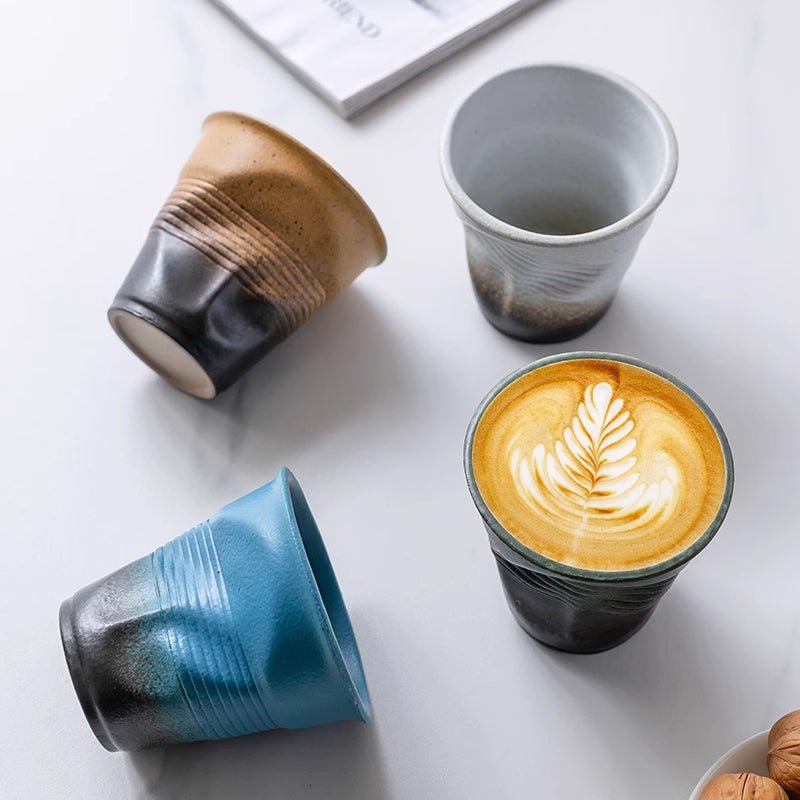
Retro Coffee Tea Cup is for buyers who like a nostalgic profile and a mug that feels familiar in the hand. Retro shapes can be great for daily coffee, but they are not always the best choice if you want the lightest possible cup or the largest open mouth.
If you are still deciding between build, size, and comfort, our article 20 Ounce Coffee Mugs: Fit, Shape, and Buying Guide covers the practical checks we would make before adding one to cart.
We also point buyers to the style-led pieces first because that is usually where satisfaction comes from. A mug you enjoy looking at is more likely to stay in rotation, and that matters more than a spec sheet that looks perfect but feels wrong at the sink.
How should you care for a 20 oz mug so it lasts?
Large mugs take more abuse than people expect. They get filled to the brim, carried while still hot, and set down quickly on hard counters. The most common wear we see is not dramatic damage. It is small chips at the rim, glaze scuffs near the base, and hairline marks from repeated contact in a crowded dishwasher rack.
For glazed ceramic mugs, a simple care routine goes a long way:
- Rinse coffee and tea stains before they sit for hours.
- Use a soft sponge or cloth instead of abrasive scrubbers on decorated surfaces.
- Leave space in the dishwasher so mugs do not knock into other items during the cycle.
- Check the handle and rim after shipping, especially if the mug is meant as a gift.
We would not recommend a large ceramic mug for rough daily travel. It is not the right tool for a car cup holder, a packed backpack, or any situation where the mug gets tossed around. A travel mug is the better category there. A 20-ounce ceramic mug is a countertop mug, a desk mug, or a slow morning mug.
If a buyer wants a mug that can live in the kitchen and still feel presentable on a video call, that is where this size shines. If they want something for moving between meetings, it becomes the wrong product quickly.
How does 20 oz compare with 12 oz and 16 oz mugs?
Size comparisons are useful because the right choice is often one step smaller or one step larger than the first mug someone considers. A 12-ounce mug is usually enough for standard coffee servings. A 16-ounce mug is a common middle ground. A 20-ounce mug gives you room to stretch without constantly topping off.
| Size | Typical use | What buyers notice | Best choice if... |
|---|---|---|---|
| 12 oz | Standard coffee or tea | Lighter, quicker to finish, easier to store | You want a classic daily cup without excess volume |
| 16 oz | Medium-large mug for regular pours | Balanced size for most desks and kitchens | You want flexibility without going oversized |
| 20 oz | Large coffee, milk drinks, tea, or long drinking sessions | More room, more weight, more presence on the counter | You want fewer refills and do not mind a larger mug in hand |
If you are comparing sizes because you are worried about heat loss, shape matters as much as volume. A wide 20-ounce mug can cool faster than a narrower 16-ounce mug with thicker walls. That is why size-only shopping can miss the point. The practical feel comes from the whole build.
For shoppers who want one more layer of checking before they buy, our post on 20 Ounce Coffee Mugs: What Buyers Should Check Before Ordering is a good final pass before deciding.
Frequently asked questions
Are 20 0z coffee mugs too big for everyday use?
Not for everyone. They work well if you drink a large morning coffee, add milk or creamer, or like to sit with one mug for a while. If you usually drink a small pour and finish it fast, a 12 oz or 16 oz mug may feel more comfortable.
Will a 20 oz mug fit under my coffee maker?
Sometimes, but not always. Many drip machines and single-serve brewers leave enough room for a standard mug, but taller 20-ounce mugs can be too high for the brew head. Check the clearance under your machine before ordering if you plan to brew directly into the mug.
Is ceramic or stoneware better for a 20 oz mug?
Both can work well. Ceramic usually feels more familiar and can be a little lighter, while stoneware tends to feel heavier and more substantial. If you want a mug that feels sturdy on a desk, stoneware can be a better match. If you want a lighter daily cup, ceramic is often easier to live with.
What should I check before buying a 20 oz mug online?
Check the handle opening, the rim shape, the base width, and the care instructions. If a listing does not tell you whether the mug is microwave- or dishwasher-safe, assume nothing and look for that detail before buying. We also recommend checking whether the mug is meant for coffee, tea, or both, because some shapes are better for one than the other.
Are 20 oz mugs good gift ideas?
Yes, if the recipient actually uses larger mugs. They are practical gifts for home offices, coffee drinkers who add milk, and tea drinkers who prefer a larger serving. They are not a great gift for someone who likes small cups, minimalist cabinets, or travel drinkware.
If you want the shortest path to a good choice, compare the handle feel, wall thickness, and base stability first, then pick the style that fits the room it will live in. From there, browse our full mug collection or jump straight to the Landscape Coffee Tea Mug, The Gradient Coffee Tea Mug, and Retro Coffee Tea Cup to compare the options that best match your routine.
Read more
Fancy Cups That Still Work for Everyday Coffee and Tea
Fancy cups should do more than sit pretty on a shelf. We break down what actually matters for daily use, gifting, and display so you can pick one that looks refined without becoming fragile or anno...
Read more
Ozark Trail Coffee Mug Buying Guide: Fit, Lid, and Daily Use
A practical look at what to check on an Ozark Trail coffee mug, from handle feel and lid fit to cleanup, plus the desk-friendly alternatives we stock.
Read more
Los kommentaar
This site is protected by hCaptcha and the hCaptcha Privacy Policy and Terms of Service apply.